By Galvin Lee Kuan Sian
PRIME Minister Datuk Seri Anwar Ibrahim’s New Year message included an announcement that every Malaysian aged 18 and above will receive RM100 in cash under Sumbangan Asas Rahmah (SARA).
The payment is expected to reach about 22 million adults. In the short term, it is meant to cushion households facing cost-of-living pressures, especially as festive seasons often push up spending on food, transport and other daily needs.
In an economy marked by inflationary strain and wages that have not kept pace, RM100 can help with basics. For some, it may cover groceries for a few days, school items, fuel, or small but urgent bills. As immediate relief, the measure is easy to understand and fast to deliver.
Yet a bigger policy question sits behind the announcement: is this a one-off transaction, or can it be shaped into something that builds lasting financial capability?
A fixed RM100 payment, on its own, is unlikely to shift long-term resilience. Temporary cash support can reduce stress, but it does not automatically strengthen earning power, employability, or household financial security.
There is also the issue of universality. While broad-based payments are politically attractive and administratively simple, they weaken targeting. High-income recipients receive the same amount as low-income recipients, which can dilute the support available to those who need it most. Over time, repeated wide distribution can add fiscal pressure while producing only modest social impact per ringgit spent.
Cash transfers do not have to be scrapped, but they can be reimagined. The government could use programmes like SARA to signal a parallel commitment to capability building, not just consumption support.
One option is to make part of future aid convertible—on an optional basis—into approved courses, vocational certificates, or entrepreneurship toolkits. Recipients who choose this route could turn short-term relief into a pathway towards better skills and more stable work, without forcing those in immediate hardship to delay spending on essentials.
Alongside disbursement notifications, beneficiaries could also receive clear links to practical support: simple budgeting tools, micro-investment options with appropriate consumer protection, and details on upskilling routes offered through Malaysia Digital Economy Corporation (MDEC), Human Resource Development Corporation (HRD Corp), and community colleges. Even basic signposting matters, especially for young workers and informal sector earners who may not know what support exists or how to access it.
Done well, these links would shift aid from a one-way payout into a catalyst for engagement with the formal economy – skills systems, training providers, job matching, and legitimate business support.
Measurement should also evolve. Beyond distribution speed and error rates, the government could track outcomes: how the funds are used, whether short-term spending improves welfare indicators, and whether complementary programmes actually reach intended groups. This can be done through surveys, anonymised data matching, and regular public reporting that protects privacy while still showing whether the policy is working.
Greater transparency would strengthen future budget decisions and allow targeting to be refined in a constructive way. It would also help answer a basic question taxpayers will ask: what changes after the money is spent?
The central weakness today is the lack of a built-in bridge between immediate relief and longer-term advancement. In a country where wealth gaps remain wide and youth unemployment stays stubbornly high, fiscal tools should do more than calm pressures. They should help people move forward.
Budget 2026 rightly places people at the centre of economic recovery, signalling that the government is listening. But the RM100 announcement also underlines a missed chance to pivot from relief to resilience.
The difference between a transfer and a transformation is what follows the payment: whether it remains a brief respite, or becomes the first step towards a more skilled, more secure society.
Malaysia has shown it can distribute money efficiently. The next test is whether it can distribute opportunity with the same zeal—so that shared prosperity moves beyond the wallet and into everyday capability.
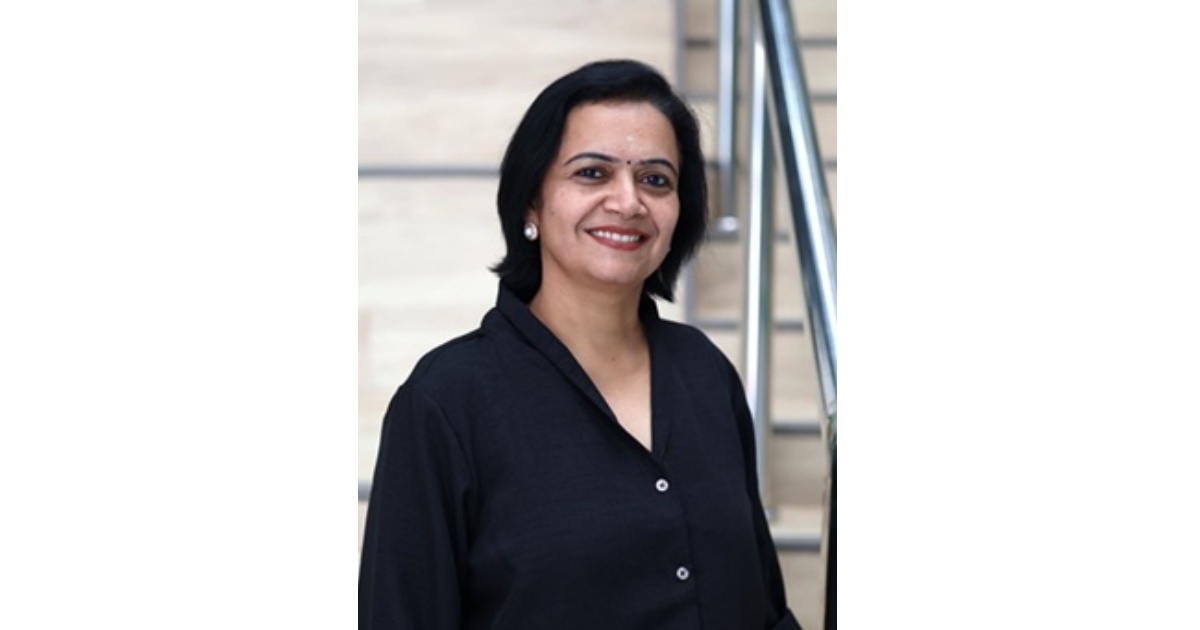
● Galvin Lee Kuan Sian serves as Lecturer & Programme Coordinator for the Diploma in Business programme at the School of Diploma & Professional Studies, Taylor’s College.
The views expressed here are those of the writer and do not necessarily represent the views of Sarawak Tribune.