As the festive season nears, Tan Tee Khim is busier than ever, with demand for her six types of Chinese tea climbing to double the usual rate.
The 53-year-old owner of Do Re Me Tea House said the traditional beverages most in demand are black, oolong, red, yellow, white and green teas, each valued for its distinct aroma and flavour.
Tan, who runs the business with her 54-year-old husband, Lau Ooi Teck, explained that their tea supplies are sourced from several trusted suppliers in Penang and Kuala Lumpur.
“Initially, I only prepared these traditional drinks as a hobby and part of my daily routine, but my passion for Chinese tea eventually inspired me to expand production, turning it into a rewarding source of supplementary income for my family.
“Demand began to rise at the end of last month, reaching nearly 100 kilogrammes as customers started making preparations for the upcoming Chinese New Year,” she told Bernama when met at Taman Sri Mulong, Wakaf Bharu, in Tumpat, Kelantan recently.
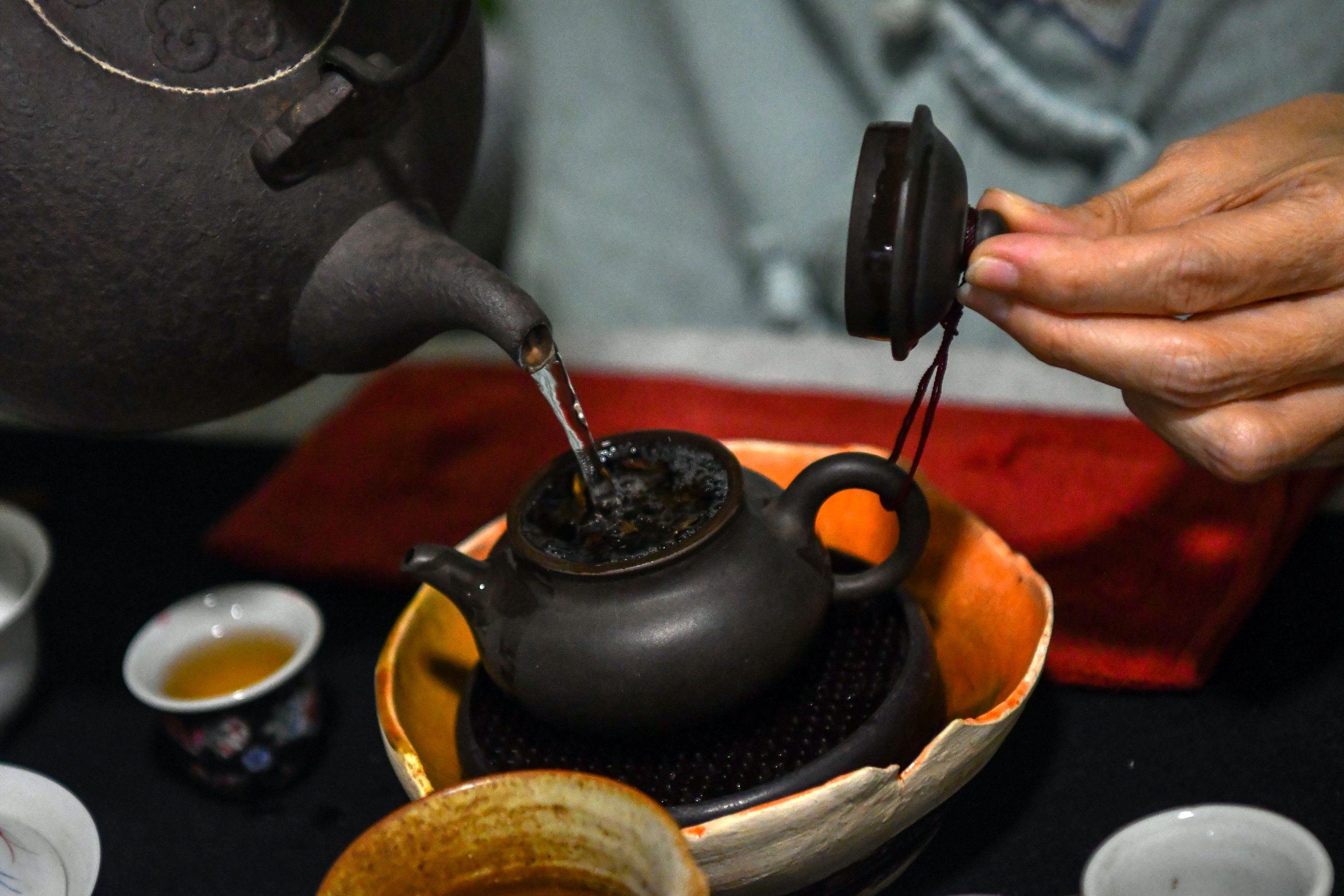
Tan said that Chinese tea is far more than just a drink; it carries its own health benefits, and the brewing experience varies with the type of teapot used — unglazed clay, porcelain, or ceramic — each subtly influencing the tea’s flavour.
“There is a special technique for brewing. The first infusion usually takes around 15 seconds, the second 25 seconds, and so on. When brewed correctly, it not only releases the finest aroma but also calms the mind.
“With the right understanding of the tea type and brewing method, each cup provides a unique and enjoyable experience,” she said, adding that her tea-making skills were honed with guidance from friends experienced in traditional Chinese beverages.
Prices start at RM20 per 100 grammes for most teas, while exceptionally rare or well-aged teas can command very high prices.
“Tea must be kept in conditions that are neither too humid nor too dry, and each batch is labelled with its storage year because certain teas develop more character and value over time,” she explained.
Tan said that in Chinese tradition, it is customary for younger family members to serve tea to their elders during special occasions or festive gatherings as a gesture of respect, affection and honour.
“Beyond festivals, tea plays a symbolic role in weddings, with the bride and groom serving it to elders as a gesture of respect and acceptance into the family.
“Almost every Chinese household has a tea set at home. Tea is more than a festive drink; it is a cherished tradition, carefully preserved and passed down through generations,” she added. – BERNAMA