AS families continue to observe traditional Chinese New Year customs, many are finding ways to preserve the meaning behind age-old practices while adapting them to modern realities.
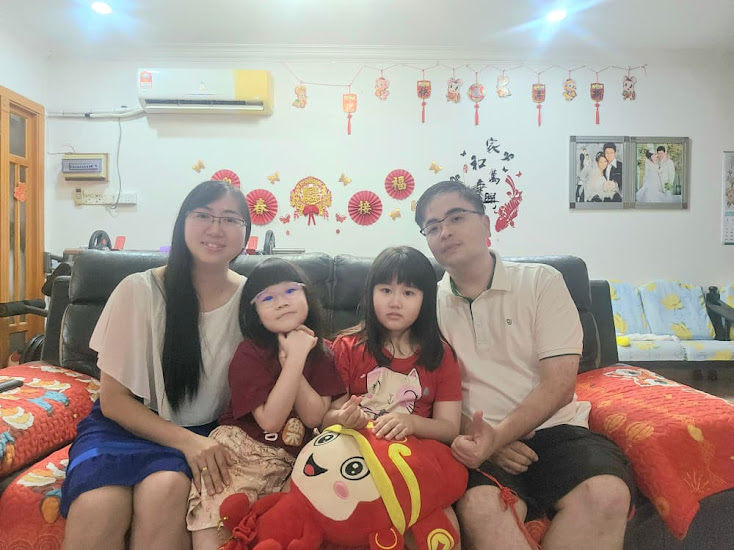
For 40-year-old teacher, Vincent Ling Su Kieng, the celebration remains deeply rooted in symbolism, family unity and cultural identity.
“Chinese New Year is not just about food or money. It is about family, respect and hope for a better year ahead,” he told Sarawak Tribune.
Among the non-negotiable traditions in his household is the reunion dinner held on the eve of Chinese New Year.
“This dinner represents more than a meal. It is about bringing the family together, no matter how far people have travelled. The true meaning is not in the lavishness of the food, but in togetherness and appreciation of family bonds,” Ling explained.
However, modern work schedules have required flexibility.
“Not everyone can make it on the exact night. Sometimes we hold the dinner earlier or later or join through video call. What matters is that we are connected, even if not physically present,” he said.
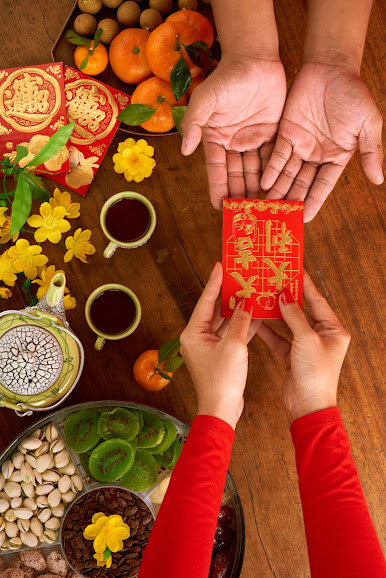
Another key custom is the giving and receiving of red packets, or angpow.
“Angpow carries blessings and wishes for the year ahead. Traditionally, married elders give it to unmarried family members and red represents good fortune.
“Today, some even send e-angpow, but the meaning remains the same. It is about sharing positivity and goodwill,” he said.
Preparations ahead of the celebration, such as cleaning the house, also carry symbolic meaning.
“We clean to sweep away misfortune and start afresh. Even though some old taboos, like not sweeping on the first day, are less strict now, the core message is still about starting well,” he said.
Ling also reflected on the differences between past and present practices.
“Our grandparents were stricter. They were careful about what they said on the first day and followed many rules. Today, we are more relaxed, but the values, respect for elders, gratitude and family unity remain the same,” he noted.
Explaining traditions to younger family members is part of keeping customs alive.
“I tell the children, ‘We give angpow as a blessing, not just money’. I also share the history behind these practices, so they understand it is about family, culture and new beginnings,” he said.
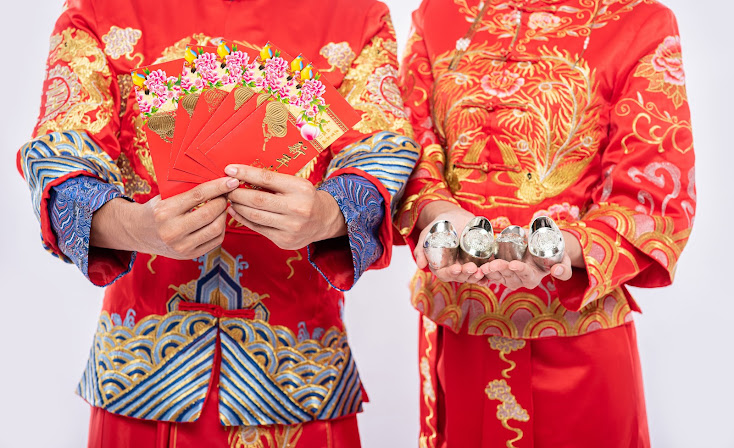
The teacher added that Chinese New Year evokes deep emotions.
“It reminds me of my childhood and the festive atmosphere with my grandparents and late father. There are nostalgia, gratitude and hope all in one season,” he said.
Observing these customs, Ling believes, strengthens his sense of identity.
“Following these traditions keeps me connected to my roots. It reminds me of the importance of respect, thankfulness and community,” he said.
Even as lifestyles evolve, he insists the spirit of tradition endures.
“Yes, schedules change, greetings are sent digitally and visits are shorter. But as long as we keep the values of respect, gratitude and togetherness, the tradition is alive,” he said.
Ling also noted that tradition is not static but develops according to social and economic changes.
“By understanding its meaning and adapting to modern life, we ensure Chinese New Year remains relevant and meaningful for future generations,” he said.