As the world observes International Mother Language Day, the warning feels urgent. Across homes, classrooms, and even dining tables, mother tongue languages are slowly giving way to those deemed more practical, more profitable, more “useful”. Yet, behind every fading word is a fading story, a disappearing worldview, a thinning cultural thread.
Preserve your mother tongue, preserve your culture
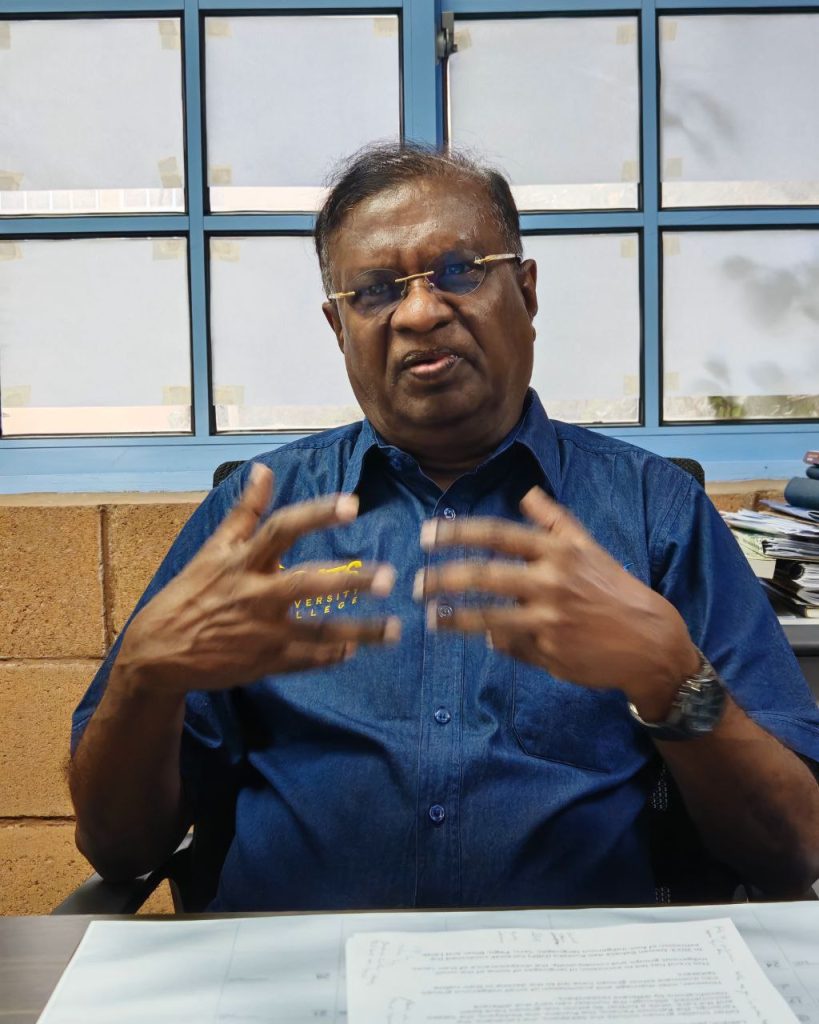
IN a meeting with i-CATS University College, Centre of Knowledge Advancement and Languages, Director and Professor, Dr Ambigapathy Pandian, taught an important life lesson: “Make sure you die with your mother tongue. Never compromise with it, because it’s an important aspect of preserving one’s culture.”
This nuance is particularly important today, as the world observes International Mother Language Day.
In safeguarding these ethnic languages, UNESCO stated that it is crucial to preserve our mother tongue for its identity, communication, social integration, education, and development. However, due to globalisation, these languages are under threat or disappearing altogether.
“When languages fade, so does the world’s rich tapestry of cultural diversity. Opportunities, traditions, memory, and unique modes of thinking and expression – valuable resources for ensuring a better future – are also lost,” said UNESCO in the same statement.
Sharing further, Ambigapathy said that the mother tongue is a language of identity and personality. While many often devalue languages that are not seen as economically valuable, the professor said otherwise: “The more languages you learn, the more of the world you see. When you want to improve yourself, you need to know more than one language.”
Woes of developed countries
When a language is viewed as having little economic value, it is likely to be drowned out amidst languages that are seen as economically beneficial. Ambigapathy also opined that many parents who understand this tend to instil a different path for their children – one focused on worldly success and achievements.

“For example, Mandarin is viewed as a language with economic value, so even non-Chinese parents are sending their children to learn it. At the end of the day, we would promote the language taught in school because children are expected to get all the A’s,” he said.
Growing up during the British era and the early years of the Federation of Malaysia in the 1970s, Ambigapathy noticed, as a young boy, how fast mother tongue languages were fading. Through school influences and intermarriages, the professor said, these factors have played a role in the gradual erosion of mother tongue languages.
Nevertheless, he expressed the importance of learning Bahasa Malaysia, the national language, and English. He said both are equally important for the country’s development.
“We need all these languages to live,” he said. At the same time, we need to die with our mother tongue.
“Many don’t understand why preserving our mother tongue is important. We need to, because our culture and identity need to be maintained. What happens if, in three decades, the whole country becomes English-speaking? There will not be any culture.”

In saying this, Ambigapathy explained that what is now ‘tubi goreng’ in the Bidayuh language will eventually be just “fried rice” if languages are not preserved. Therefore, the moment a language goes, the culture goes as well.
“You cannot separate language from culture. When it does, the whole world is gone. And all this starts from us. Without a proper self-identity, you won’t know who is Iban, and who is Bidayuh.”
In an age where progress is often measured by economic return, Ambigapathy reminded that language should not be reduced to mere currency. It is inheritance. It is memory. It is belonging.
As the world marks International Mother Language Day, the question is no longer whether a language has market value – but whether we value who we are enough to keep speaking it. Once a mother tongue falls silent, it does not simply disappear from conversation. It disappears from lullabies, from proverbs, from the way elders tell stories, and from the way grandchildren understand them.
And when that happens, what remains is not modernity – but amnesia. The responsibility, he stressed, begins at home. Speak it. Teach it. Use it. Live in it. So that when the time comes, we do not merely remember our mother tongue – but leave this world still carrying it.