MIRI: Creative industries rooted in indigenous heritage must be positioned at the centre of Malaysia’s tourism push ahead of Visit Malaysia 2026, said Deputy Tourism, Arts and Culture Minister, Chiew Choon Man, on Saturday night.
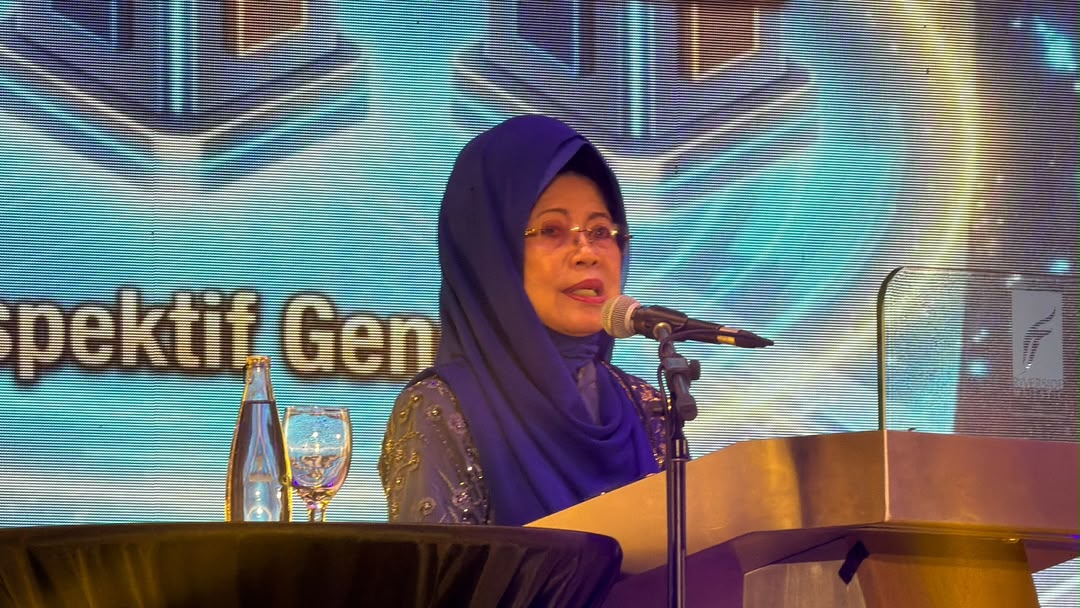
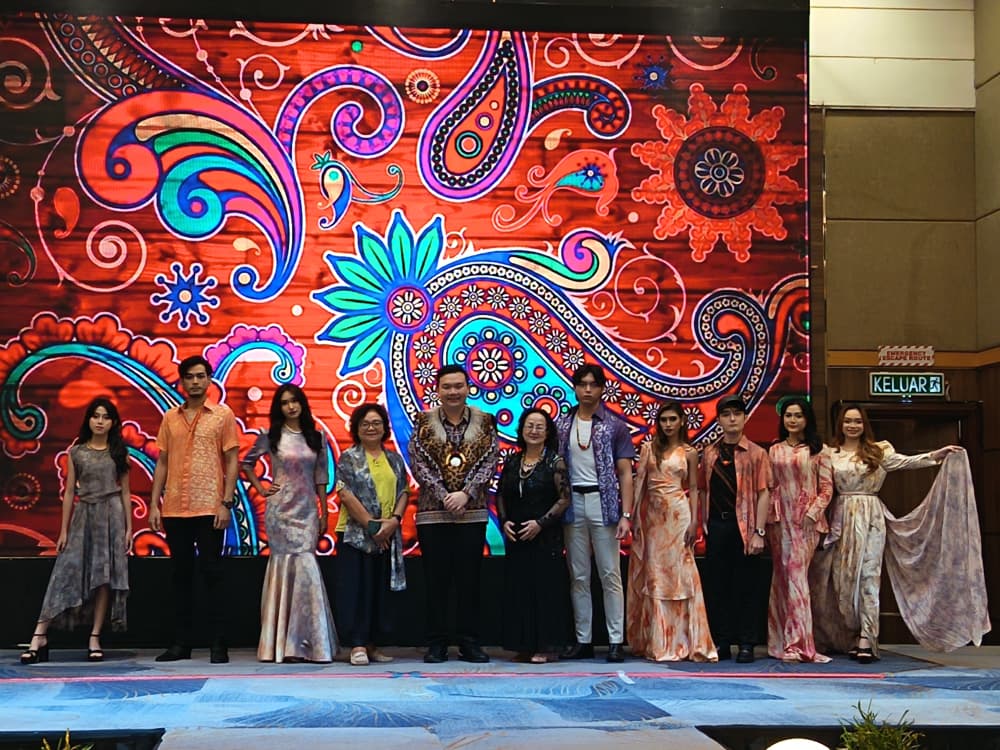
Speaking at the Sarawak Ethnic Contemporary Design Showcase dinner at the Eastwood Valley Golf and Country Club, Chiew said community-based cultural initiatives were no longer peripheral to tourism development but had become strategic economic drivers as global travellers increasingly sought authenticity, sustainability and meaningful local engagement.
He said Malaysia’s tourism offering must move beyond sightseeing to experiences that reflect identity, craftsmanship and responsible production, citing indigenous fashion, contemporary ethnic art and innovations such as pineapple leaf fibre products as examples of assets with international market appeal.
“As we prepare for Visit Malaysia 2026, these initiatives are timely and highly strategic,” he said, adding that cultural products anchored in heritage could strengthen Malaysia’s competitiveness while delivering income directly to local communities.
The showcase was jointly organised by the Rotary Club of Miri Oil Town and ‘Persatuan Wanita Orang Ulu Malaysia’, bringing together designers, artists and women entrepreneurs from indigenous communities including the Kelabit, Kenyah, Kayan, Penan, Iban and Lun Bawang.
Chiew said such collaborations reflected the type of partnership required for the success of Visit Malaysia 2026, which he described as a “national movement” rather than a conventional promotional campaign.
He said creative and cultural industries contributed to tourism growth in three key areas: diversifying tourism products, reinforcing inclusive community-based tourism, and advancing sustainability.
“Visitors want to take home something uniquely Malaysian,” he said, noting that locally designed fashion, indigenous art and ethically produced crafts added value to the tourism ecosystem while supporting creative tourism.
Empowering indigenous women entrepreneurs ensured that tourism benefits reached the grassroots level, he added, aligning with the ministry’s focus on inclusive and people-centred development.
On sustainability, Chiew said innovations using natural and renewable materials positioned Sarawak as a destination that embraced green practices and cultural preservation, trends increasingly prioritised by international travellers.
He urged corporate partners, industry players and stakeholders to provide mentorship, branding support, digital marketing expertise and access to regional and international markets to help Sarawak’s ethnic designs gain global recognition.
Addressing designers and artists at the event, Chiew said their role extended beyond aesthetics.
“You are cultural ambassadors of Sarawak and Malaysia,” he said.
“Through your work, you tell our stories to the world.”
The Sarawak Ethnic Contemporary Design Showcase 2026 was held in conjunction with a dinner event, highlighting the growing role of cultural innovation in positioning Sarawak within Malaysia’s broader tourism and creative economy strategy.
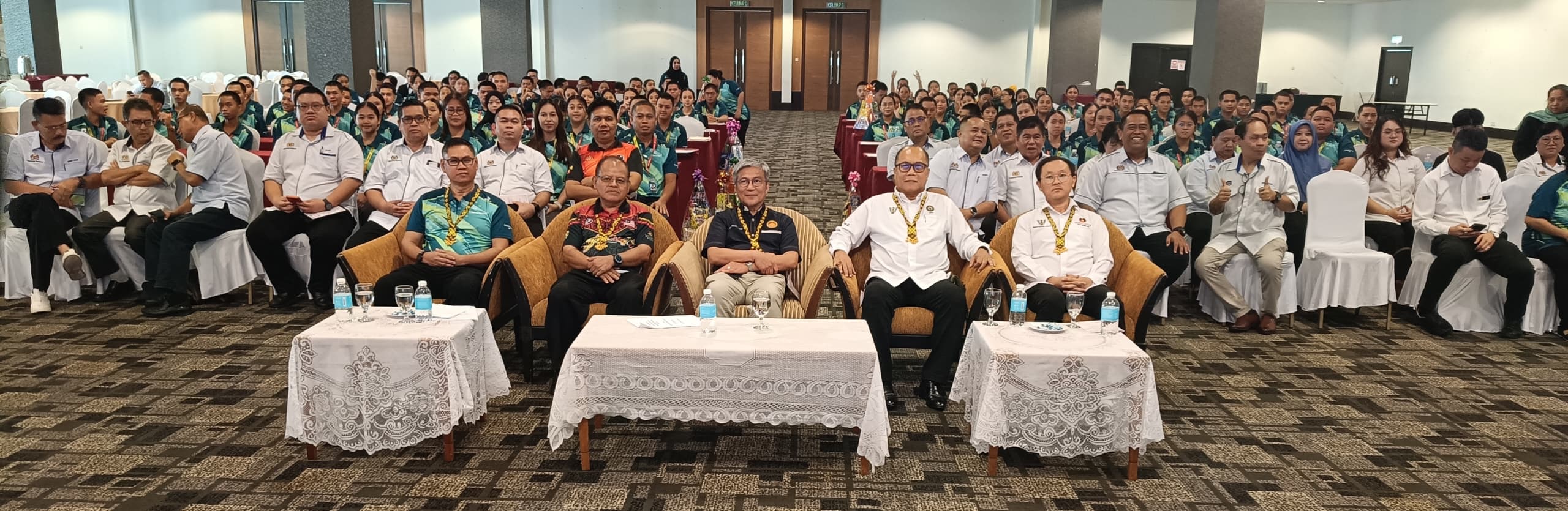
Also present were Klaus Tomalla, Assistant Governor District 3310 Rotary Club Miri, and
Pauline Sagau, President Rotary Club,Miri Oil Town.