KUCHING: The Malaysia Agreement 1963 (MA63) continues to serve as the constitutional foundation for fiscal fairness, regional balance, and national unity.
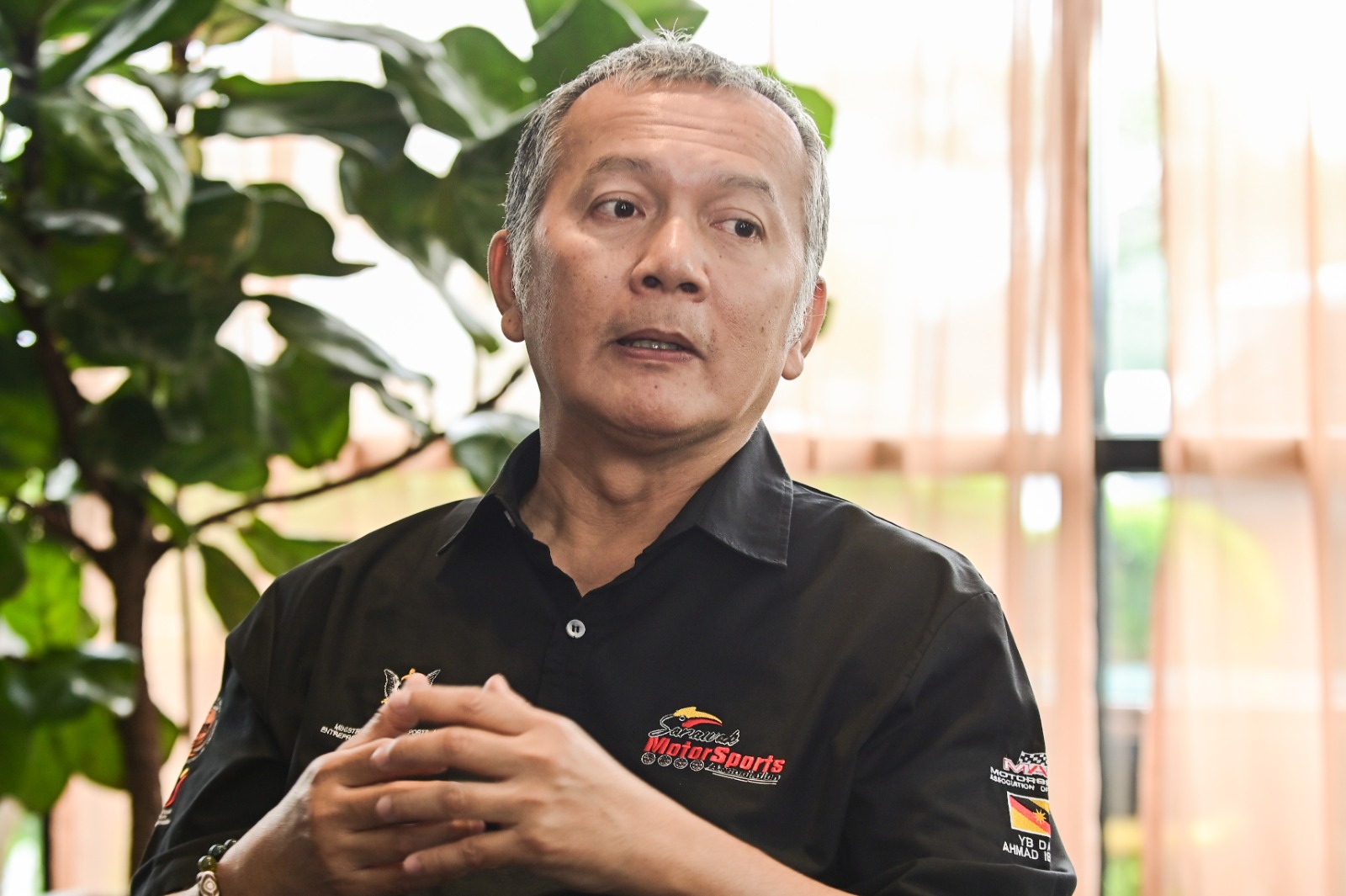
Senator Datuk Ahmad Ibrahim stressed that Sarawak and Sabah joined Malaya as founding partners of the Federation of Malaysia.
“Implementing MA63 fairly does not weaken Malaysia — it strengthens the federation,” he said during the debate on the Motion of Thanks to His Majesty Yang di-Pertuan Agong, Sultan Ibrahim ibni Sultan Iskandar in the Dewan Negara today (Feb 23).
He traced the historical journey from the Independence of the Federation of Malaya in 1957 to self-government in Sarawak and Sabah in 1963, culminating in the formation of Malaysia on 16 September 1963. Highlighting Sarawak’s oil history, he noted that the first oil well in Miri was drilled in 1910, emphasising that resource rights are based on legal and constitutional foundations.
“When Sarawakians and Sabahans speak of ‘balance’, they are referring to a constitutional structure that once existed, not an emotional narrative,” he added.
Ahmad welcomed progress under MA63, including constitutional amendments, regulatory recognitions, enhancements to Sarawak’s Special Grant under Article 112D, and stronger roles for technical departments in federal projects.
However, he noted that key matters such as parliamentary representation, education and health administration, federal civil service Borneonisation and border development still require firm, time-bound resolution.
“MA63 is not a Sarawak or Sabah issue — it is a national agenda. A strong Federation honours diversity, upholds the Constitution, and keeps its promises,” he said.
He also called for Article 112D to be implemented through a transparent, indexed formula reflecting mature fiscal federalism.
On economic reform, he urged structural shifts to avoid the middle-income trap, advocating greater investment in research and development, expansion of high-value sectors, stronger technical education, better wages for high-skill employment, and scaling local companies for global markets.
Addressing national food security, he proposed positioning Sarawak and Sabah as long-term anchors, while emphasising support for Askar Wataniah.