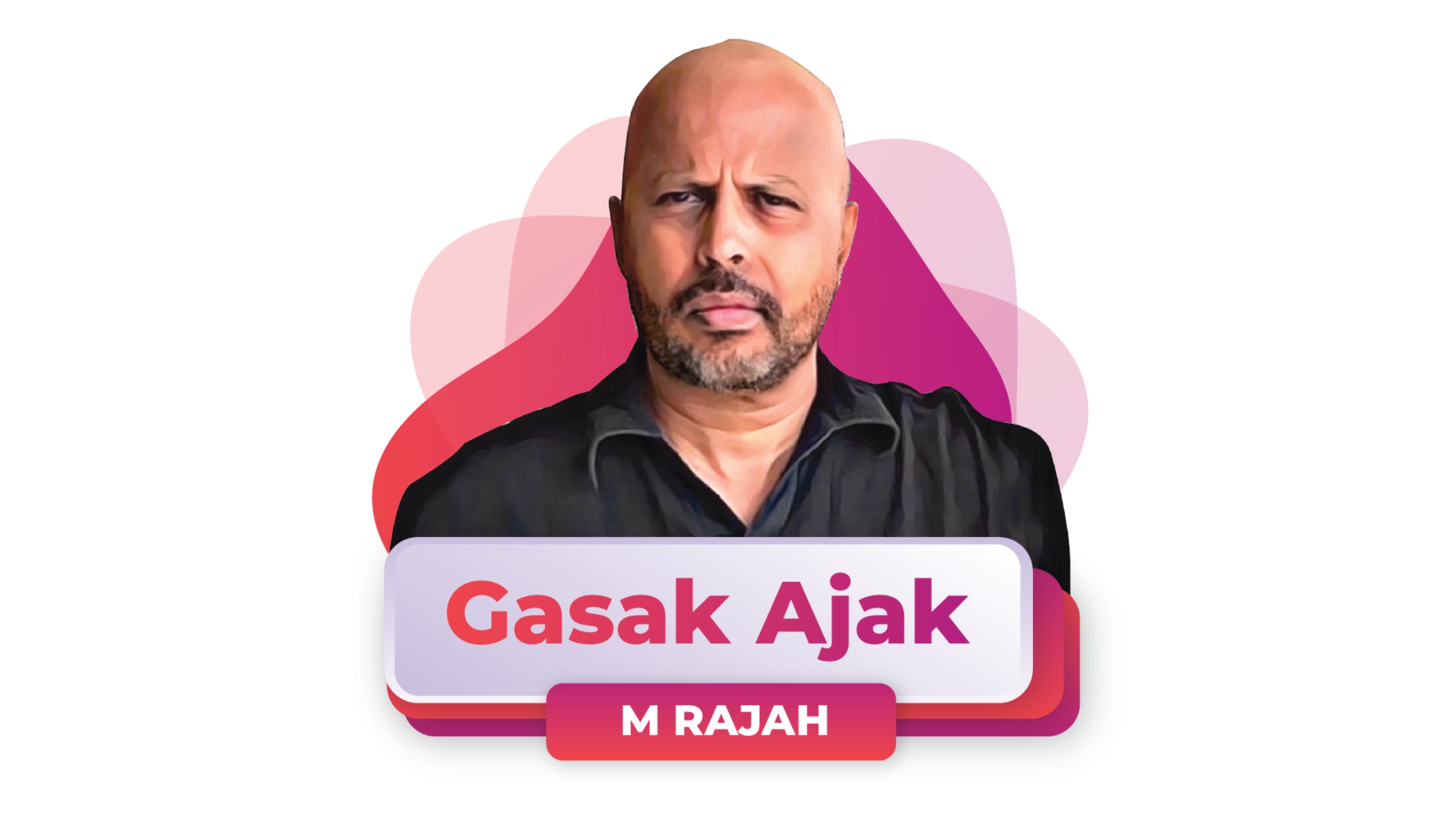
Why hospitality will keep losing people until it learns to grow them
FOR years, hospitality has been labelled as a “low-paying” or “temporary” job. Many outsiders assume it is work people do only until something better comes along.
Yet, from my own experience in hotels, restaurants, training rooms, and classrooms, I have learned that the problem is not hospitality itself.
The real issue lies in how we develop, grow and retain the people who keep this industry running.
Hospitality is not poor work. Poor systems make it look that way.
I have met frontline staff who are passionate, skilled and committed but slowly disengage because they see no future beyond their current role.
They are not leaving because they dislike serving guests. They leave because no one helps them grow beyond it.
In today’s hospitality environment, skills build service, but growth builds loyalty.
Many organisations focus heavily on recruitment. When staff leave, the immediate reaction is to hire more people. Yet this approach ignores a critical question, why are people leaving in the first place?
High turnover is rarely about salary alone. More often, it is about stagnation, weak supervision and the absence of visible career pathways.
Supervisors: The real retention strategy
Supervisors sit at the most influential level in hospitality. They translate company vision into daily behaviour. They shape work culture through how they coach, correct and communicate.
A good supervisor does more than manage schedules or check service standards. They develop people.
In my early years in operations, I worked under supervisors who took time to explain not just what to do, but why it mattered.
They corrected mistakes without humiliation and trusted us with responsibility before we felt fully ready. That trust pushed us to grow.
I stayed longer in those roles not because of pay, but because I felt invested in.
Unfortunately, not all supervisors are equipped this way. Many are promoted because they are technically strong, not because they are ready to lead.
Without proper development, supervisors often fall into control-based management. They focus on rules, tasks and compliance, while neglecting coaching and growth.
Over time, staff stop learning, stop engaging and eventually stop staying.
Skills alone are not enough.
Training someone to carry plates, check in guests, or follow SOPs will improve service quality. But without opportunities to learn problem-solving, decision-making and leadership skills, staff remain stuck in execution mode.
When people feel they are only valued for labour, loyalty fades quickly.
In Sarawak, I have seen young service staff leave not because the work was hard but because no one showed them what was next.
Some entered hospitality with ambition and pride, yet after months or years of repetitive work and little guidance, they concluded that the industry had no future for them.
This is not a talent issue. It is a leadership gap.
Retention begins on the floor
A supervisor who regularly coaches, gives constructive feedback and discusses growth paths can change how staff see their jobs.
Simple conversations like: “What do you want to learn next?”, “Where do you see yourself in a year?” … can transform routine work into a developmental journey. When people see progress, they stay.
Growth creates dignity
When staff are developed, hospitality shifts from being perceived as low-status work to a respected profession.
Skills development builds confidence.
Career progression builds pride.
Over time, this changes how employees, guests and even society view hospitality roles. People are more likely to stay in industries where they feel respected and capable.
Too often, hospitality organisations look outward for solutions. More recruitment channels, foreign labour and short-term incentives are introduced to address immediate gaps.
Yet these measures only treat the symptoms, not the cause. When new hires enter the same stagnant system, turnover simply repeats itself.
Without supervisors who are trained to develop people, even the best recruitment strategies will fail.
Supervisor development is no longer optional
Investment in supervisor capability is essential. Supervisors must be trained not just in operations but in people development.
They need skills in coaching, feedback, motivation and performance conversations. When supervisors grow, teams grow with them.
From my experience as a trainer and educator, organisations that prioritise supervisor development experience:
- Stronger engagement
- Better service consistency
- Lower turnover
Staff may still leave eventually but they leave with skills, confidence and positive memories.
Many even return later because the relationship was built on growth rather than control.
Skills build service. Growth builds loyalty.
If the hospitality industry wants to retain its people, it must move beyond filling positions and start building careers.
Retention is not about holding people back but about helping them move forward within the organisation.
People stay where they feel invested in and they leave when growth stops.
The future of hospitality will belong not to those who hire the fastest but to those who develop the best.
The views expressed here are those of the writer and do not necessarily represent the views of Sarawak Tribune.