KUCHING: Relevant institutions involved in the re-delineation and approval of Sarawak’s proposed new state constituencies must expedite the process to ensure the additional seats can be utilised in the coming state election.
Political observers stressed that time is of the essence if the 17 additional seats which have been approved at the state level are to take effect before the next polls.
They cautioned that any delay at the federal level could deny Sarawakians the opportunity to see the expanded representation implemented as planned.
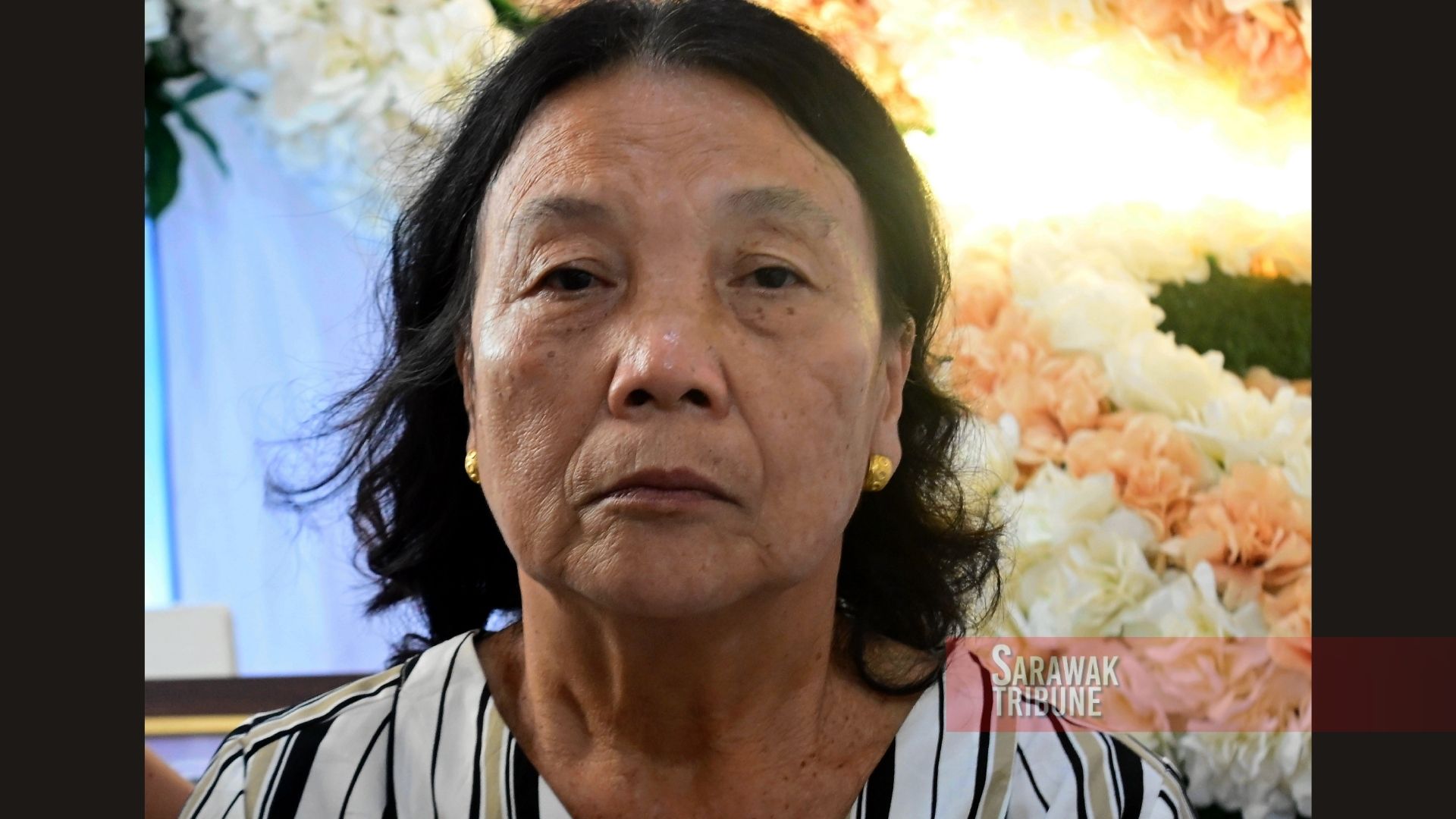
Political analyst Dick Lembang Dugun said the public is still unclear about the current status of the proposed new seats at the federal level, particularly whether the delay is due to processes within the Election Commission (EC) or pending approval in Parliament.
“For now, Sarawakians are being kept in the dark. There is no clear timeline or explanation on whether the matter is still at the EC stage or awaiting tabling and approval in Parliament.
“Even I don’t really know at what stage the process is now. From what I understand, it has to go through EC first, which do the re-delineation for the new constituencies. The EC must come up with their re-delineation proposal report and released if for public display, objections and inquiry as required by law.
“Next, it must go to Parliament (Dewan Raykat) and Dewan Negara for approval. After that it must get through the royal assent before it is gazetted,” he said.
Dick, a UNIMAS lecturer of politics and government programmes at the Faculty of Social Sciences and Humanities, said transparency is crucial, especially when the state election is drawing closer.
“There should be no issues of pointing fingers at each other if the Bill cannot be passed this year. The institutions involved must coordinate and communicate clearly. The rakyat deserve to know where the bottleneck is, if any,” he stressed.
“What is important is the additional seat must serve to strengthen representation of widely dispersed indigenous communities in Sarawak, and must be guided by transparency in doing the re-delineation,” he stressed.
Dick noted that the proposal to increase the number of state seats in Sarawak has been widely seen as necessary to reflect the state’s vast geographical size, population growth and administrative needs.
He argued that a larger legislative assembly would enable better representation for rural and semi-urban constituencies, many of which face unique development challenges.
He further observed that the proposal also carries symbolic and substantive significance in the broader federal-state relationship discourse, particularly within the context of the Malaysia Agreement 1963 (MA63).
“However, without the completion of the re-delineation exercise and the necessary constitutional amendments at the federal level, the new seats cannot be enforced,” he added.
The Dewan Undangan Negeri (Composition of Membership) Bill 2025 was passed during a special sitting of the Sarawak State Legislative Assembly in July 2025, paving the way for an increase in the number of state constituencies from 82 to 99.
Whether Sarawak goes to the next polls with 82 seats or an expanded 99-seat assembly now hinges on the pace and coordination of the federal approval process.