PAKAN: The implementation of the SejaTi MADANI Programme in the interior here is providing renewed economic opportunities for longhouse communities, enabling them to generate their own income.
Pakan state assemblyman, Tan Sri William Mawan Ikom, said the programme, implemented by the State Development Office (SDO) under the Implementation Coordination Unit (ICU) of the Prime Minister’s Department, goes beyond physical assistance and serves as an economic education platform for rural communities.
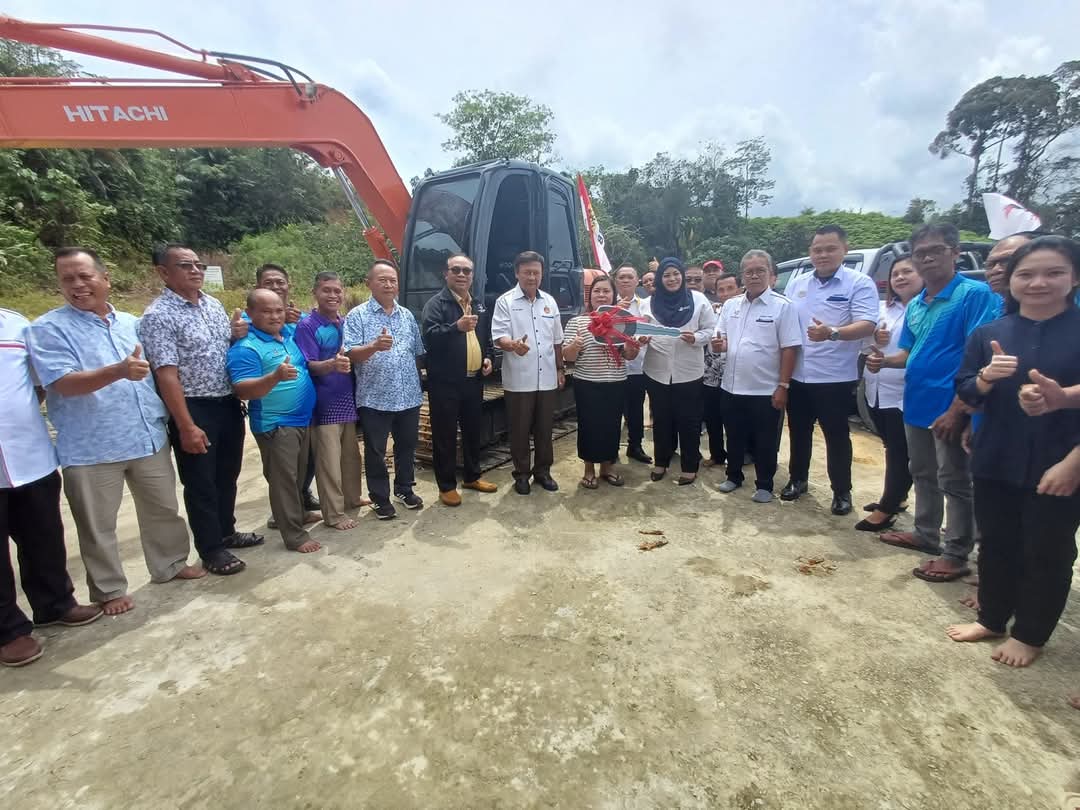
“The approach provides exposure to capital management, entrepreneurship and the importance of generating independent income, thereby reducing total reliance on government aid,” he said when officiating an excavator handover event under the programme for the JKKK of Rumah Regina Angoi here on Tuesday.
He said the event symbolised the government’s continued commitment to providing facilities and assets that can be utilised to generate sustainable economic returns for longhouse communities.
Through allocations under the Minor Rural Project (MRP) and the Rural Transformation Programme (RTP), both the state and federal governments have demonstrated their commitment to strengthening holistic rural development.
He noted that the allocations not only enhance basic infrastructure but can also serve as start-up capital for economic projects that generate continuous returns for residents.
“This initiative offers opportunities for more than 200 longhouses in Pakan to collectively plan economic activities, including in agriculture, services and small-scale infrastructure maintenance,” he said.
He emphasised that the implementation of farm road projects would improve economic access by facilitating the transportation of agricultural produce and reducing logistics costs.
“These facilities directly enhance community productivity and income,” he added.