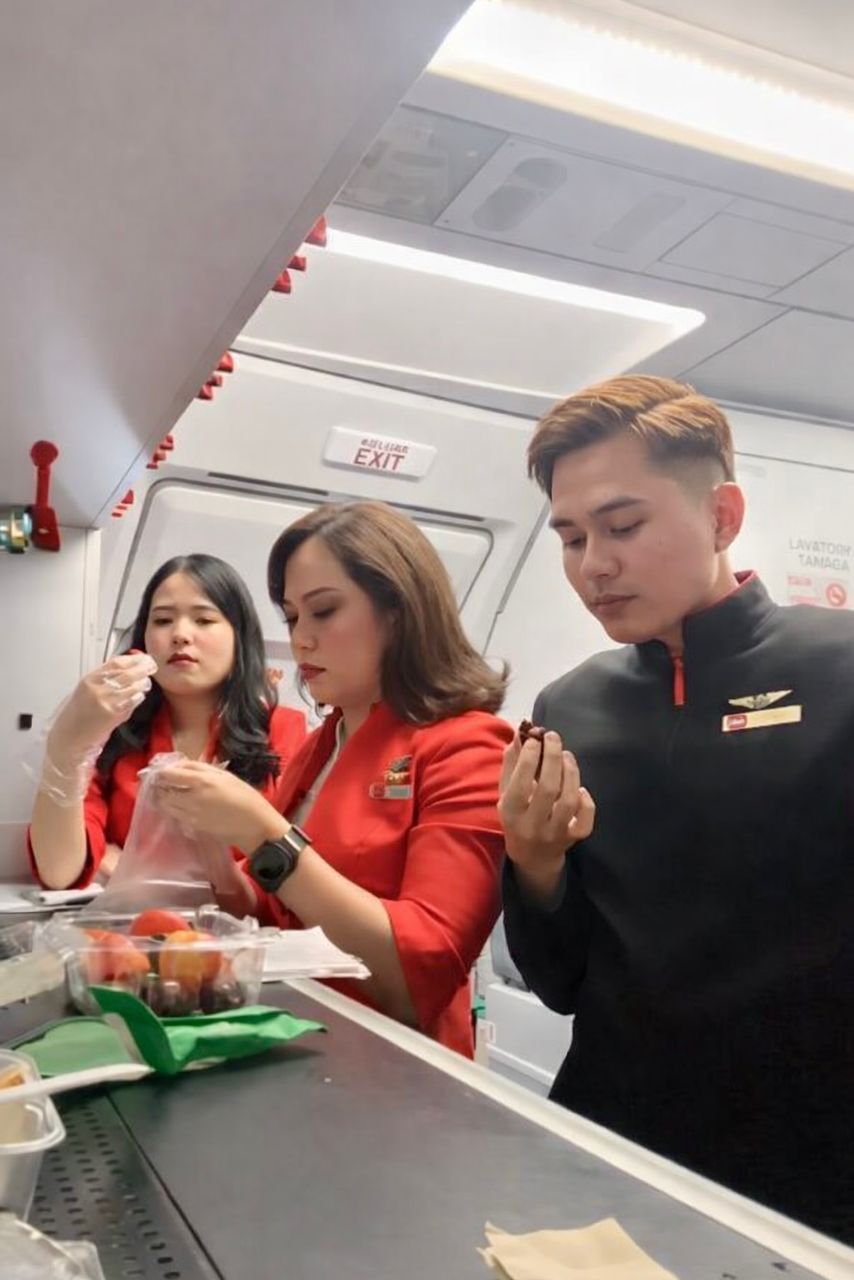
BREAKING fast thousands of feet above the ground has never been a reason for flight attendants or cabin crew to abandon their fasting obligations. Amid the constant demands of serving passengers and fulfilling ongoing duties, Ramadan continues to be observed as usual, even though the setting is different.
In terms of intention, breaking fast in the air is no different. However, in terms of atmosphere and preparation, it requires adjustment. At times, it is simply a date and a bottle of mineral water to ease hunger when the time for iftar arrives. The timing itself does not depend solely on a wristwatch or the call to Maghrib prayer, but is confirmed through communication with the pilots, who take into account the time zone, the aircraft’s position, and the flight destination.
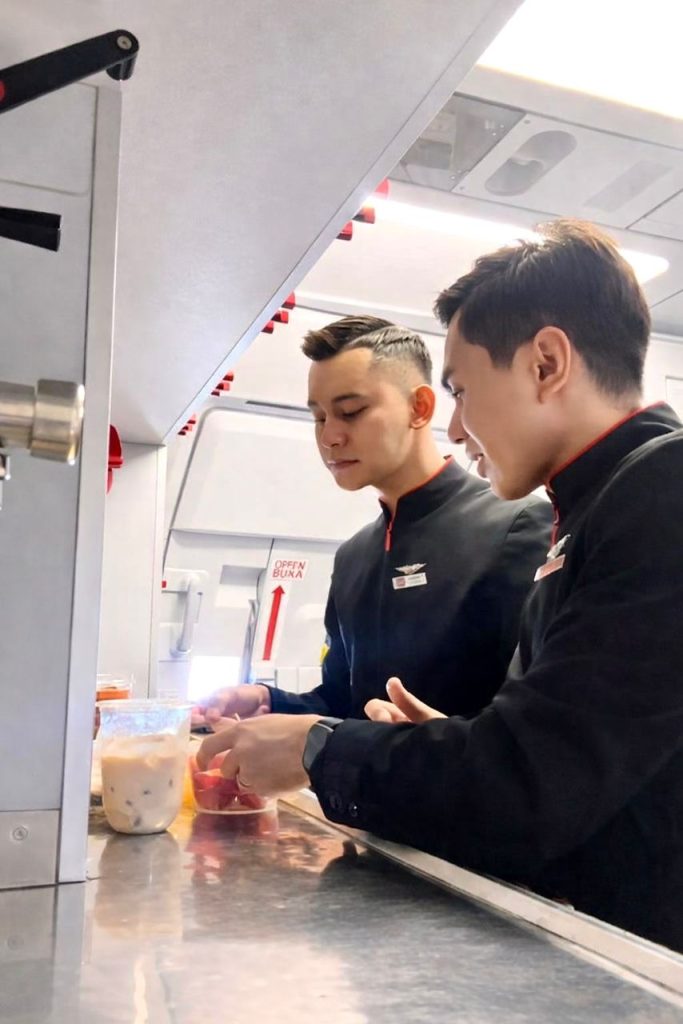
The moment of breaking fast is still embraced with gratitude, despite the absence of a properly arranged meal. There are no hot dishes or complete meals like those at home. Instead, the galley becomes a temporary dining space, and shared smiles among crew members brighten the moment.
Sharing his experience of breaking fast while on duty, AirAsia Berhad flight attendant Muhamad Ishammudin Ali Osen, 29, said his first experience breaking fast on board an aircraft was during Ramadan in 2024.
According to him, at the time, the main thing on his mind was responsibility and intention.
“In my mind, I only thought that this was a work responsibility, but at the same time, it was also an act of worship. Although it was challenging, it was a meaningful experience that stays with me to this day, even without warm food or a complete meal at iftar.
“Usually, we just drink mineral water and eat a date. If there are no dates, we have biscuits; just to honour the time of breaking fast and ease our hunger,” he told Suara Sarawak.
Commenting on how they carry out their duties throughout Ramadan, the Kampung Pusa native added that once Maghrib begins, the cabin crew take turns to briefly break fast.
“After breaking fast, we immediately continue our duties because our priority is to ensure all passengers can break their fast first.
“While fasting, we also understand and empathise with one another more. When everyone is enduring hunger and thirst, patience and tolerance naturally become stronger,” he said.
Although their iftar may appear simple and incomplete to the naked eye, Ishammudin admitted he feels happy and at peace each time Maghrib arrives.
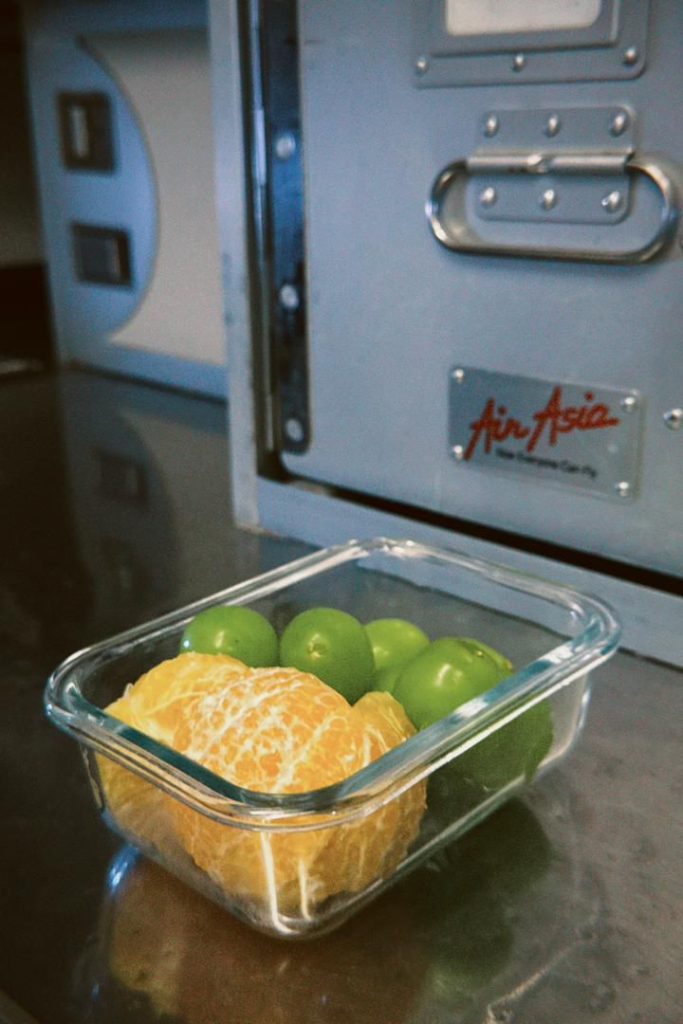
“The feeling is difficult to describe: happiness, gratitude, and calm. Even if we only break fast with mineral water, we still prioritise passengers so they can break their fast comfortably first.
“Sometimes passengers even give us food for iftar, such as dates or doughnuts. Among the crew, we bring our own food and share it. If there is more, we share more. If there is little, we divide it equally,” he explained.
He said such small moments make the experience of breaking fast in the air more meaningful, not just about food, but about togetherness and empathy throughout the flight.
Ishammudin, more affectionately known as Isham Alsen, said that flight schedules can offer different experiences, especially when iftar on certain routes occurs earlier than in Kuching.
“Sometimes we feel happy because there are routes where iftar is earlier than in Kuching, so we can break fast earlier.
“There are also times when we depart after Maghrib. For example, a few days ago, a flight from Kuching to Pontianak departed shortly after iftar, so we were able to break fast briefly before continuing our duties as usual,” he said, adding that time differences and routes make each Ramadan in the air unique.
When asked about the biggest challenges of fasting while performing flight duties, he explained that fasting is not merely about refraining from food and drink, but also requires professionalism, focus, and consistent energy.
As cabin crew, they must always be ready to handle a range of passenger behaviours.
“Sometimes we face demanding or particular passengers. When the body is tired and fasting, emotions can be more sensitive. The challenge is to ensure our smiles remain sincere and communication stays calm and professional,” he said.
Ishammudin acknowledged that for most people, Ramadan is usually celebrated at home with family and a full meal on the table. However, for aviation personnel, the call to Maghrib is sometimes observed in the air with only a sip of water and a single date, while ensuring passenger safety and comfort remain the priority.
“As passengers, you may not see those sacrifices. Crew members continue to smile and serve professionally even while fasting, fatigued, or away from their families. Behind the neat uniform lies discipline, commitment, and significant sacrifice.

“I hope passengers can appreciate their patience by offering cooperation and a simple thank-you. Even a small gesture means a lot to us,” he added.
For him, the meaning of Ramadan, as a flight attendant celebrating it between the sky and the earth, carries deep significance. It is not merely a month of enduring hunger and thirst, but a time to strengthen the spirit in fulfilling one’s duty.
“On the ground, Ramadan is synonymous with family, mosques, and the iftar table. But in the air, it comes in a quieter and simpler form. Breaking fast may be just mineral water and dates in the galley, having sahur in a dim cabin, and performing prayers in a limited space.
“But it is this experience that makes Ramadan truly meaningful for us. Even while fasting, passenger safety and welfare remain our priority. It teaches the true meaning of responsibility; that worship and professionalism can go hand in hand,” he stressed.
Ramadan in the air may be simple in its meals, but profound in its meaning: teaching discipline, sincerity, and responsibility regardless of altitude, ensuring every flight ends safely and peacefully. Passengers are therefore encouraged to remain mindful and appreciative of the cabin crew’s efforts, especially during Ramadan. Offer cooperation, respect safety instructions, and do not hesitate to share a smile or words of thanks. Even the simplest appreciation can mean a great deal to those who continue to serve with dedication and commitment