BANGKOK, Thailand: Thailand is seeking to diversify its oil imports by securing additional supplies from partner countries, including Malaysia, the United States and South Africa, as tensions in the Middle East disrupt global energy routes.
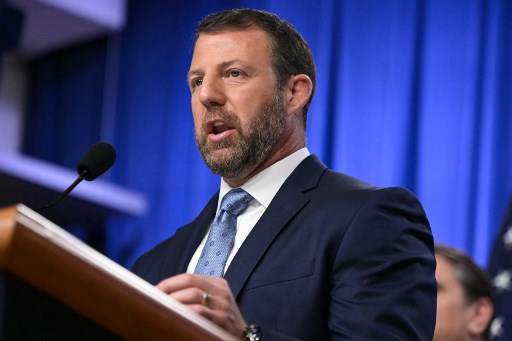
Caretaker Prime Minister, Anutin Charnvirakul, said the government had urgently convened a meeting with relevant agencies to assess the situation.
He noted that about half of Thailand’s oil imports come from the Middle East, while the remainder is sourced from other regions.
“The government has instructed the Ministry of Energy and related agencies to closely assess the situation and consider alternative import sources to diversify energy risks.
“PTT Public Company Limited (PTT), Thailand’s state-owned integrated oil and gas company, maintains commercial relationships with various global suppliers, enabling it to secure additional oil imports during times of crisis.
“The government wants all agencies to carefully consider comprehensive measures to minimise the impact on Thailand and maintain the country’s energy stability amid the current uncertainty,” he said in a statement after chairing a meeting with relevant energy agencies to discuss energy measures on Thursday.
Meanwhile, Anutin said the government has utilised the Oil Fuel Fund to help stabilise energy prices and reduce volatility.
He added that authorities will continue monitoring the situation closely and may use the fund further to cushion the impact on the public if the conflict persists.
He also said the energy minister had informed him that Thailand’s oil reserves are sufficient for about 95 days.
Earlier this week, media reported that Iran has shut down the Strait of Hormuz, one of the world’s most critical shipping routes, following joint US and Israeli airstrikes.
The waterway, located at the mouth of the Persian Gulf and linking Middle Eastern oil and LNG exports to global markets via the Arabian Sea and Indian Ocean, has seen major disruptions, with analysts warning of prolonged impacts on energy and container trade.
Media reports said major shipping companies have suspended transit through the Strait of Hormuz following reports by maritime agencies of attacks on several vessels. – Kenny Teng/BERNAMA