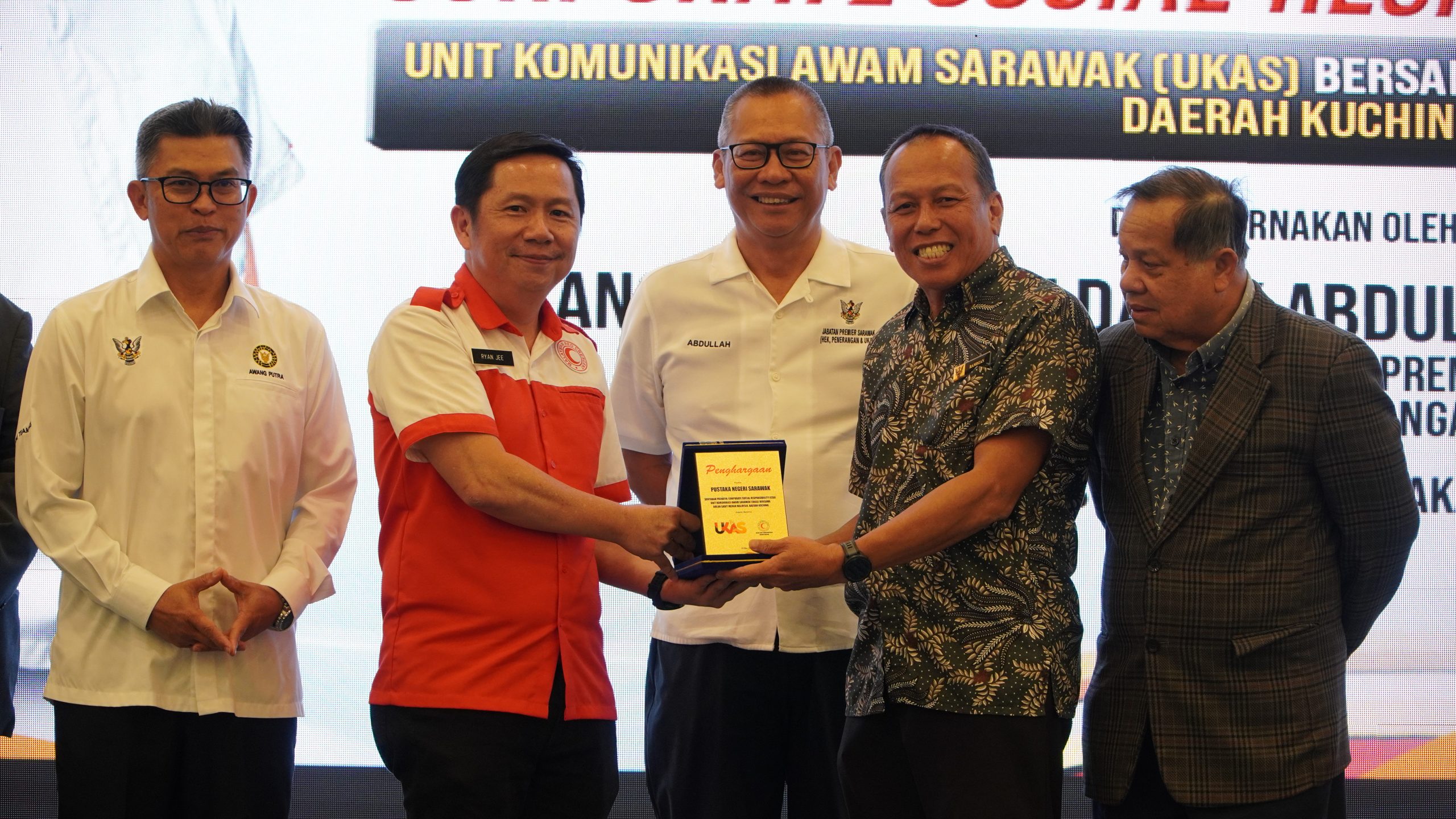
KUCHING: Members of the public, government officers and media practitioners should be equipped with basic emergency response skills such as cardiopulmonary resuscitation (CPR) and the use of automated external defibrillators (AED), said Deputy Minister in the Sarawak Premier’s Department (Corporate Affairs, Information and UKAS), Datuk Abdullah Saidol.
He said such skills are essential in helping to save lives during emergencies, especially before professional medical help arrives.
Abdullah noted that although many government agencies already have committees overseeing occupational safety and health, there is still a need for more specialised training in emergency first response.
“Most agencies already have committees responsible for safety and health matters, but there is still no dedicated team specifically trained in early emergency treatment such as CPR and AED,” he said when meeting reporters during a Corporate Social Responsibility (CSR) programme organised by the Sarawak Public Communication Unit (UKAS) and the Malaysian Red Crescent Societ on Thursday (March 5).
Abdullah said agencies whose personnel frequently work in the field should identify groups of officers to undergo proper emergency response and basic first-aid training.
He added that such initiatives should extend beyond government agencies to include non-governmental organisations and the wider public.
“In public areas such as business centres, shopping malls or roadside stalls, there should ideally be two or three individuals trained in basic emergency response.
“Accidents can happen at any time. When they occur, there should be members of the public who understand what to do and are ready to assist with initial treatment,” he reiterated.
“Early assistance can prevent injuries from worsening and may even help save lives.”
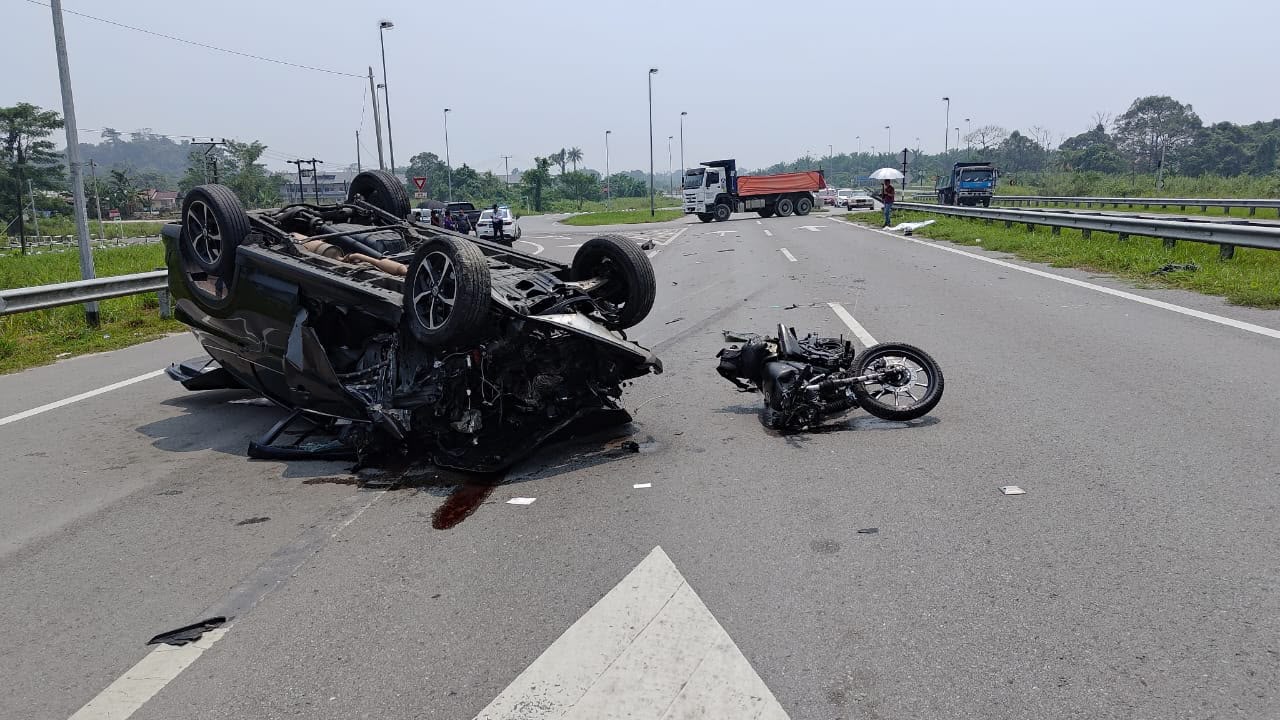
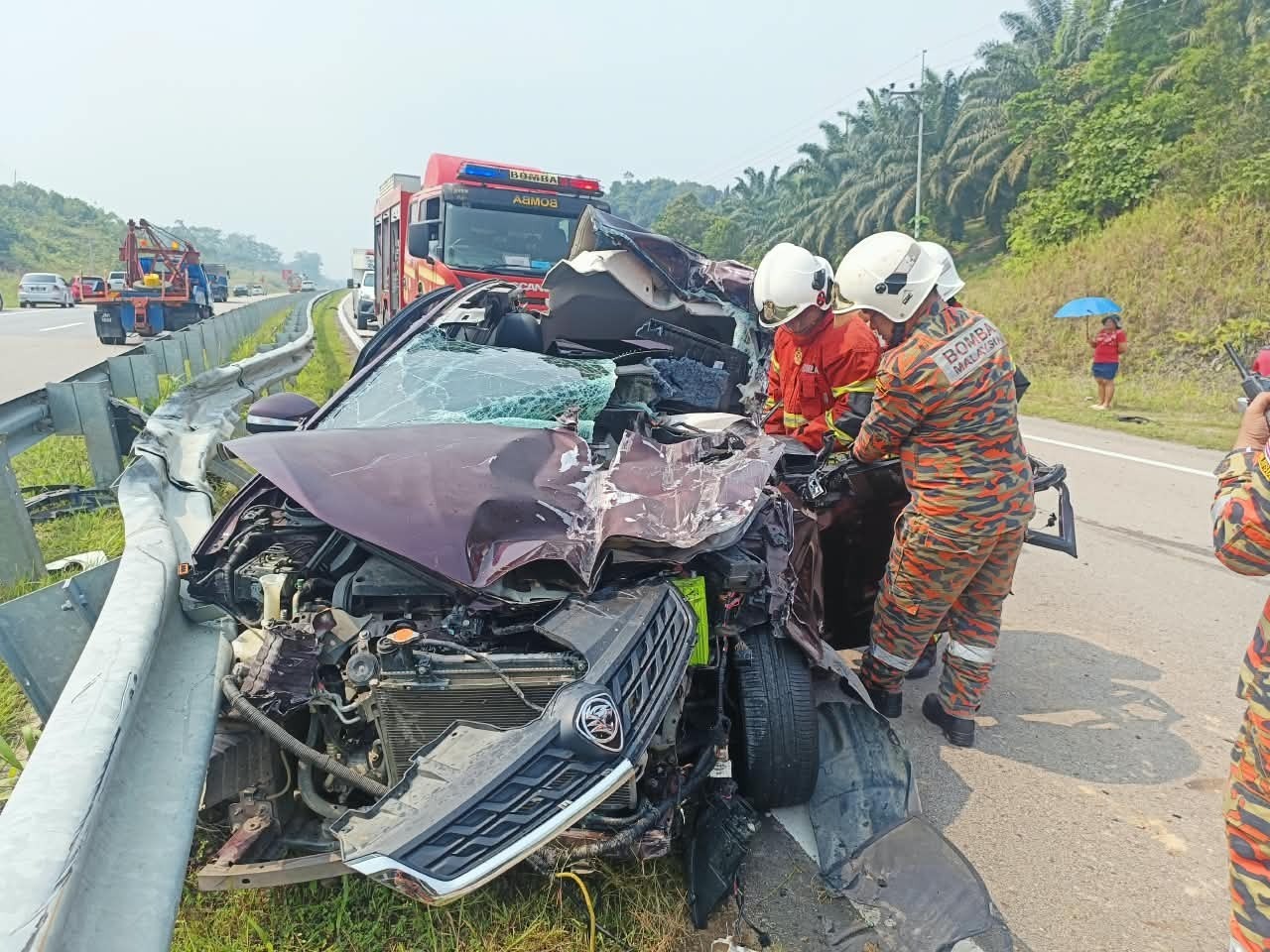
Abdullah also highlighted the importance of responsible behaviour during accidents, urging people to assist victims rather than merely record incidents.
“There have been cases where accident victims appeared unharmed at first, only to collapse later due to serious internal injuries, particularly involving the spine or nerves.
“If someone knowledgeable had ensured the victim remained lying down and avoided unnecessary movement until the ambulance arrived, the outcome might have been different,” he said.
He also urged road users to give way to ambulances so they can reach hospitals quickly during emergencies.
Abdullah added that he has instructed (UKAS) to collaborate with the MRCS in future community engagement programmes, particularly in rural areas where access to hospitals and clinics is limited.
Through such initiatives, young people, community leaders and village representatives can be trained so that each village, longhouse or village development and security committee (JKKK) will have a dedicated team capable of responding to emergencies.
Earlier, MRCS Kuching District Community Service Sub-Committee Chairman, Ryan Jee, said the collaboration between MRCS Kuching and UKAS aims to strengthen awareness and improve practical skills in CPR and AED among media practitioners.
“This initiative also targets media practitioners who are often on the ground covering events and public programmes,” he said during his opening speech.
Ryan noted that journalists and media personnel frequently attend official functions and public gatherings, placing them in positions where they may need to respond to emergencies.
“If they are equipped with CPR and AED skills, they could become lifesavers during unexpected incidents,” he said.
He emphasised that emergencies are unpredictable, but individuals can choose to be prepared and equipped with the knowledge needed to respond effectively.
Ryan added that the MRCS Kuching District remains committed to carrying out various humanitarian activities, including community outreach programmes and environmental initiatives, guided by the mission of translating humanitarian values into meaningful action.
However, he stressed that such efforts require strong support and collaboration from all sectors, including government agencies, the private sector and non-governmental organisations.