JAKARTA, Indonesia: Indonesia has urged the public to remain calm and avoid panic buying despite reports of rising global crude oil prices amid the conflict in West Asia.
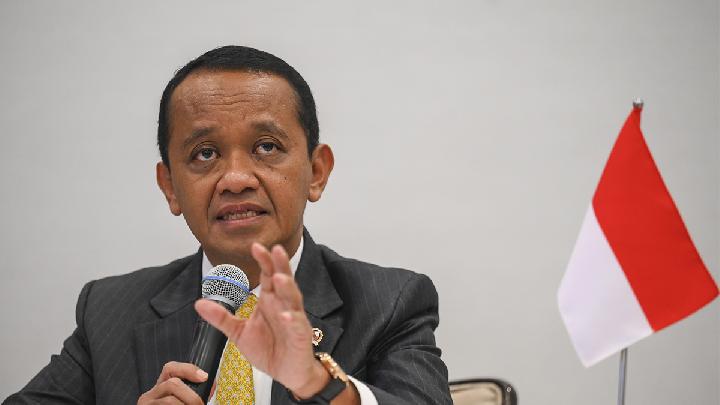
Energy and Mineral Resources Minister, Bahlil Lahadalia, confirmed that domestic fuel stocks remain sufficient and secure to meet public demand.
“What we previously meant by 21 to 25 days refers to our storage capacity, but additional supplies will continue to arrive. Industry operations are running as usual, and our imports remain on track,” he said, according to ANTARA News Agency on Tuesday night.
Bahlil, together with Finance Minister, Purbaya Yudhi Sadewa, and several other Cabinet ministers, attended a limited meeting at the Presidential Palace in Jakarta on Tuesday afternoon to discuss global crude oil prices, which have surpassed USD100 (approx. RM392) per barrel following the escalation in West Asia.
Bahlil said Indonesia imports crude oil mainly from West Asia, while refined fuel products are sourced from Southeast Asian countries and processed domestically.
He also confirmed that subsidised fuel prices would remain unchanged until Aidilfitri, despite the surge in global crude oil prices.
Meanwhile, Purbaya said the government is closely monitoring the increase in global oil prices and will adopt a cautious approach before making any fiscal policy adjustments.
“We are carefully observing whether prices continue to rise or fall. If the increase persists for several days or weeks, then we can anticipate a sustained trend, but prices could also rise and suddenly fall again,” he said.
He explained that the government would first assess the price trend before making any adjustments to the state budget (APBN).
“If prices fall later, we would have to revise it again. Adjusting the assumptions in the APBN requires greater caution than reacting to daily market movements,” he said.
Currently, he said fuel subsidies in the APBN are based on an average crude oil price assumption of USD70 (RM274.75) per barrel for the full fiscal year.
He added that the government would not respond immediately to short-term price fluctuations, noting that fiscal policy adjustments require more careful consideration than daily market reactions. – BERNAMA