KUCHING: Sarawak’s Free Tertiary Education Scheme (FTES) is creating new opportunities for Sarawakian students to study at Swinburne University of Technology Sarawak Campus (Swinburne Sarawak) without financial barriers.
At Swinburne Sarawak, the implementation of FTES not only expands access to internationally recognised education, but is also expected to produce more highly skilled graduates capable of supporting the state’s development aspirations under the Post-COVID-19 Development Strategy (PCDS) 2030.
Currently, more than 2,000 Sarawakian students at Swinburne Sarawak are eligible for FTES, with the application and enrolment process still ongoing.
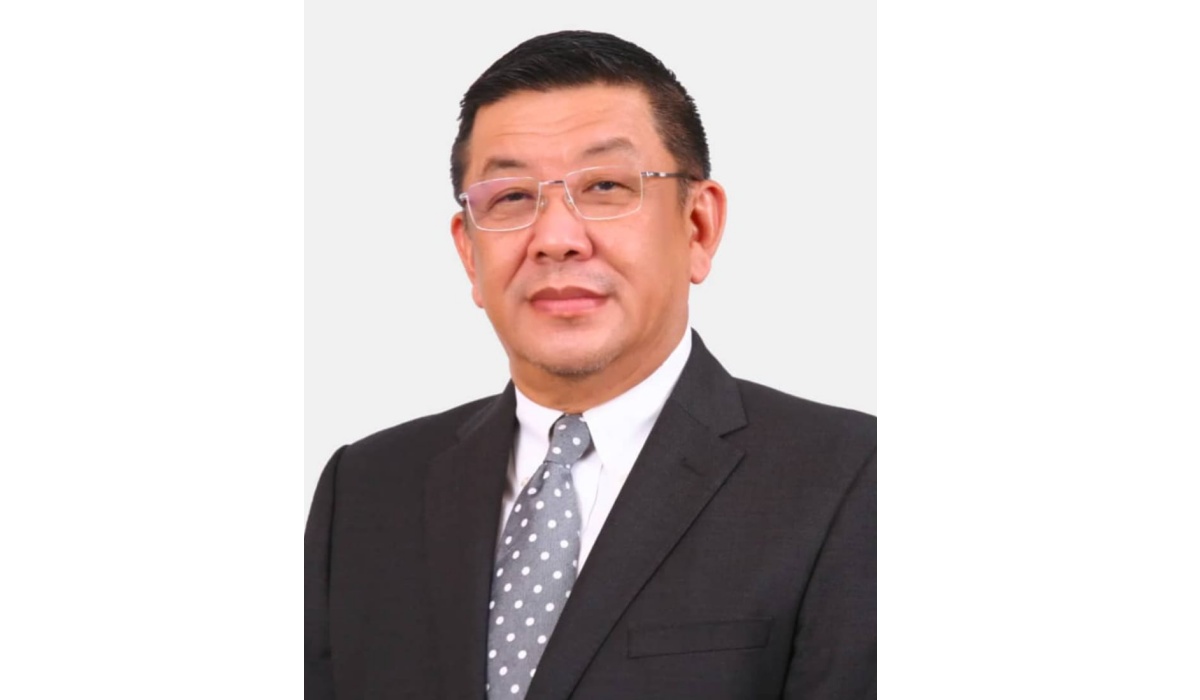
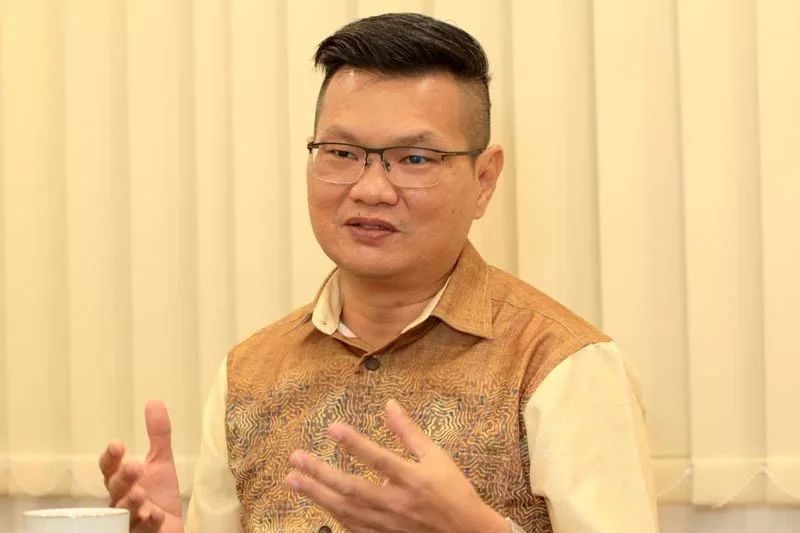
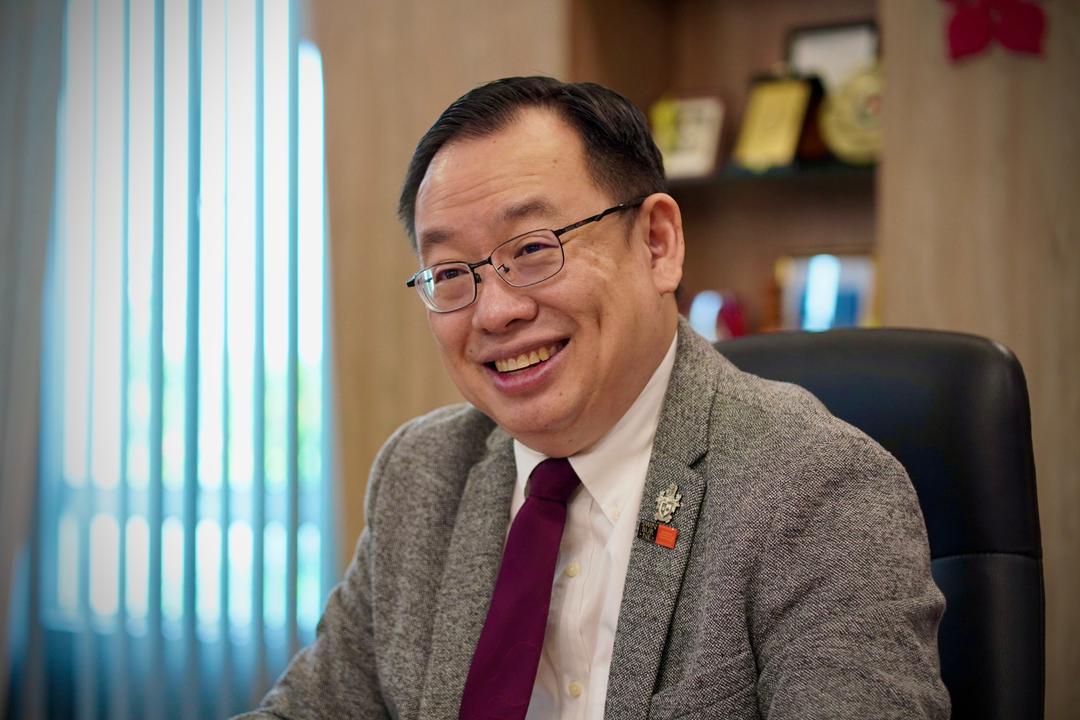
In a recent question-and-answer session with Sarawak Tribune, Swinburne Sarawak Pro Vice-Chancellor and Chief Executive Officer Professor Lau Hieng Ho shared insights on the initiative and its implications for the university, including access to higher education, academic standards and talent development in the state.
Tribune: How should Swinburne Sarawak balance expanding access to free tertiary education with maintaining institutional quality and global competitiveness?
Lau: For Swinburne Sarawak, we are clear that the expanding access will not come at the expense of the academic standards and quality. As a global branch campus of Swinburne University of Technology in Australia, we operate under the same academic standards and also accreditations and quality framework as of our main campus.
These benchmarks and quality standards do not change based on how a student’s education is funded. Every student enrolled under the FTES receives the same quality of education as any other Swinburne student.
In our view, global competitiveness is most importantly driven by strong graduate attributes , such as how employable our students are, how relevant their skills are, and how they perform in industry. These graduate attributes remain our guiding focus.
Tribune: In your view, what fiscal risk would emerge if the enrolment in Swinburne Sarawak significantly increased under FTES without parallel investment in faculty and academic capacity?
Lau: We expect enrolment in science, technology, engineering and mathematics (STEM) programmes to rise under FTES, and we anticipated this trend earlier. This growth is currently within our capacity to manage well.
With this positive trajectory, the university will be making parallel investments in infrastructure and academic capacity to cater for the growth over the coming years, while ensuring that our quality standards are maintained.
We will continue to monitor the situation closely, as the initiative has just been launched and this is only the first semester.
We will observe how the FTES trend develops and invest accordingly in infrastructure and capacity so that we stay ahead of the curve. This will ensure that all students, whether they are under FTES or not, receive the same quality Swinburne experience.
Tribune: To what extent should free tertiary education be tied to labour market outcomes to ensure long-term economic sustainability?
Lau: I think this question relates closely to the vision of the Premier Datuk Patinggi Tan Sri Abang Johari Tun Openg. The FTES initiative was introduced by our Premier with a very clear objective, to ensure that Sarawak develops the talent needed for its economic transformation.
Sarawak’s economic ambitions are clearly outlined in the Post-COVID-19 Development Strategy 2030 (PCDS 2030). Under PCDS 2030, several key economic sectors have been identified as priorities.
To support these sectors, we need to grow our pool of Sarawakian talent. FTES makes this possible by removing the financial barriers that, as our Premier has often pointed out, may have prevented many Sarawakians in the past from accessing high-quality tertiary education, education that would prepare them for Sarawak’s coming economic transformation.
At the same time, FTES also reflects the spirit of inclusivity under PCDS 2030, ensuring that the benefits of economic growth are shared among Sarawakians regardless of their background. So this is the aspiration of our Premier.
Tribune: How does Swinburne Sarawak maintain financial sustainability while continuing to invest in its people, research and facilities?
Lau: I think over the past few years, Swinburne Sarawak has been in a very strong financial position and has remained financially sustainable even before the introduction of FTES.
We have great support from the Sarawak government as a shareholder to Swinburne Sarawak over the years. And we are also actively growing our international students’ enrolment and also developing research. We have consultancy and other commercial activities to support our diverse streams of revenues.
So going forward, our plan is to continue on the self-reliance to be financially sustainable and able to invest in our people, our causes, our quality and also our facilities.
Tribune: So how might FTES reshape the competitive dynamics between public and private universities in Sarawak, especially private universities like Swinburne Sarawak in the long run?
Lau: In general, public and private universities have different roles and mandates within the broader higher education ecosystem. They complement each other in achieving the goals outlined in the Malaysia Education Blueprint (Higher Education).
FTES is an initiative introduced by the Premier and the Sarawak government to advance inclusivity, meet Sarawak’s growing talent needs, and support the ambitions set out under the PCDS 2030.
So in the long run, I think overall “rakyat” access to tertiary education will grow and that both public and private universities will thrive together.
Ultimately, this means more Sarawakians will have opportunities to pursue higher education, producing more graduates who can contribute to society and help advance the state into the future.
Tribune: What lessons can Swinburne Sarawak learn from other regions or countries that have implemented free tertiary education models?
Lau: I believe the free tertiary education model currently practised in Sarawak was developed after a very careful study by the Sarawak Ministry of Education, Innovation and Talent Development.
The ministry has examined different models implemented in various countries and regions. From the groundwork carried out by the ministry, this gives us confidence that with a thoughtfully structured scheme, FTES can be successfully implemented. The many coordinated meetings and extensive discussions among stakeholders have also helped ensure its successful implementation.
I believe that any expansion of FTES beyond its current scope, not only in relation to universities but also potentially other areas such as postgraduate studies, will be studied further by the Sarawak government. This is consistent with what has been reported and responded to by the ministry and by the Premier.
Tribune: Is there a risk that increased accessibility may lead to enrolment of students who are academically underprepared, and how should Swinburne Sarawak address that without compromising inclusivity?
Lau: A key eligibility criterion for students to receive FTES is that they must have an offer from one of the Sarawak-owned institutions of higher learning. This means that the student needs to meet the academic requirement of the university with or without FTES.
FTES is not simply a ticket to bypass admission standards; it only removes the financial barrier for eligible students. At Swinburne Sarawak, every prospective student must meet our entry requirements before they can be offered a place. Only after receiving an offer can they apply for FTES. It does not work the other way around, you cannot get FTES first and then gain entry. FTES enables students who already meet the academic qualifications but could not afford to study to now pursue their education, as the government covers the cost.
Tribune: Which faculties and courses at Swinburne Sarawak are eligible for FTES, and how many students are currently enrolled under the scheme compared with the total student body? And how are these students adapting to university life after the first week of the semester?
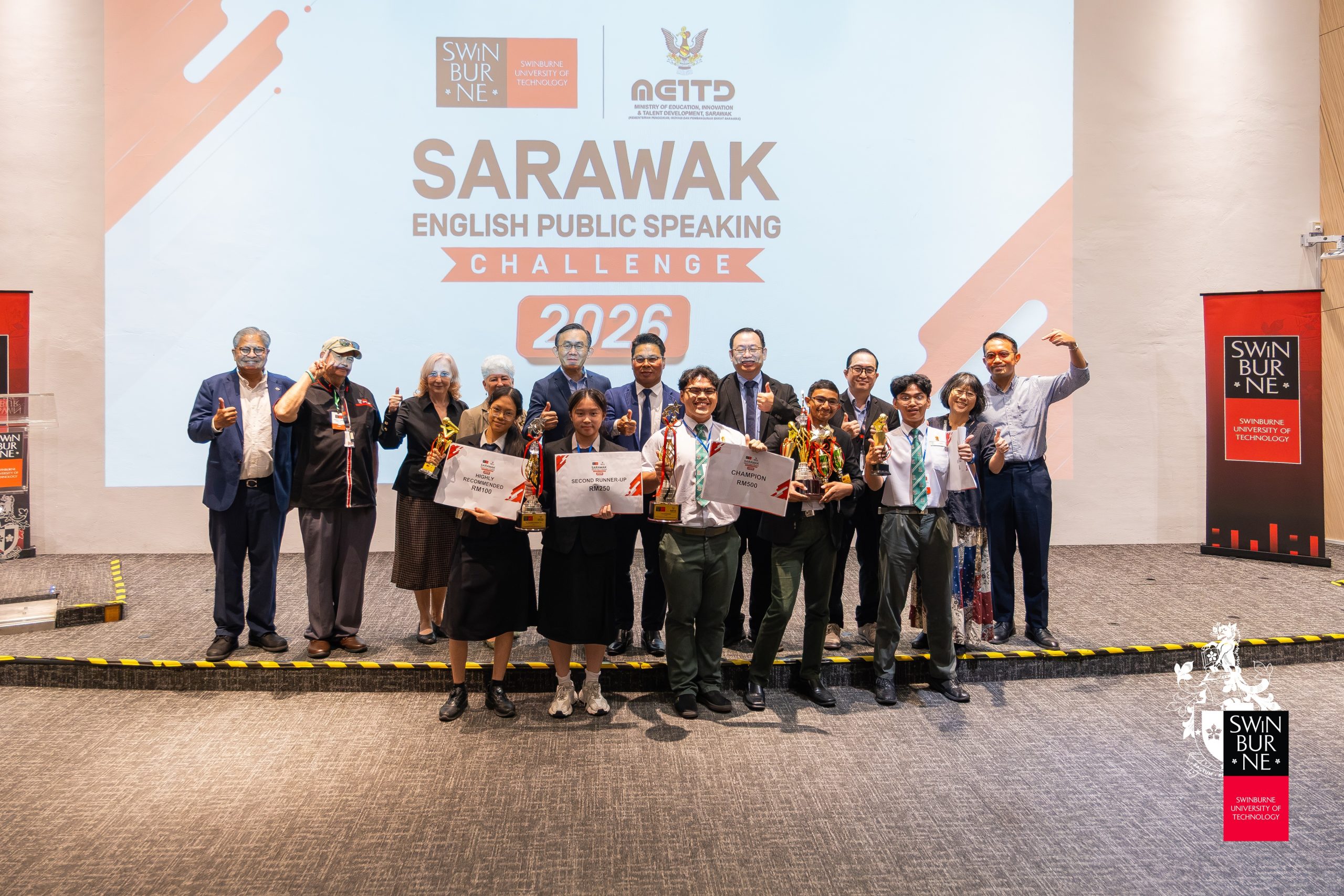
Lau: FTES was launched on Dec 18. It currently covers STEM courses, professional programmes, as well as fields such as accounting and finance, law, and medicine. In total, 22 undergraduate courses at Swinburne University of Technology Sarawak Campus are eligible for FTES. Students enrolled in these 22 courses can apply for the scheme, which has been approved by the Sarawak Ministry of Education, Innovation and Talent Development.
While we have many students enrolled at Swinburne Sarawak, not all of them are eligible for FTES , some may not be Sarawakian. FTES is only for Sarawakians. At Swinburne Sarawak, over 2,000 Sarawakian students are currently eligible for FTES. As the Premier always emphasises, it’s Sarawakian with a ‘K.’ Semester 1 has just started, so this is the first week, and the process is still ongoing. We will know the final numbers as enrolment progresses, but at this moment, the count of eligible Sarawakian students is over 2,000.
So, for those new FTES students, I believe both students and parents are very excited. This is a new experience, and we provide orientation sessions for both students and parents to help them adjust. Parents are encouraged to participate in their children’s learning journey, so they understand what their students are doing at Swinburne Sarawak.
We have had a very good turnout for these sessions.
Tribune: What exactly does FTES cover at Swinburne Sarawak, is it full tuition, partial tuition, or specific programmes?
Lau: FTES covers full tuition of approved courses. Only courses approved under FTES are covered. So other than that, the eligible students for FTES may also receive a stipend, but this has specific criteria. The stipend is for students from households with a monthly per capita income of RM1,500 or less. Students who meet this criterion will receive a RM10,000 allowance, disbursed monthly, and an additional RM5,000 allocation for accommodation through the university. Tuition fees, on the other hand, are fully covered for all students enrolled in approved FTES courses,
Tribune: How can FTES ensure that graduates contribute to Sarawak’s workforce rather than leaving the state after completing their studies?
Lau: Under PCDS, the Sarawak government has been actively working to create high-value jobs. Talents developed through FTES will not just be beneficiaries of economic growth, they will actively contribute to Sarawak’s development. At Swinburne Sarawak, we are proud to support the government by delivering world-class education. Through our programmes, we are able to train graduates who meet the needs of the Sarawak workforce and are prepared for the exciting opportunities ahead.