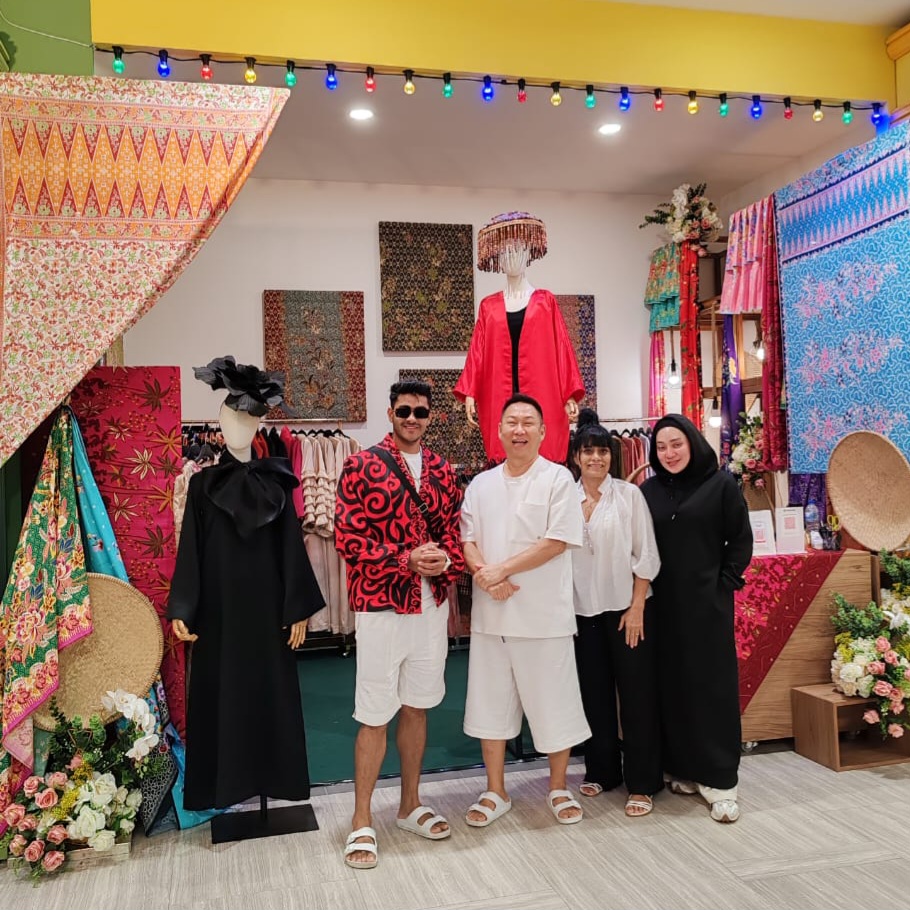
A new generation of Sarawak designers is gaining ground in Malaysia’s fashion scene, blending cultural heritage with contemporary style. Guided by mentorship and driven by creativity, they are shaping distinctive identities while navigating the challenges of a competitive industry.
Mentorship shapes Sarawak’s fashion future
TAKING a holiday in Kuching City, Sarawak, offers a welcome breather for those living in the bustling metropolis of Kuala Lumpur. For many Sarawakians, the capital provides opportunities to pursue higher education, build careers, and realise creative ambitions.
Yet the fast-paced rhythm of Kuala Lumpur can also be overwhelming. Some eventually return home to Sarawak in search of balance, while others remain in the city for decades, carving out successful professional lives.
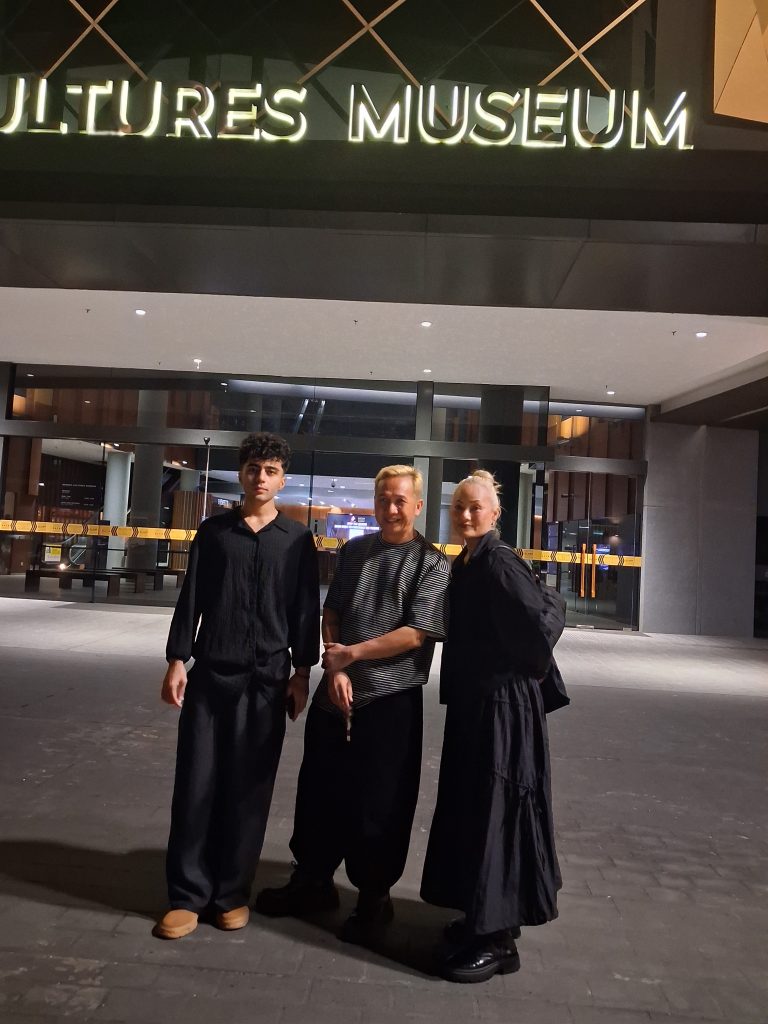
Among them is Iban designer, Gilbert Francis Untam, who hails from Sibu in central Sarawak. I met Gilbert at the Borneo Cultures Museum when a group of designers from Kuala Lumpur, led by veteran designer, Bill Keith, visited Kuching.
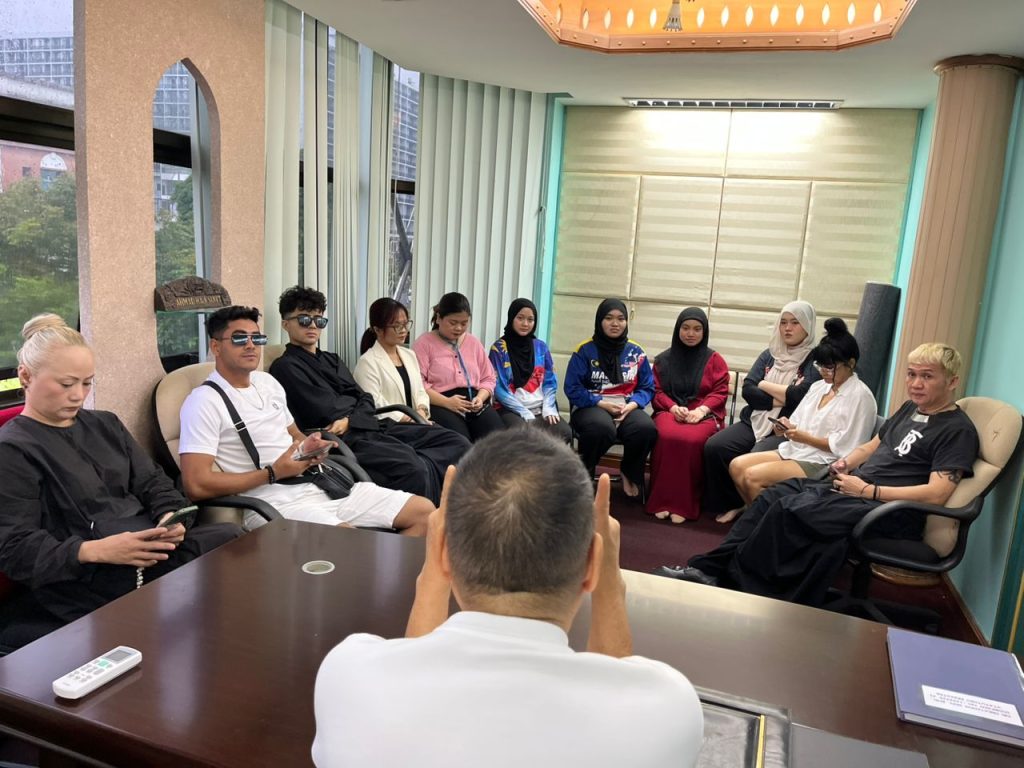
The gathering brought together designers, students and industry enthusiasts, creating an informal yet lively exchange of ideas on fashion, creativity and mentorship.
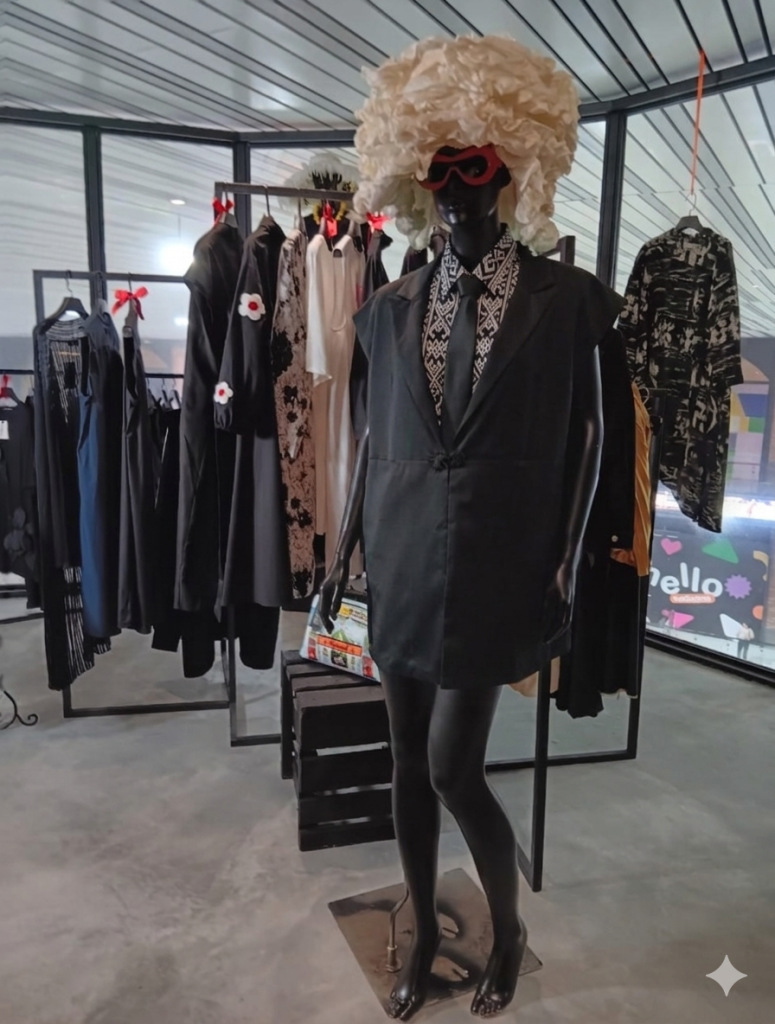
Based at Central Market in Damansara, Gilbert is passionate about creating distinctive pieces that combine designer aesthetics with everyday wearability. His work reflects a bold yet practical sensibility, appealing to individuals who want fashion that makes a statement without sacrificing comfort.
In 2025, Gilbert gained national recognition when he was named a winner in the Ladies’ Shoe Design category organised by the Malaysian Footwear Manufacturers Association (MYFDC).
The accolade highlighted both his creativity and his growing contribution to Malaysia’s fashion design landscape. Through his brand, Gilbert Headhunter, he continues to promote bold style, premium craftsmanship, and innovative design for individuals who appreciate unique fashion statements.
During the visit, I also had the opportunity to speak with his mentor, Bill Keith, a respected figure in Malaysia’s fashion scene who has spent decades shaping and supporting local designers.
What inspired you to mentor designers from Sarawak?
When I graduated from Creative Fashion Technology in Toronto, Ontario, Canada, I was one of the few who completed the programme. I consider myself very fortunate. My lecturers often invited me to their homes on weekends, where they taught me additional skills such as drafting and the finer art of sewing – techniques that could not always be covered during regular class hours.
Perhaps it was because I was always curious and eager to learn more. Their generosity left a lasting impression on me. It was a wonderful feeling to know that there are people willing to share their knowledge, guide you, and help you grow.
When I returned to Kuala Lumpur and opened my small boutique on the ground floor of Sungei Wang Plaza, I did not know anyone in the local fashion industry. For the first few years, I worked largely on my own until I gradually began meeting other designers. Unfortunately, I found many to be rather guarded and reluctant to share ideas or offer guidance.
No one taught me how to run a fashion business. Everything I learned came through experience. Over time, with the support of many magazines in the country, I was fortunate to receive frequent media coverage, including television appearances.
I also had the opportunity to collaborate with organisations such as Tourism Malaysia and PETRONAS. Through these experiences and the connections I built along the way, my journey as a fashion designer flourished, and my name gradually became recognised in the industry.
In 1990, together with my model friend Roslan Wilkinson, we initiated the Malaysian Official Designers Association (MODA). Through MODA, I became even more inspired to support and nurture local talent by sharing my experiences and networks with younger designers.
Designers from Sarawak are particularly unique. The state’s rich diversity of indigenous communities – each with its own cultural identity, motifs and heritage – provides an incredible source of inspiration and design resources. What they often need is guidance, exposure, and support to help them navigate the apparel industry and bring their creativity to the next level.
In your experience, what is the biggest challenge Sarawak designers face when entering the national apparel scene?
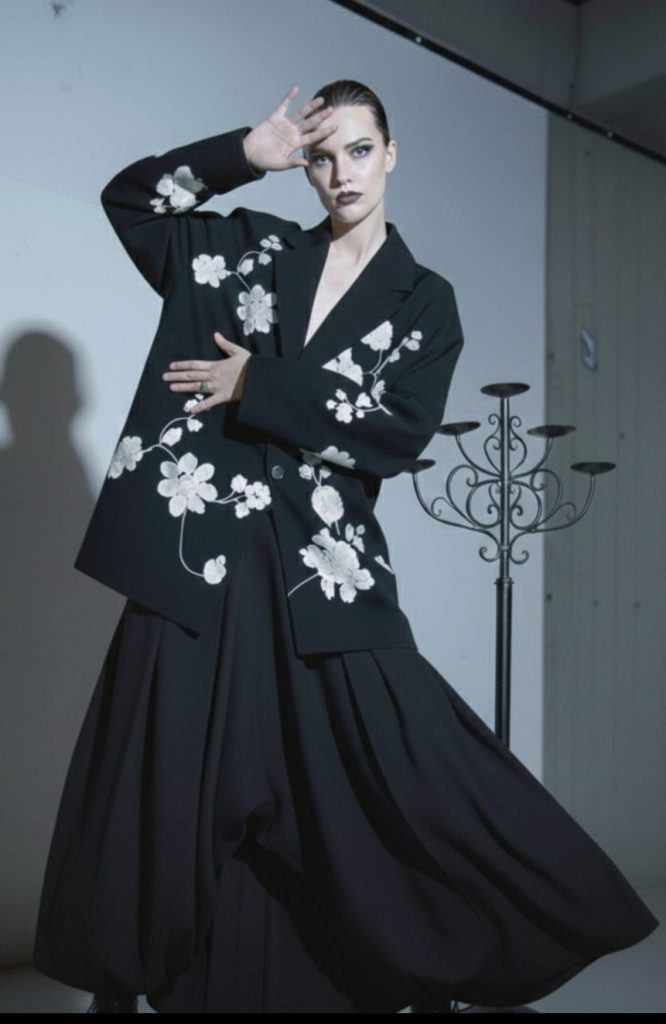
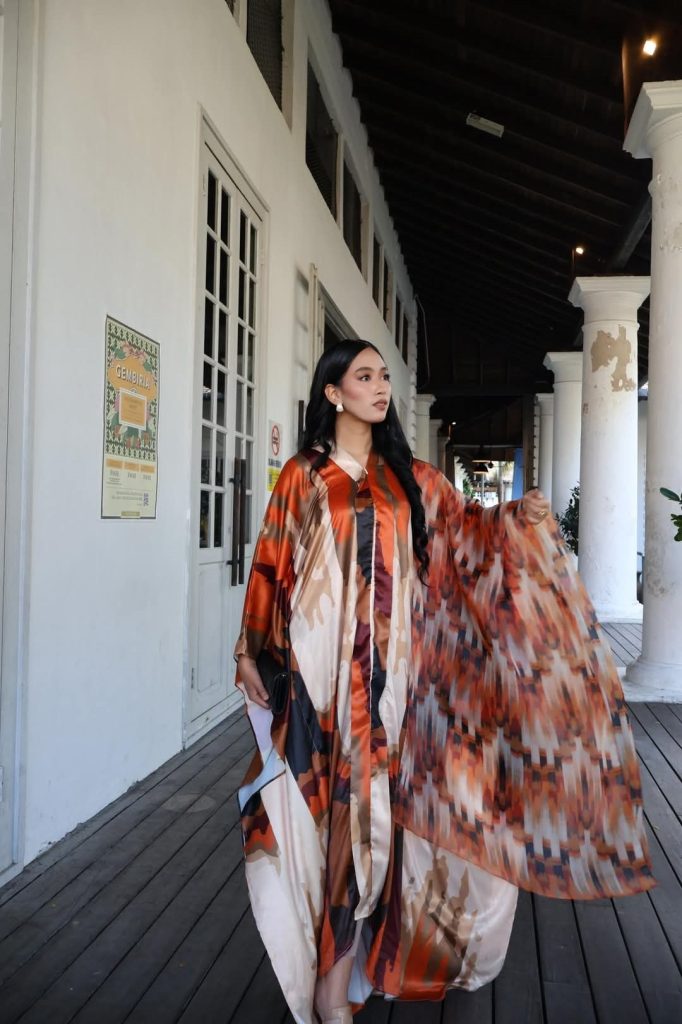
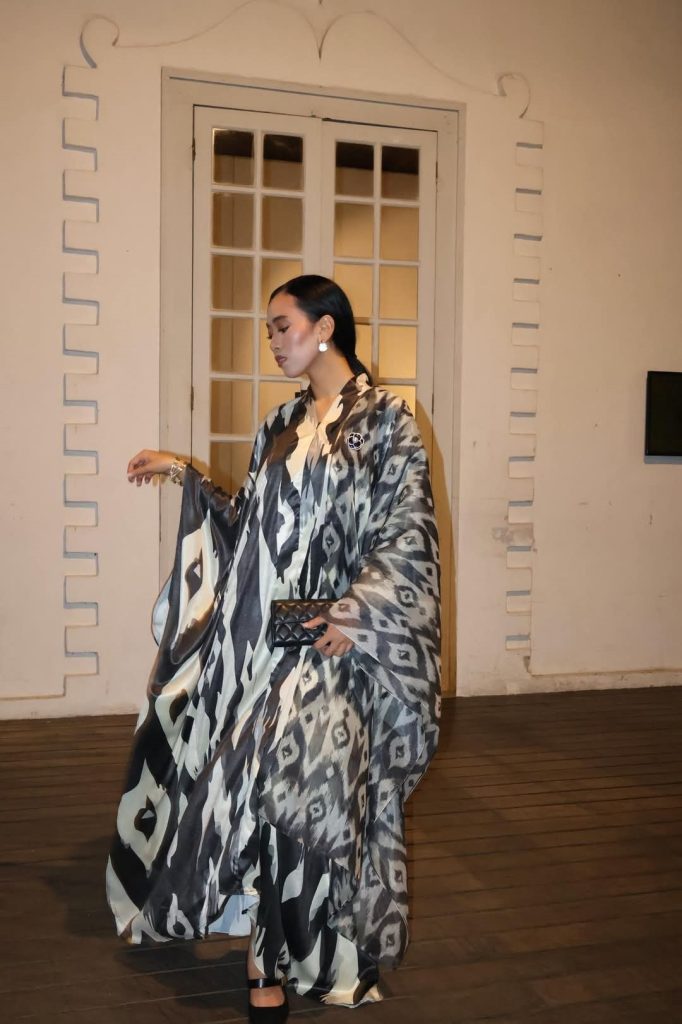
Sarawak designers are highly creative and innovative in their work. There is no doubt about the originality of their designs, especially when they incorporate their own motifs and native colours.
What makes their creations particularly fascinating is the story behind these motifs, as each is often rooted in heritage, symbolism and cultural identity.
When these traditional elements are fused with modern fabrics and interpreted through current fashion trends, the process becomes both exciting and challenging.
The result is a distinctive character that sets Sarawak designers apart from many of their counterparts in Kuala Lumpur. They possess a strong cultural identity that is uniquely their own.
The only setback, perhaps, is the need for greater emphasis on quality, particularly in terms of workmanship, finishing, and the proper application of embellishments. These are skills that improve with time, experience and consistent exposure.
Participation in fashion shows, presentations and industry platforms allows designers to refine their craft and see clear progress in their work.
How important is mentorship in shaping a designer’s career in Malaysia?
During my early years in the industry, there was no one to guide or mentor me. I simply designed, sewed my pieces, and waited for agencies to call for shows. We handled our own marketing, and this was long before mobile phones or social media. All communication was done through landlines or fax machines.
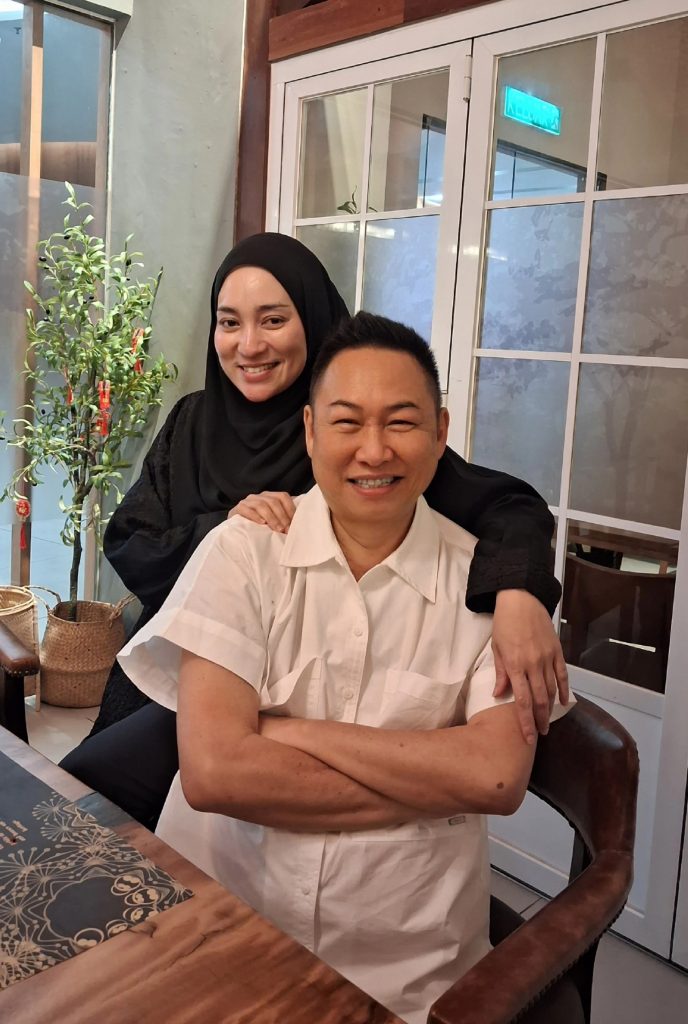
Today, when I mentor new labels, I guide them not only in design but also in marketing and personal sales. In many ways, this helps them avoid the mistakes I made during my own journey.
Of course, mentoring is easier said than done. Some young designers follow guidance closely, while others are less proactive and simply hope their collections will sell on their own.
Shaping a new generation of designers ultimately depends on the individual. Every designer must experiment and learn to understand what works best for their clientele. Sometimes, this even means shifting categories or redefining their design direction.
For newcomers, the most important qualities to cultivate are responsibility, discipline and diligence. Success in the fashion industry demands hard work and persistence – there are no shortcuts.
During his visit to Kuching, Bill Keith also took the opportunity to check on another designer he is mentoring. Raden Nurul Supardi, whose brand MAHARANI by HERA has a Raya pop-up booth at The Spring Mall, welcomed the visit.
At Nurul’s workshop in the Bormill Commercial Centre, Bill also shared insights with a group of interns, offering practical advice drawn from decades of industry experience.
For many aspiring designers in Sarawak, mentorship from established figures like Bill Keith offers more than technical guidance. It provides encouragement, industry insight, and a reminder that creativity – when nurtured with discipline and perseverance – can travel far beyond the borders of Borneo.