WASHINGTON, United States (US): The US road safety authority said it was deepening its investigation into Tesla’s Full Self-Driving (FSD) system over concerns about its performance in poor visibility, reported German Press Agency (dpa).
Analysis of crash data suggests the technology may have problems under such conditions, the National Highway Traffic Safety Administration (NHTSA) said on Thursday.
Tesla chief, Elon Musk, has pushed for vehicles to operate autonomously using only cameras as sensors.
Competitors and many experts have warned that cameras alone may not be sufficiently reliable, particularly in difficult visibility conditions. However, Musk continues to stand by his approach.
Other developers of self-driving vehicles, including robotaxi leader, Waymo, a subsidiary of Google parent, Alphabet, also use more expensive technologies such as laser radar systems to scan a vehicle’s surroundings.
If Musk’s approach proves successful, Tesla could gain a significant cost advantage.
The NHTSA is examining two versions of the system, known as Full Self-Driving (FSD). Despite the name, it currently functions only as a driver assistance system, with drivers required to remain in control at all times.
Tesla refers to one version as “supervised” FSD, which must be monitored by users. A more advanced version, in which vehicles are intended to operate autonomously, is so far available in the US only as a beta test.
According to the agency, Tesla has said the FSD system is designed to detect when cameras encounter visibility issues and to alert drivers.
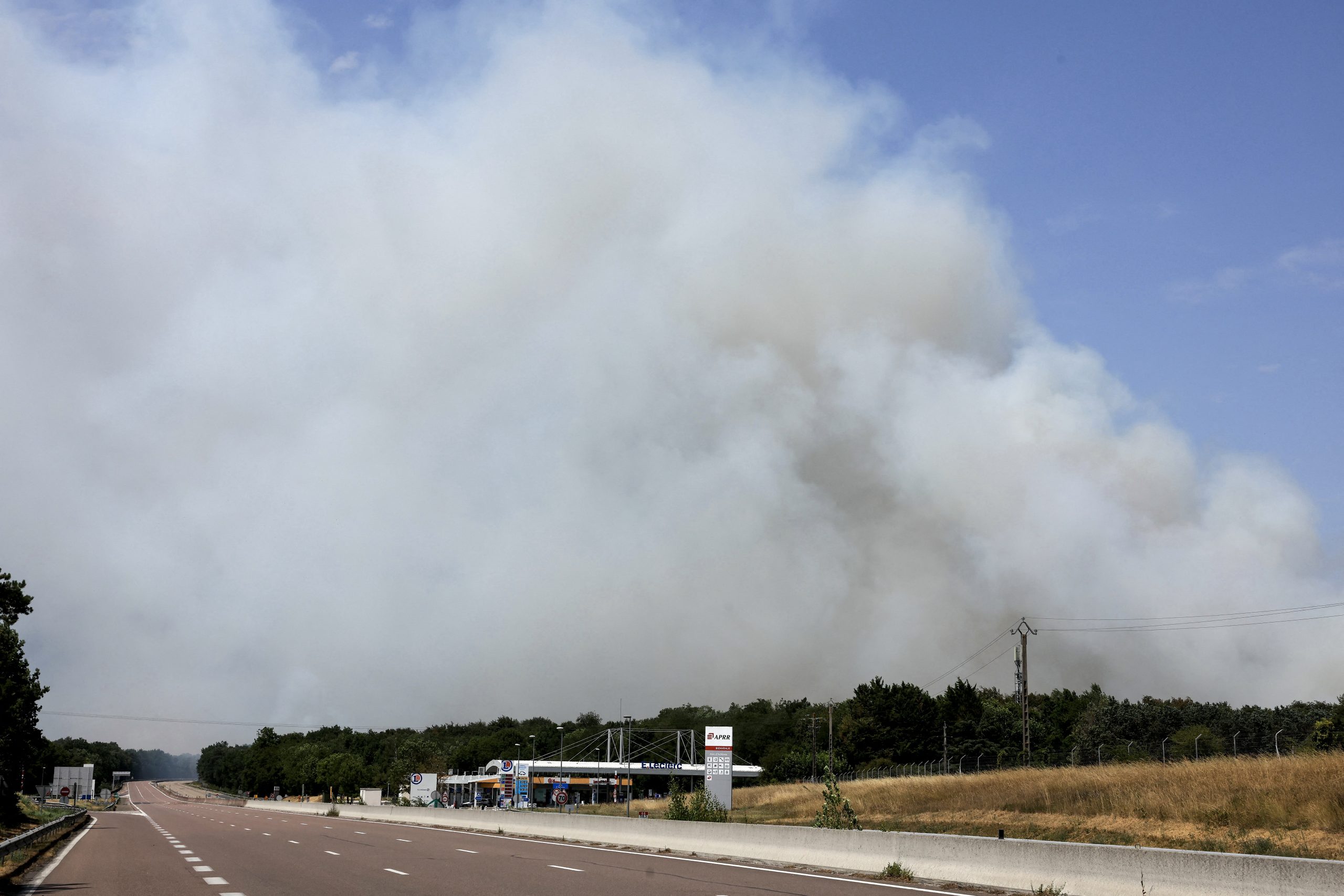
However, in the crashes under review, the system did not recognise when cameras were impaired – for example by glare or airborne particles – and did not issue warnings.
As a result, drivers did not have sufficient time to react, the NHTSA said.
The investigation covers Tesla models produced from 2016 onwards. – BERNAMA-dpa