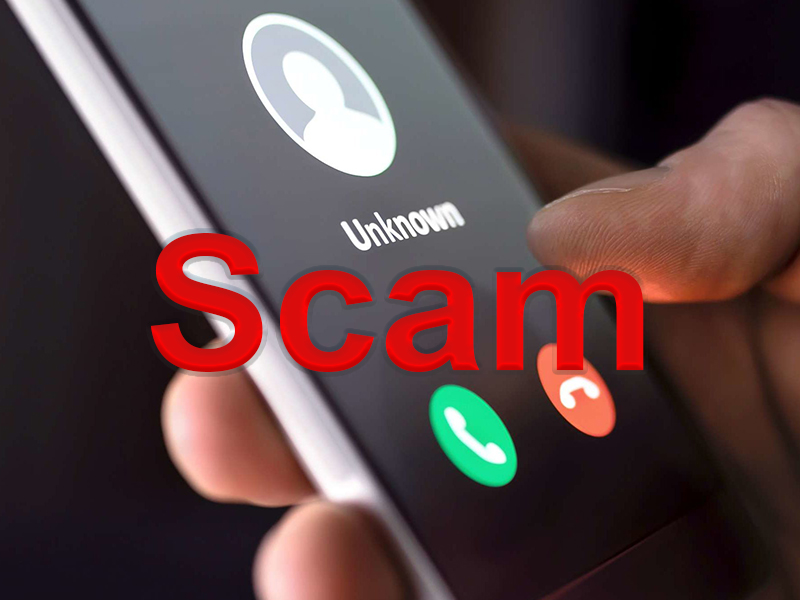
BAU: A 20-something woman lost about RM3,200 after falling victim to a phone scam involving a fake insurance cancellation and refund scheme.
Bau police chief Supt Mohd Haide A. Rahman said the victim, a salesperson, lodged a report on Mar 8 after being deceived by individuals posing as representatives from an e-commerce platform and later a financial authority.
“The incident began on Mar 7 when the victim received a call at her home from a suspect claiming to be from the Taobao platform.
“The caller informed her that she had subscribed to an insurance plan costing RM500 per month for 24 months.
“The victim denied making any such subscription. She was then told that to cancel the insurance, she needed to pay RM2,008.46, which would later be refunded,” he said in a statement.
Believing the claim, Mohd Haide added that the victim made the payment and subsequently received the promised refund, which led her to trust the caller.
“However, on the same day, she received another call from a different number, with the caller claiming to be from Bank Negara. The suspect told her that she needed to complete the cancellation process to secure the refund.
“The victim was then given two different QR codes and instructed to make several payments. She proceeded to carry out five transactions to two separate bank accounts, amounting to approximately RM3,200.
“Until the time the report was lodged, the victim had not received the promised refund,” Mohd Haide stated.
Police believe the syndicate used a common tactic of returning an initial payment to gain the victim’s trust before proceeding to defraud her of a larger sum.
Members of the public are advised not to entertain calls from unknown individuals and to remain calm when confronted with allegations, especially if they have not committed any wrongdoing.
They are also reminded not to disclose banking details or make payments to unverified parties.
Victims of cyber scams are urged to immediately contact the National Scam Response Centre (NSRC) at 997, particularly if they have just made a fund transfer to a suspicious account or e-wallet.
The public is also encouraged to use mobile applications such as Whoscall and to verify suspicious phone numbers or bank accounts through the Commercial Crime Investigation Department’s (CCID) Check Scammers platform or the Semak Mule website before carrying out any financial transactions.
For updates on the latest scam tactics, the public can follow the official social media accounts of the CCID.