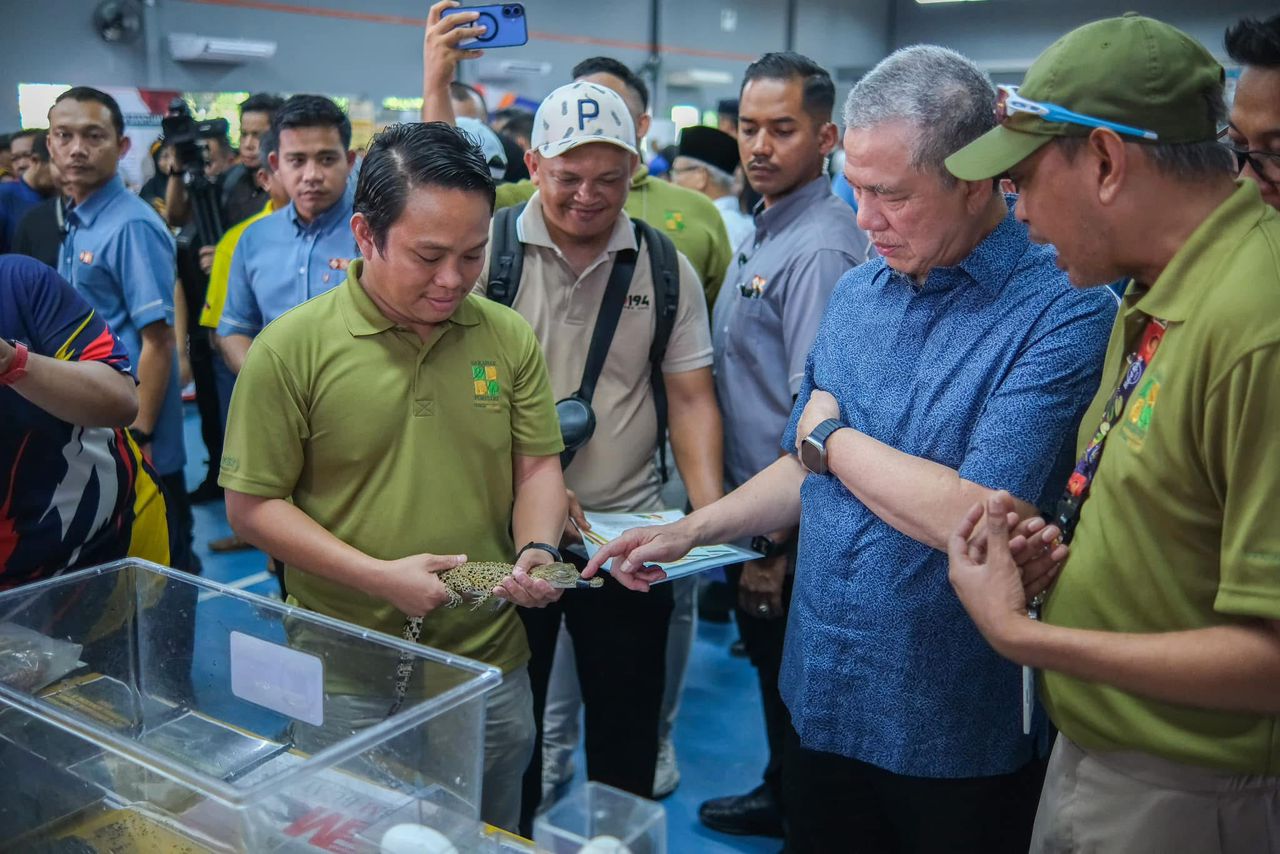
Series Title: The River’s Shadow
THE fear that grips river communities in Sarawak is often reduced to a single image, a crocodile surfacing without warning, silent and lethal.
But for those who study the reptile most closely, attacks are rarely as simple as predator meeting prey.
Behind the fear lies a more complex and evolving reality. Sarawak’s rivers are changing. Human activity is changing. And crocodiles, ancient, resilient and highly adaptable, are changing with them.
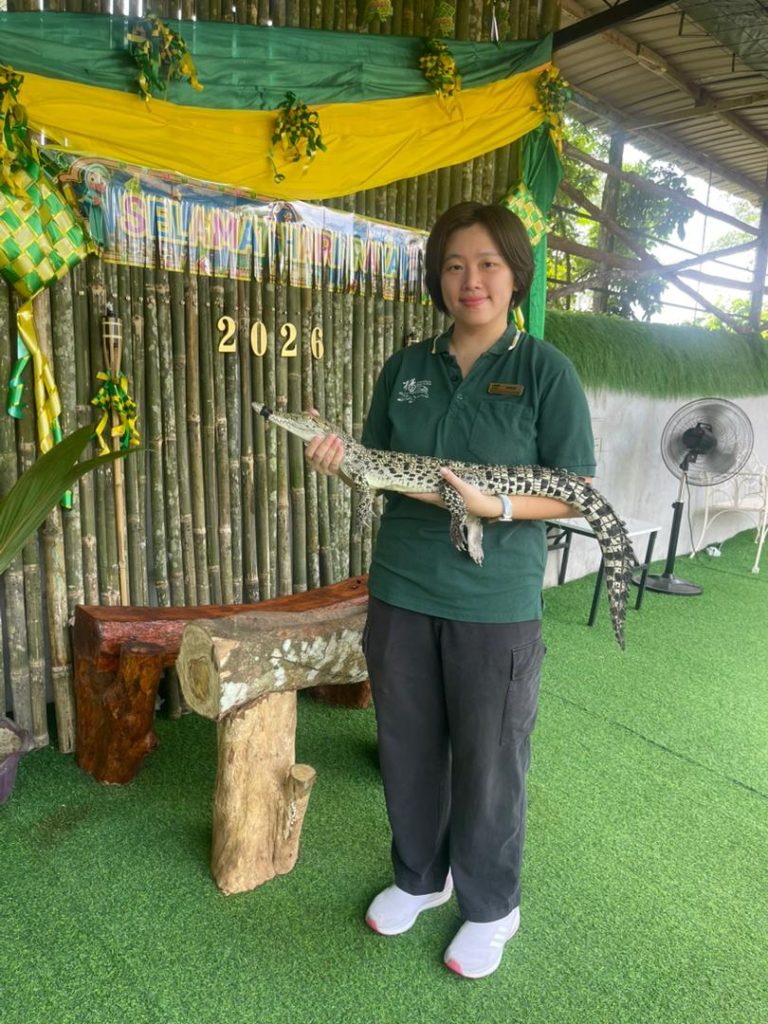
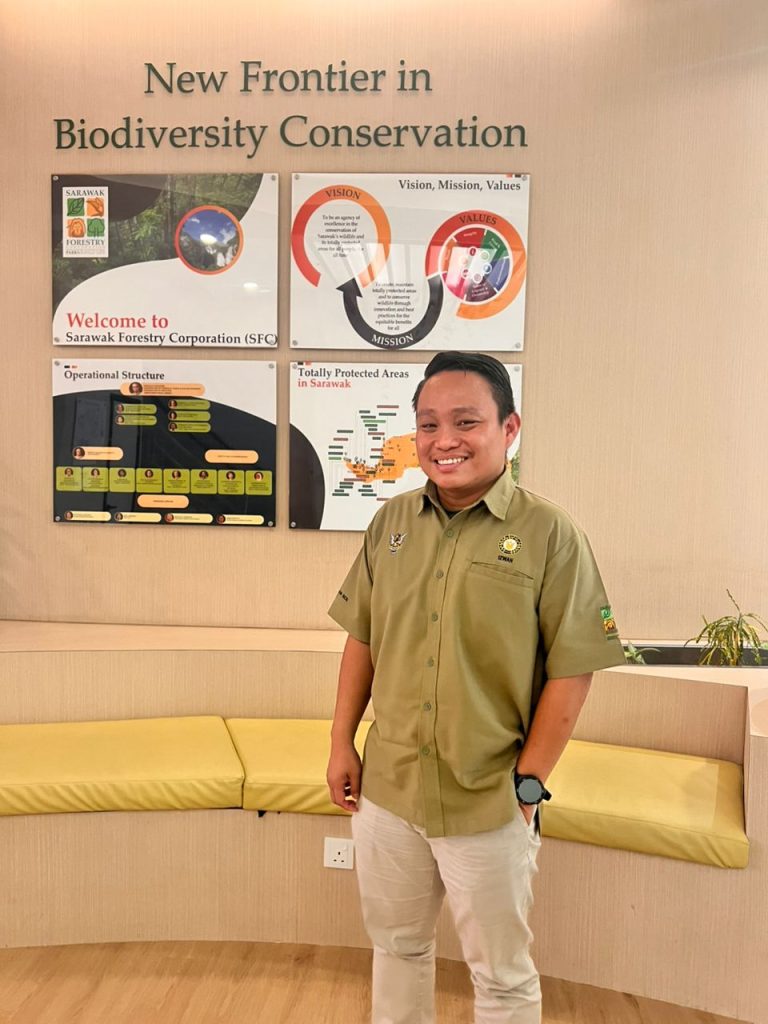
For Dr Mohd Izwan Zulaini Abdul Gani, Sarawak Forestry Corporation (SFC) crocodile specialist, understanding that relationship has been the focus of more than a decade of work.
He has spent over 12 years studying crocodiles, beginning with postgraduate research at Universiti Malaysia Sarawak (UNIMAS), where he pursued his PhD in crocodile research, before joining SFC more than five years ago. Today, he leads key efforts in crocodile management in the state.
Years of fieldwork and research have shaped his understanding of a species often feared, but not always fully understood.
“Crocodiles normally avoid humans,” he said.
However, attacks can occur under certain conditions, when the animal feels threatened, mistakes movement for prey, or when people unknowingly place themselves in risky situations.
Increasingly, those situations are shaped not just by nature, but by human behaviour.
A population on the rise
Statewide surveys conducted between 2022 and 2024 estimate Sarawak’s saltwater crocodile population at around 25,000.
That marks a sharp increase from the estimated 13,500 recorded in surveys between 2012 and 2014, nearly doubling within a decade.
On the surface, the figures suggest a growing threat. But Izwan cautioned against drawing a direct link between population growth and attacks.
“Yes, the number is increasing, but that is not the only factor. Crocodiles can only attack when they have the opportunity, and often that opportunity is created by humans,” Izwan said.
More crocodiles are now being found closer to villages, jetties, fish landing points and plantation areas, places where food sources, waste and daily human activity converge.
Sarawak is home to two native crocodile species.
The most commonly encountered is the saltwater crocodile, locally known as ‘buaya katak’, or Crocodylus porosus, a powerful apex predator responsible for most human encounters.
The second is the Malayan false gharial, known locally as ‘buaya jejulong’. With its long, narrow snout, it feeds mainly on fish and rarely comes into conflict with humans, unless its nest is disturbed.
While both species share the same river systems, their behaviour differs significantly, with the saltwater crocodile posing the greater risk in areas where humans and rivers intersect.
Why attacks happen
Crocodiles are apex predators, built for patience and precision. They rely on ambush, remaining submerged as they stalk their prey before striking with sudden force.
Attacks typically occur under specific conditions.
A crocodile may mistake human movement in the water for prey, react defensively when its territory is disturbed, or strike when startled at close range. In some cases, people unknowingly step into danger, especially in murky or shallow water.
Many encounters are not deliberate acts of aggression, but the result of proximity and opportunity.
This is reflected in the pattern of incidents across Sarawak.
According to SFC data, around two thirds of crocodile attack victims were engaged in fishing or bathing in the river.
Many incidents occur from late afternoon onwards, particularly after 4 pm, when the heat begins to ease and human activity increases, especially fishing, while crocodiles also become more active, raising the likelihood of encounters.
Incidents also tend to increase during public holidays and school breaks, when more people, particularly children, spend time near rivers.
Over the years, children have made up a significant proportion of fatal cases.
“Lately, more attacks have involved children, and about 90 per cent of those cases have been fatal,” Izwan said.
The pattern underscores a difficult truth that familiarity with the river does not always translate into safety.
The dangerous confidence of familiarity
For generations, many Sarawakians have lived alongside crocodiles. In some communities, the animals are tied to cultural beliefs and traditions, viewed with respect and caution. In others, long term coexistence has created a sense of confidence.
But that confidence can be misleading.
“One of the biggest misconceptions is that if no attack has happened before in an area, then it must be safe,” Izwan said.
Crocodiles are not fixed to one place. They move across river systems, particularly during floods or environmental changes. A river that has never recorded an attack can still become dangerous.
Another common belief is that crocodiles will not attack if left undisturbed.
While this may be true in some situations, it is not a certainty.
Crocodiles are opportunistic predators. If the conditions are right, if they are hungry, if movement resembles prey, or if a person enters their territory, they may still attack.
A calm river does not mean a safe river.
When humans teach crocodiles to stay
One of the most troubling patterns observed by researchers is how human behaviour is shaping crocodile behaviour.
Crocodiles are increasingly drawn to areas where rubbish, food waste and animal remains are discarded into rivers.
Post mortem examinations by SFC have revealed the extent of this influence. According to Izwan, crocodiles have been found with plastic packaging, fabric, coins, food waste and even socks in their stomachs, clear evidence of how human activity is altering their diet.
In one case, crocodiles appeared to gather at the same location at a specific time each evening, coinciding with when rubbish was routinely thrown into the river.
“They wait,” Izwan said, describing how crocodiles recognise patterns in human activity, gathering at specific locations and time where food is regularly discarded.
Repeated exposure to such conditions leads crocodiles to associate human presence with food. Over time, they become more likely to remain near jetties, settlements and frequently used riverbanks instead of avoiding them.
This behaviour is not limited to rivers.
In one instance, a crocodile was sighted along a beach, an unusual occurrence that drew public attention.
Further investigation revealed that the animal had likely been attracted there by people who had been feeding it.
A post mortem later confirmed the extent of that behaviour.
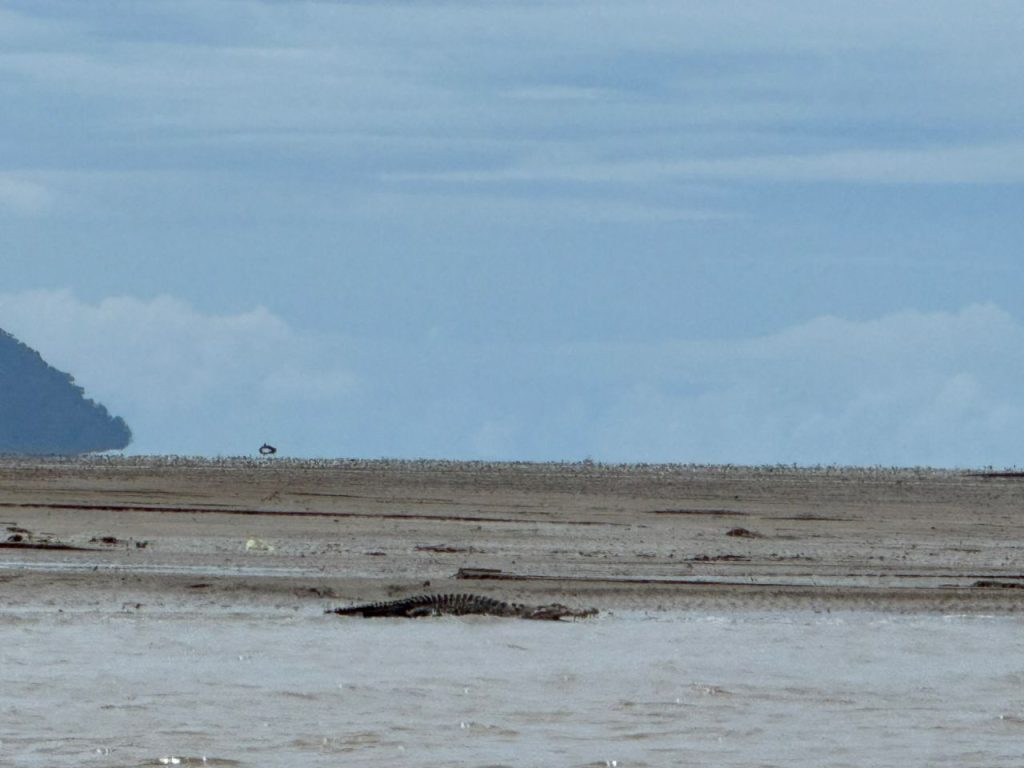
Inside the crocodile’s stomach was a whole processed chicken, the kind sold in supermarkets, cleaned and without feathers, not a natural food source.
For Izwan, the finding was a stark illustration of how human actions can directly influence crocodile behaviour.
“When they are fed, they learn. They will come back to the same place,” he said.
At Jong’s Crocodile Farm, general manager Teoh Yiaqing has observed similar patterns from within a controlled environment.
For her, the issue is not unpredictability, but misunderstanding.
“Crocodiles are aggressive animals. But many people don’t see them that way. They think if they don’t disturb the crocodile, it won’t disturb them,” she said.
That assumption can be dangerous.
While crocodiles may not actively seek out humans, they remain opportunistic predators. If they are hungry or if movement resembles prey, they may still attack even without provocation.
“It’s not always because people disturb them. Sometimes, if the crocodile is hungry and you are there, it will still attack,” she said.
From her experience managing more than 1,000 crocodiles, Teoh said human behaviour plays a significant role in shaping how these animals respond.
Visitors have been known to throw stones, food and other objects into enclosures to provoke movement. Along rivers, similar actions, from dumping food waste to deliberately feeding crocodiles, can produce the same effect.
“When people throw food or rubbish into the water, crocodiles will come. They learn that there is food there,” she said.
A changing landscape
Beyond behaviour, the environment itself is shifting.
Crocodiles are highly adaptable animals, capable of adjusting to changes in their surroundings over time.
“Crocodiles can gradually adapt to modified environments,” Izwan said.
This adaptability is increasingly evident across Sarawak.
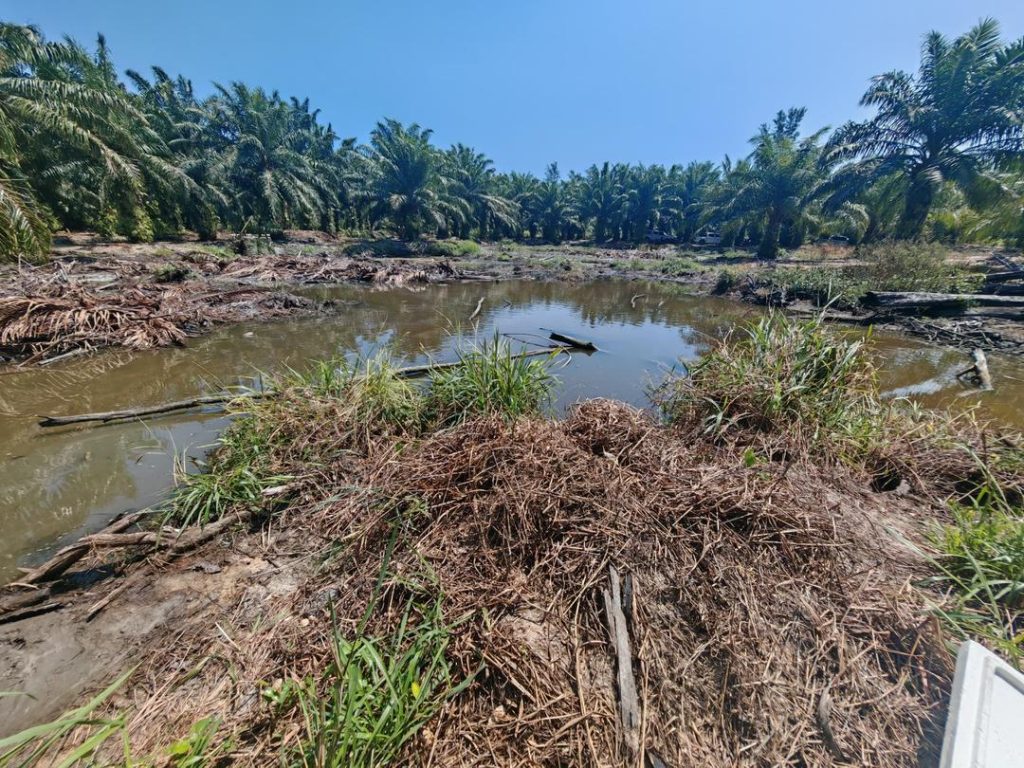
Nesting sites are now being found in altered landscapes such as oil palm plantations and paddy fields, areas that were not traditionally associated with crocodile habitats.
Floods and heavy rainfall allow crocodiles to move further inland, sometimes reaching drainage systems, roads and areas close to human settlements. In plantation areas, drainage networks act as pathways, allowing crocodiles to travel far beyond their original habitats.
There have also been cases of crocodiles appearing in fish ponds, man-made lakes and other artificial environments.
The crocodile is no longer just adapting to the river. It is adapting to the world humans have built around it.
A predator with a purpose
Despite the growing concern, crocodiles remain an essential part of the ecosystem.
As apex predators, they play a critical role in maintaining balance within river systems. They regulate other animal populations and remove weak or sick individuals, contributing to the overall health of the ecosystem.
Without them, the balance of the river could be disrupted.
This presents a difficult reality.
The same animal that poses a threat to human safety is also vital to environmental stability.
Perhaps the most revealing insight lies in what crocodiles are consuming.
What ends up in the water does not disappear. It becomes part of the ecosystem, shaping the behaviour of the animals that live within it.
Pollution does more than degrade water quality. It reshapes ecosystems, alters animal behaviour and draws predators closer to human activity.
Over time, the boundary between the wild and the human world becomes less distinct.
If Part 1 of this series captured the fear along Sarawak’s riverbanks, Part 2 reveals something more unsettling.
The danger is not simply waiting beneath the surface.
In many cases, it is being shaped, and sometimes invited, by the way people interact with the river itself.
And as crocodiles continue to adapt, the question is no longer just how to avoid them.
It is whether humans are willing to change the habits that bring them closer.