KUCHING: Sarawak’s long-term energy security strategy is anchored in a phased transition towards renewable energy, as global crises continue to expose vulnerabilities in conventional fuel supply.
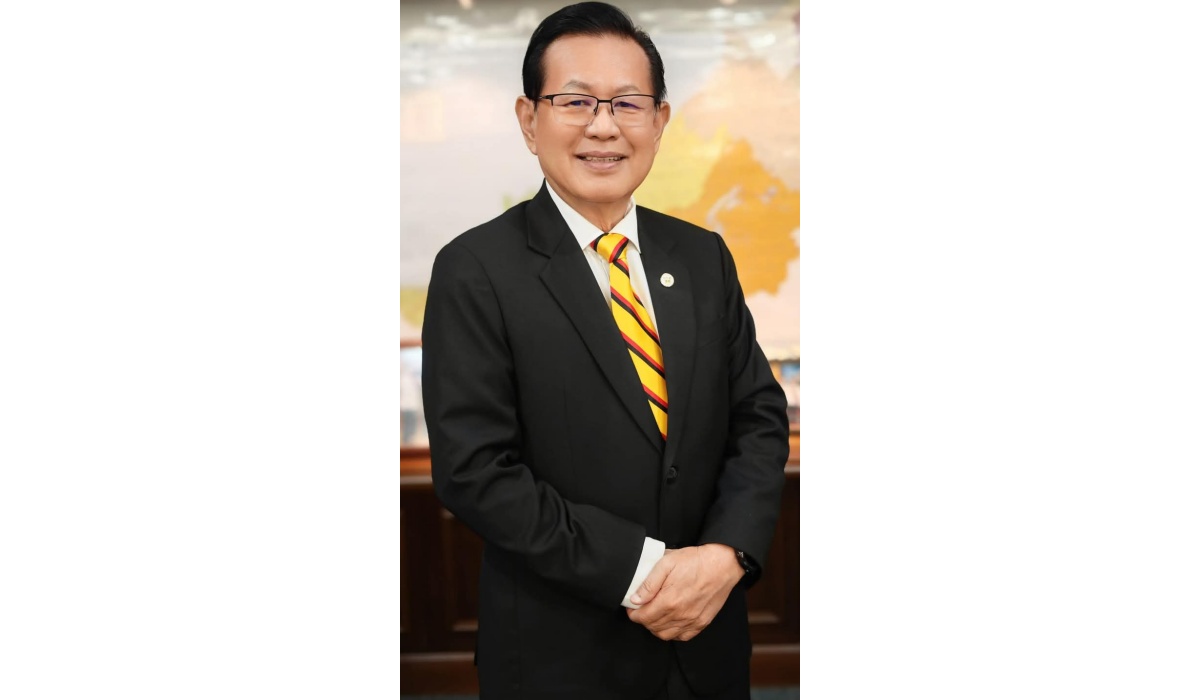
Deputy Minister for Energy and Environmental Sustainability, Datuk Dr Hazland Abang Hipni said the state had already positioned itself ahead of the curve through early adoption of energy transition policies.
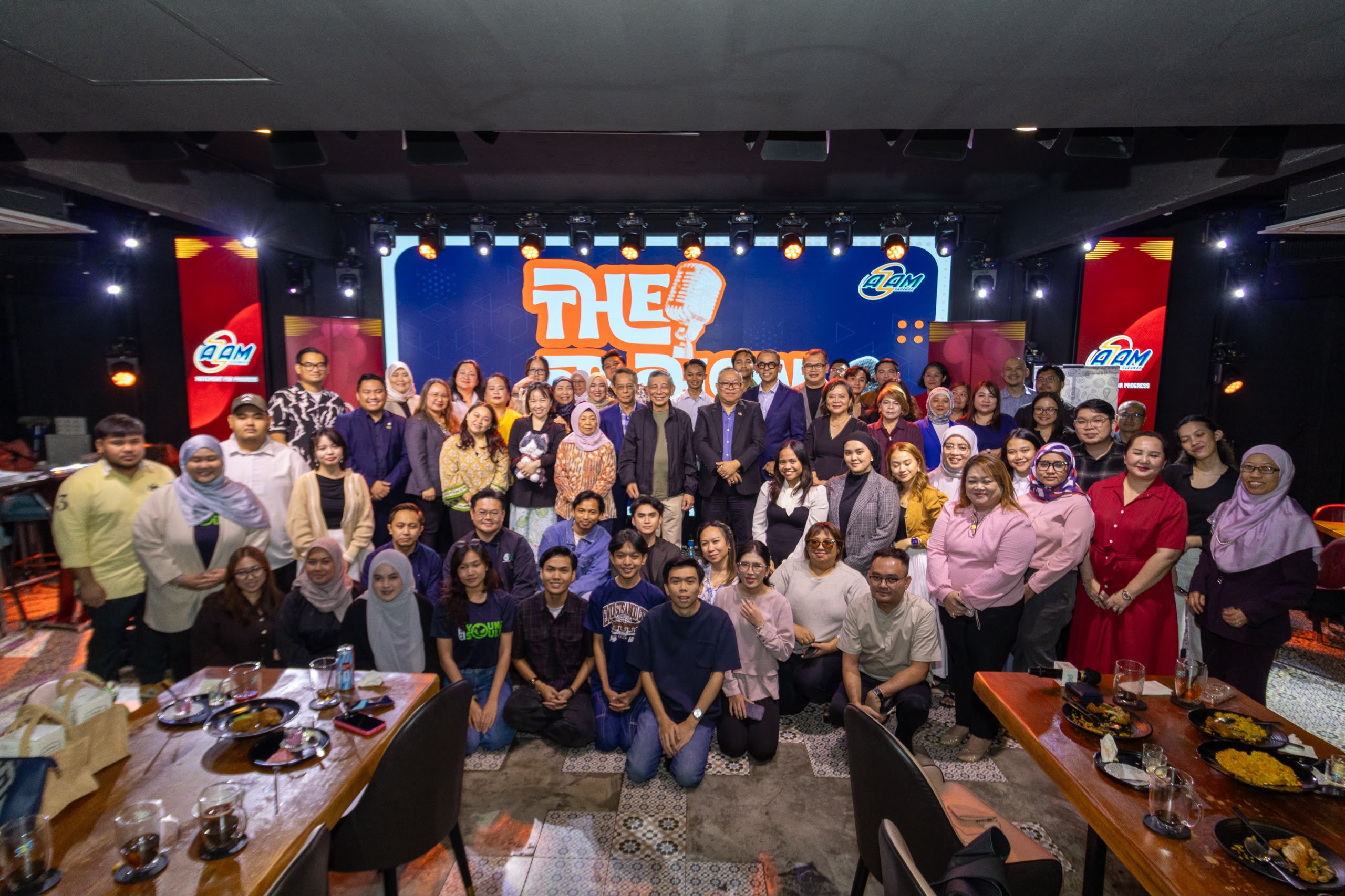
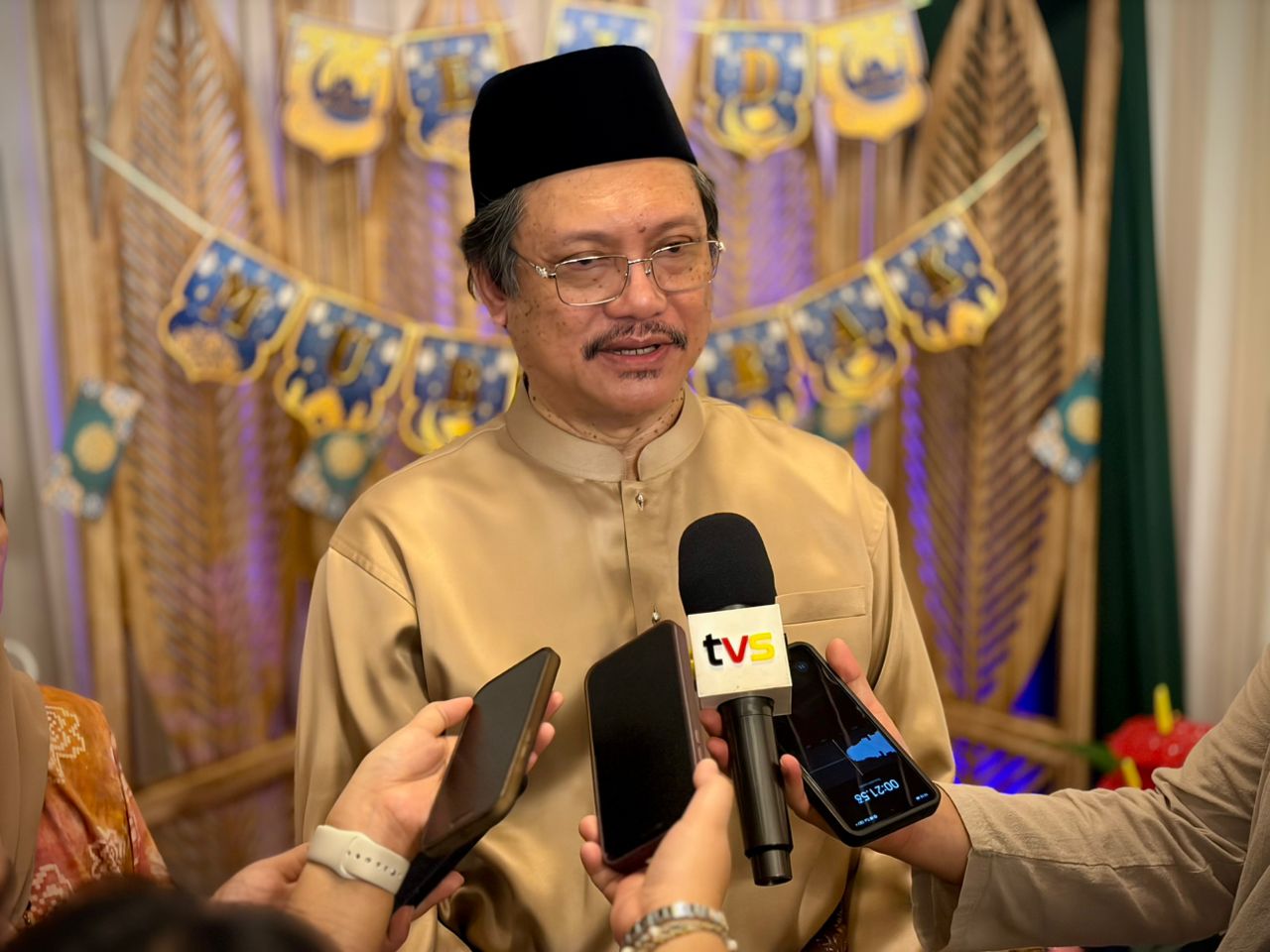
Speaking to reporters during his Hari Raya open house at the Kesuma Resort Club House here today (Mar 29), he said conflicts in the Middle East and Ukraine have underscored the urgency of reducing dependence on oil and gas.
“Our policy direction has long focused on energy transition, which is now becoming a turning point globally in identifying and developing alternative energy sources,” he said.
Dr Hazland said Sarawak’s rich natural resources provide a strong foundation for renewable energy expansion, particularly in hydropower, solar and emerging sectors such as green hydrogen and methanol.
He added that while energy supply concerns remain relevant, the state is in a comparatively stronger position than many other regions.
“We still need to be cautious, but the level of concern is not as severe as in other countries,” he said.
Outlining the state’s roadmap, Dr Hazland said the transition would take place in three phases, beginning with short-term measures over one to three years, including reducing fuel consumption and optimising existing oil and gas use.
This will be followed by a transitional phase of three to five years, where both conventional fuels and renewable energy sources are utilised concurrently.
“The transition could take between 10 and 15 years,” he said.
The final phase will see a large-scale shift towards green energy as Sarawak strengthens its long-term sustainability goals.