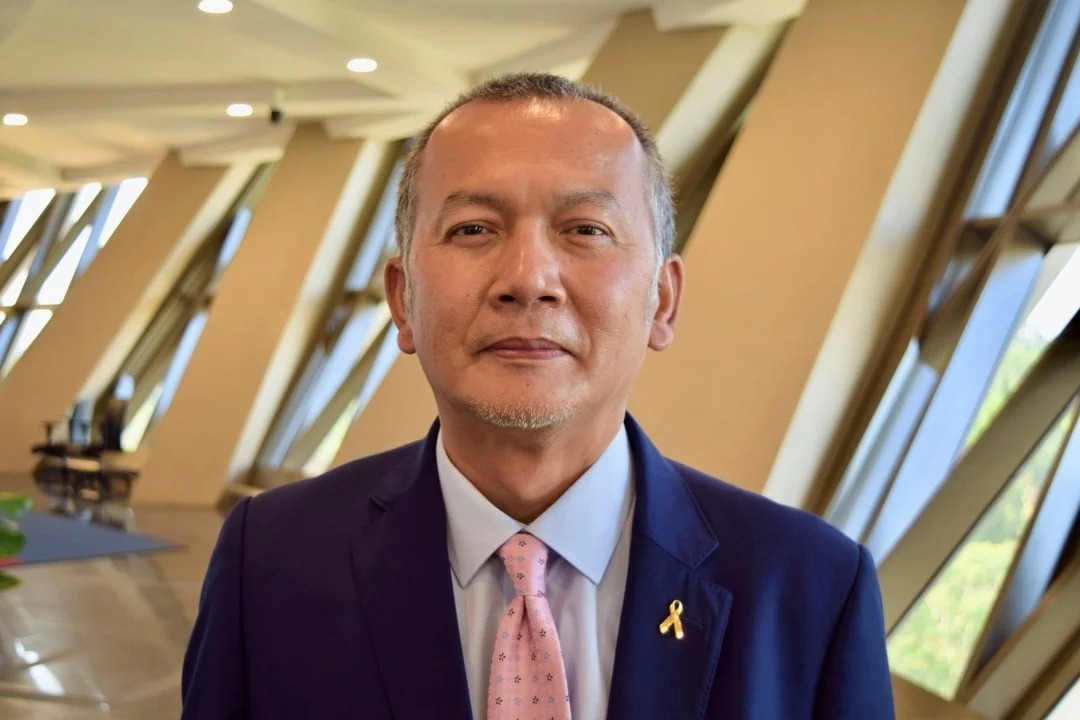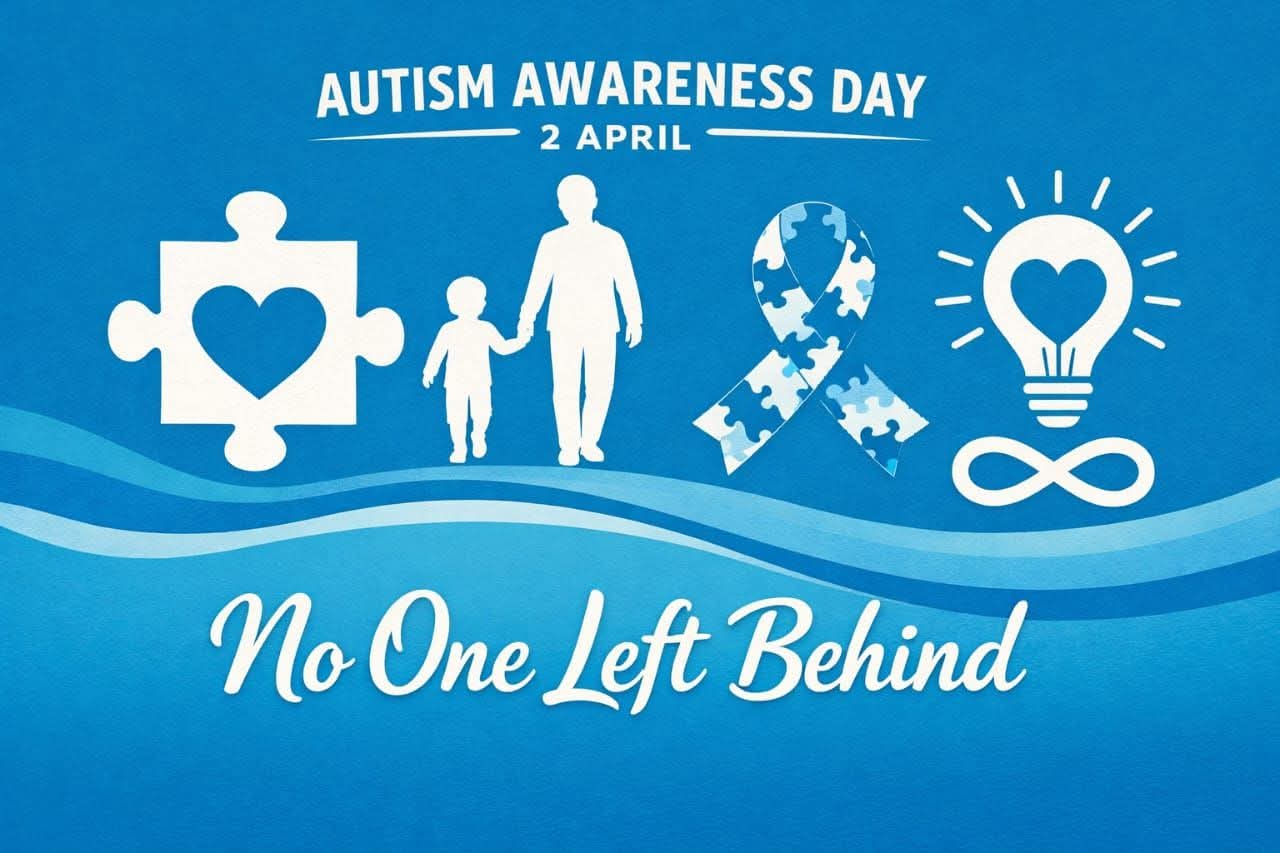
KUCHING: A shift in perspective, from judgment to curiosity and from correction to connection is crucial in understanding individuals on the autism spectrum, said Mental Health Association Sarawak (MHAS) Kuching branch chairman Dr Ng Boon Seng.
Drawing from his experience as a child and adolescent psychiatrist, Dr Ng emphasised that autism should not be viewed through the lens of deficits, but as differences that require empathy and deeper understanding.
“Many individuals on the spectrum are often misunderstood and labelled unfairly as “difficult”, “withdrawn”, or “rigid”, when in reality they may be overwhelmed, coping in their own ways, or seeking stability in a fast-paced and demanding world.
“Autism is not a problem to be fixed, it is a perspective to be understood,” he said in a Facebook post in conjunction with Autism Awareness Day.
Dr Ng highlighted that a lack of understanding can lead to serious consequences, including missed opportunities, overlooked potential, unheard voices, and individuals being pushed to the margins of society.
He stressed that many autistic individuals, from children to adults, desire connection and belonging, but may struggle to navigate social rhythms that others take for granted.
“Over time, repeated misunderstandings can leave lasting impacts.
“Three key elements understanding, support, and acceptance are essential in ensuring individuals on the spectrum can thrive with dignity,” he added.
He also pointed out that awareness alone is insufficient, calling instead for inclusive action across all levels of society, including schools, workplaces, and communities.
“Every individual on the autism spectrum deserves to be included not as an afterthought, but as part of us,” he said.
Dr Ng urged the public to play their part by being more empathetic, whether as teachers, parents, friends, or colleagues, and to create an environment where individuals feel accepted without conditions.
He added that meaningful change begins not by trying to change individuals on the spectrum, but by changing how society perceives and supports them.
“No one left behind,” he said.