MOSCOW: The Philippine government intends to begin diplomatic talks with Iran to ensure the unimpeded passage of oil cargo through the Strait of Hormuz, reported Sputnik/RIA Novosti quoting a Philippine News Agency report, citing presidential spokesperson Claire Castro.
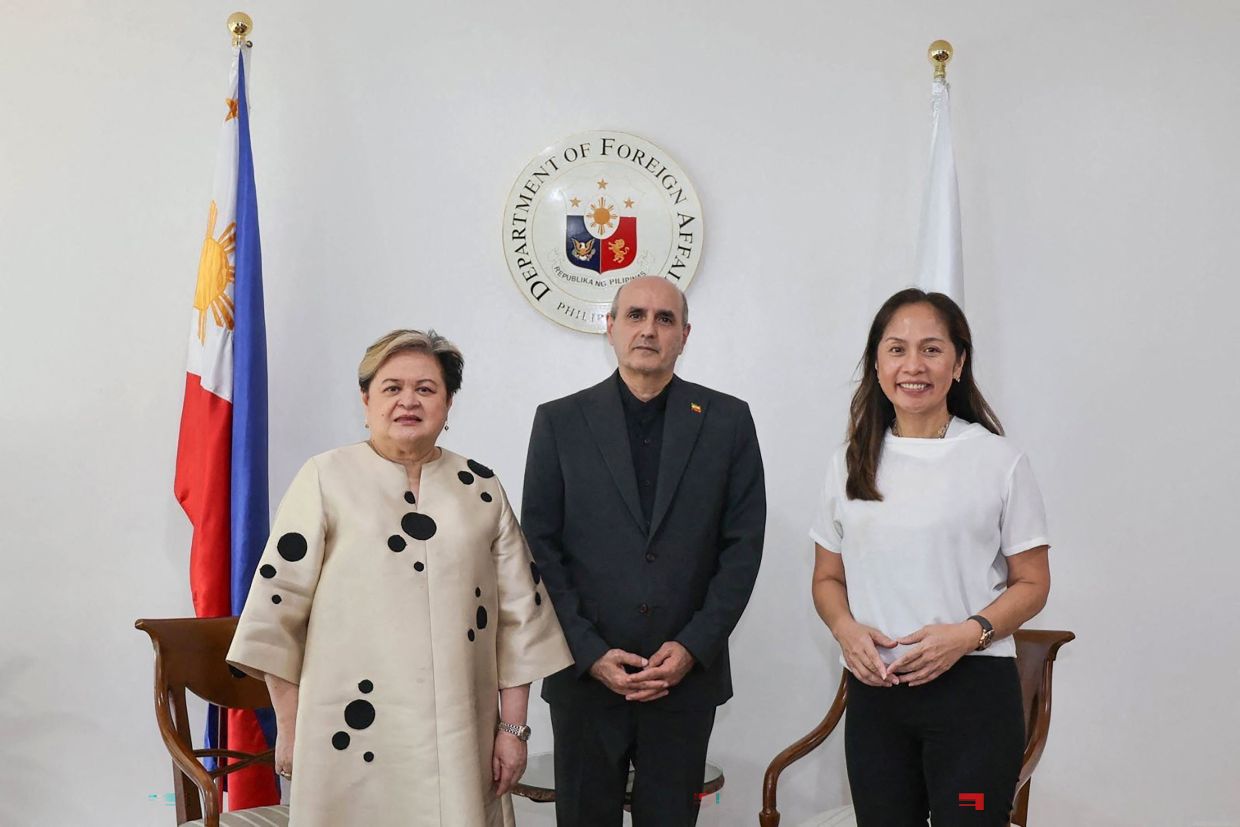
Philippine President Ferdinand Marcos Jr had instructed the foreign ministry to lead the effort to ensure the security of the country’s energy supply, the report read.
“The President has already instructed Secretary Tess Lazaro… she will speak with the Iranian ambassador, most likely tomorrow. If not, by next week,” Castro was quoted as saying by the news agency on Tuesday.
On February 28, the United States and Israel launched strikes on targets in Iran, including in Tehran, causing damage and civilian casualties. Iran responded by striking Israeli territory and US military facilities in West Asia.
The escalation around Iran has led to the de facto blockade of the Strait of Hormuz, a key route for deliveries of oil and liquefied natural gas from the Persian Gulf countries to the global market, and has also affected the level of oil exports and production in the region, driving up prices. -BERNAMA-SPUTNIK/RIA NOVOSTI