LIMBANG: Sarawak’s long-standing unity among its multiethnic population remains a key driver of the state’s rapid development, enabling the smooth implementation of infrastructure and economic initiatives that benefit the people.
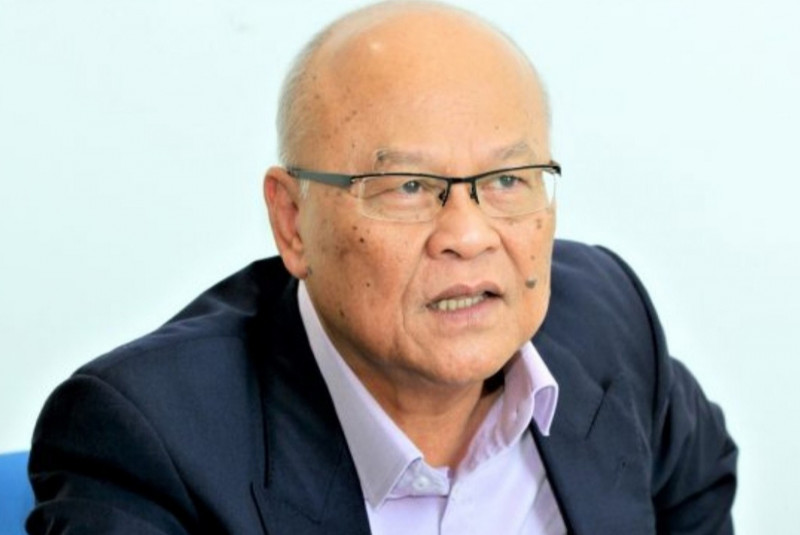
Deputy Minister for Food Industry, Commodity and Regional Development Datuk Dr Abdul Rahman Ismail said the state’s ethnic diversity should be embraced as a strength rather than viewed as a barrier, as it fosters harmony and stability within society.
According to him, the prevailing spirit of tolerance allows the government to focus on improving essential infrastructure such as roads, water supply, electricity and telecommunications, which continue to be progressively upgraded.
“In Sarawak, there are about 28 official ethnic groups while Sabah has 35 and Peninsular Malaysia has four main groups. Even with these differences, our communities remain cohesive.
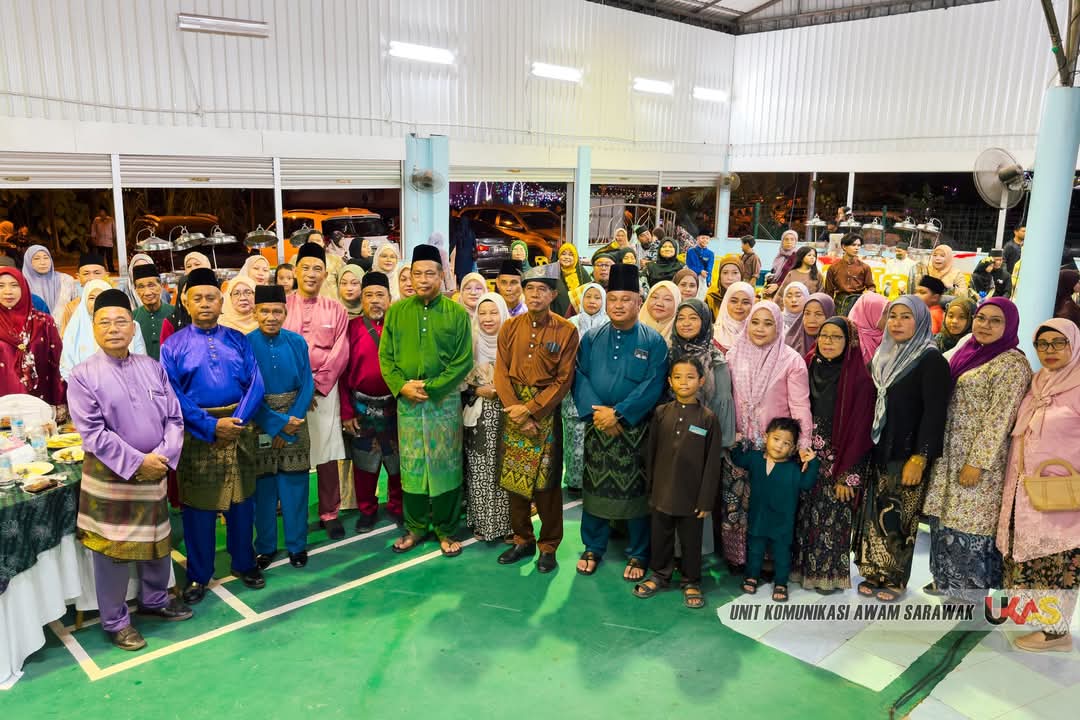
“Such tolerance enables us to direct our attention towards fundamental development including roads, water supply, electricity, and telecommunications,” he said when addressing the Kampung Limpaong Aidilfitri Gathering at Dewan Setia Kampung Limpaong here recently.
The Bukit Kota assemblyman added that efforts to strengthen transportation networks are being intensified through the Sarawak-Sabah Link Road (SSLR) project, which will provide a direct route between the two states without passing through Brunei.
He said the project is expected to be completed as early as 2028 or by 2030 at the latest, and is anticipated to spur economic growth by facilitating trade and the movement of goods.
Dr Abdul Rahman also highlighted Limbang’s growing potential as a strategic location, particularly with the rise in visitors from Brunei following the opening of the Temburong Bridge.
He noted that the development has boosted local businesses, especially in the food and restaurant sector, benefiting both entrepreneurs and residents.
In this regard, he urged the community to seize available opportunities by expanding economic activities while maintaining strong ties with neighbouring countries for mutual benefits.
He also emphasised the importance of education among the younger generation, particularly bilingual proficiency in Malay and English, alongside academic excellence.
He added that the introduction of free education at state-run universities this year is expected to create greater opportunities for Sarawakian youths to pursue higher education.
On rural development, Dr Abdul Rahman said efforts to improve basic amenities, including irrigation systems, remain a priority to safeguard the wellbeing of rural communities.
He also announced an allocation of RM300,000 under the 2027 Rural Transformation Project (RTP) to upgrade the drainage system at the surau, hall and KEMAS preschool in Kampung Limpaong.
Additionally, Minor Rural Project (MRP) grants amounting to RM5,000 each were disbursed to the Village Development and Security Committee (JKKK) and the Surau Committee this year.