By Raihanah Reduan
KUCHING: The Meow Autism Fun Run here on Sunday(April 12), brought together families and the wider public in support of autism awareness.
The involvement of the community, along with parents of children on the spectrum, highlighted the programme’s importance in fostering understanding and acceptance within society.
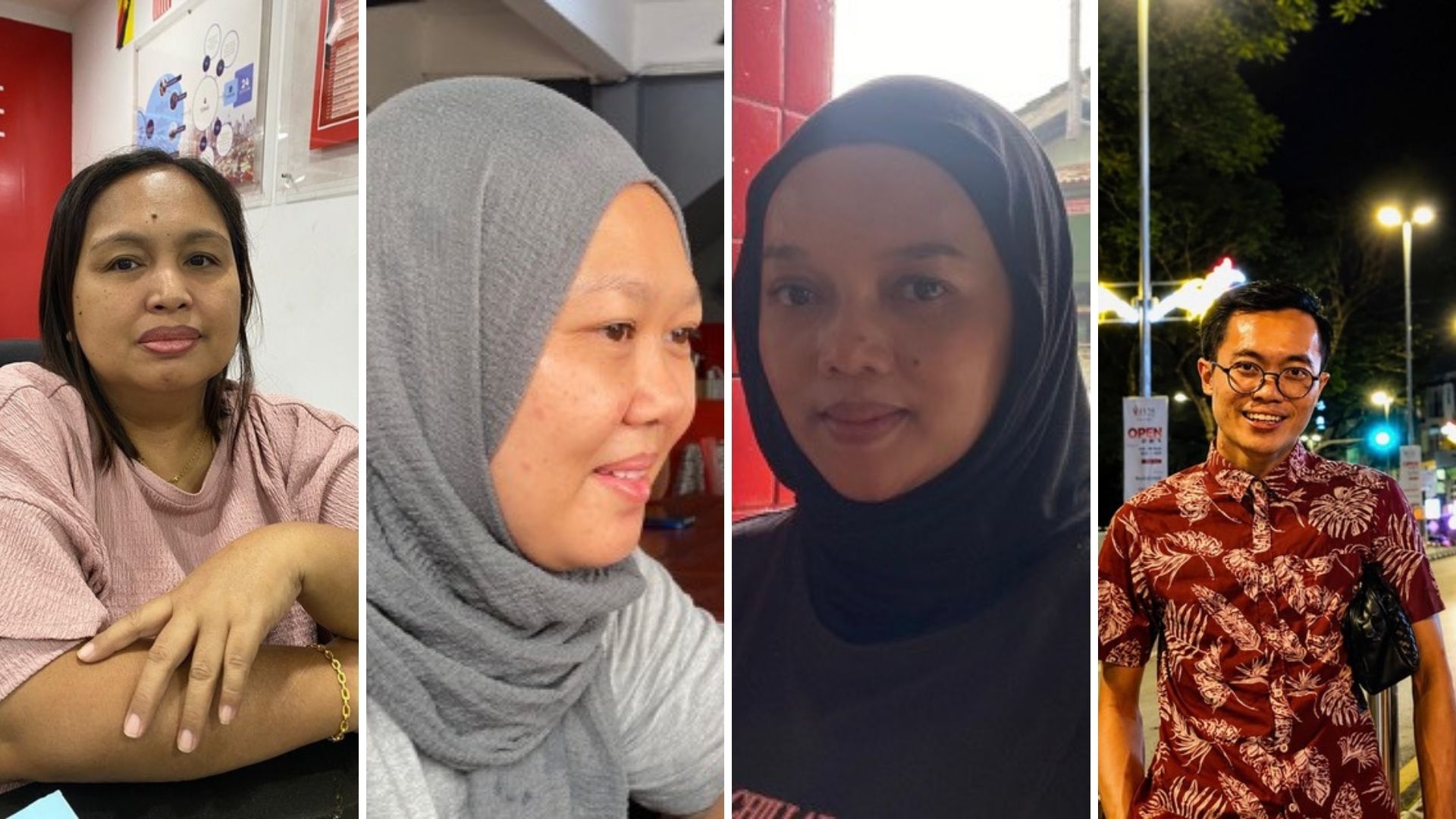
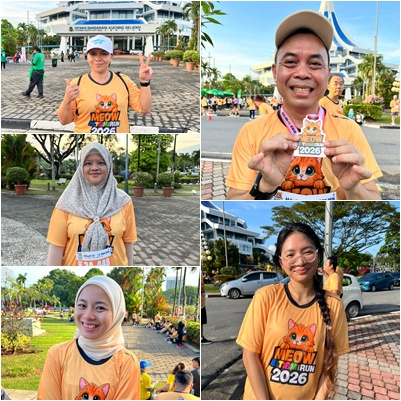
In interviews with Sarawak Tribune, participants share the importance of autism awareness.
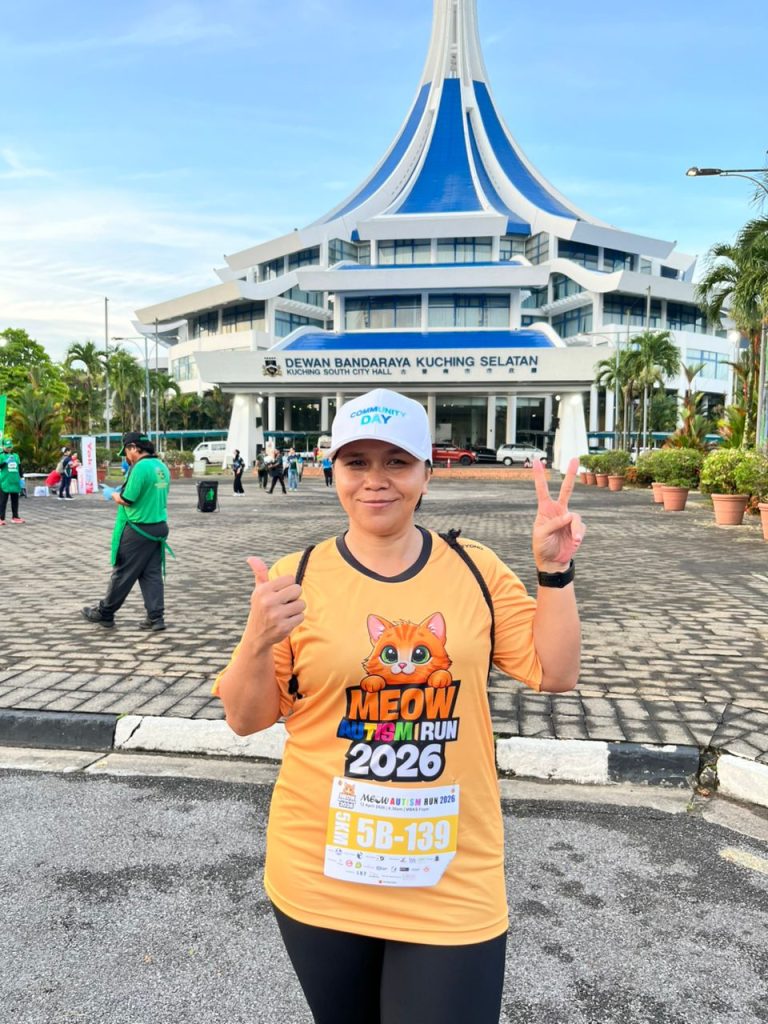
NORHUSNINA ABDULLAH, 44:
Many people are not aware of the autism community, so this programme becomes a space to introduce this community.
The public often gives confused looks and appear puzzled when I bring my child to public spaces, as they are unaware of my child’s condition.
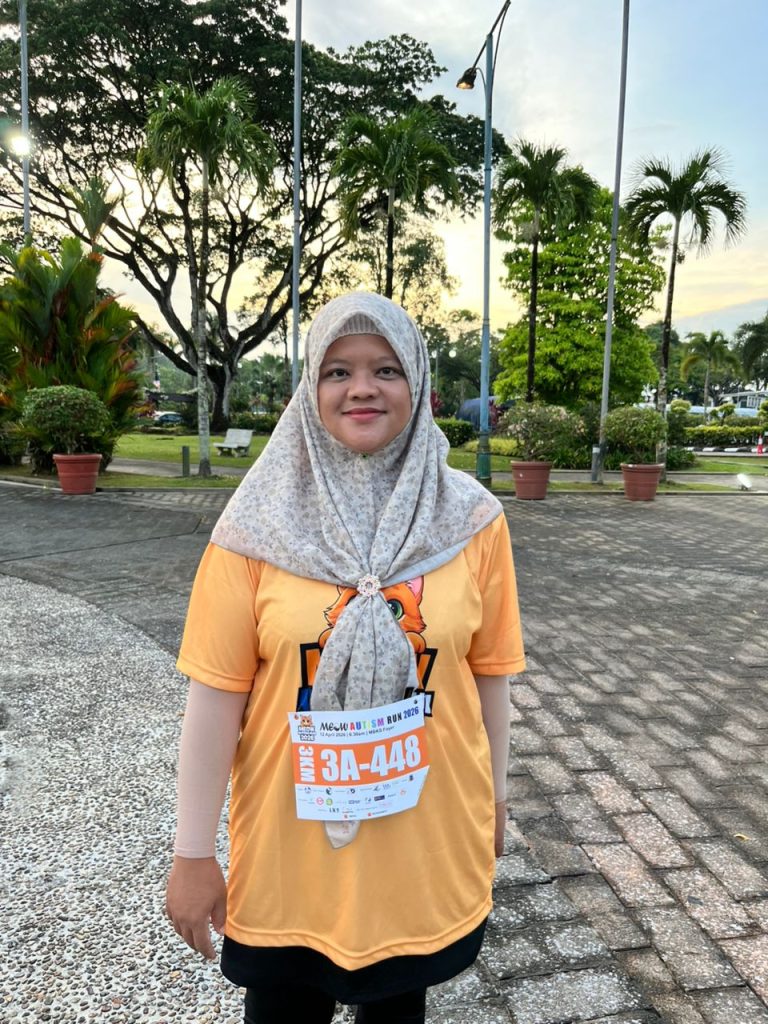
Programmes specifically tailored to them like this are important, as it helps them grow, while initiatives like this also raise funds that are channelled towards activities that support them.
NORADILLA KAMISNO, 44:
I always take part in these kinds of programmes because the autism and deaf communities bring meaningful contributions that benefit society, particularly in the field of education.
The availability of such programmes at no cost also plays a significant role in enhancing their learning opportunities and supporting their overall educational development.
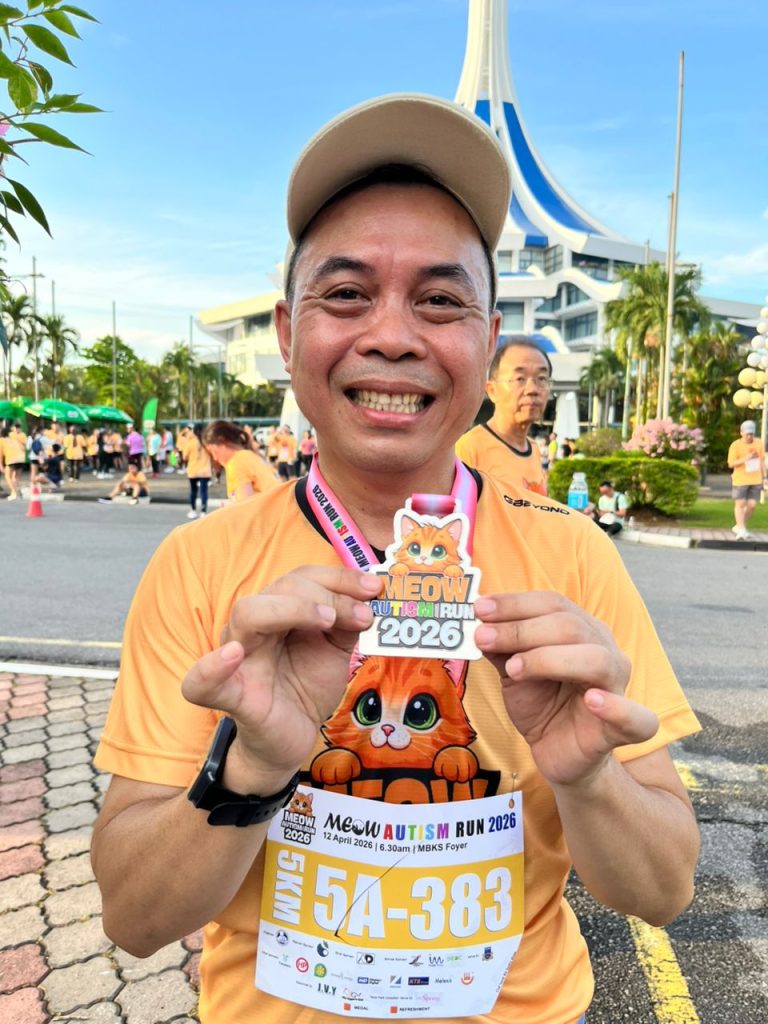
GANYUN MOOARI, 46:
This Meow Autism Fun Run helps to relieve stress, allows us to socialise with the community, maintain my health, and also support people with disabilities.
As a special education teacher, I actively encourage others on social media to participate in such initiatives to raise awareness while staying active.
I believe that many people still do not fully understand autism due to limited exposure. Which is why it is important for programmes like this to help increase public awareness and familiarity with the condition.
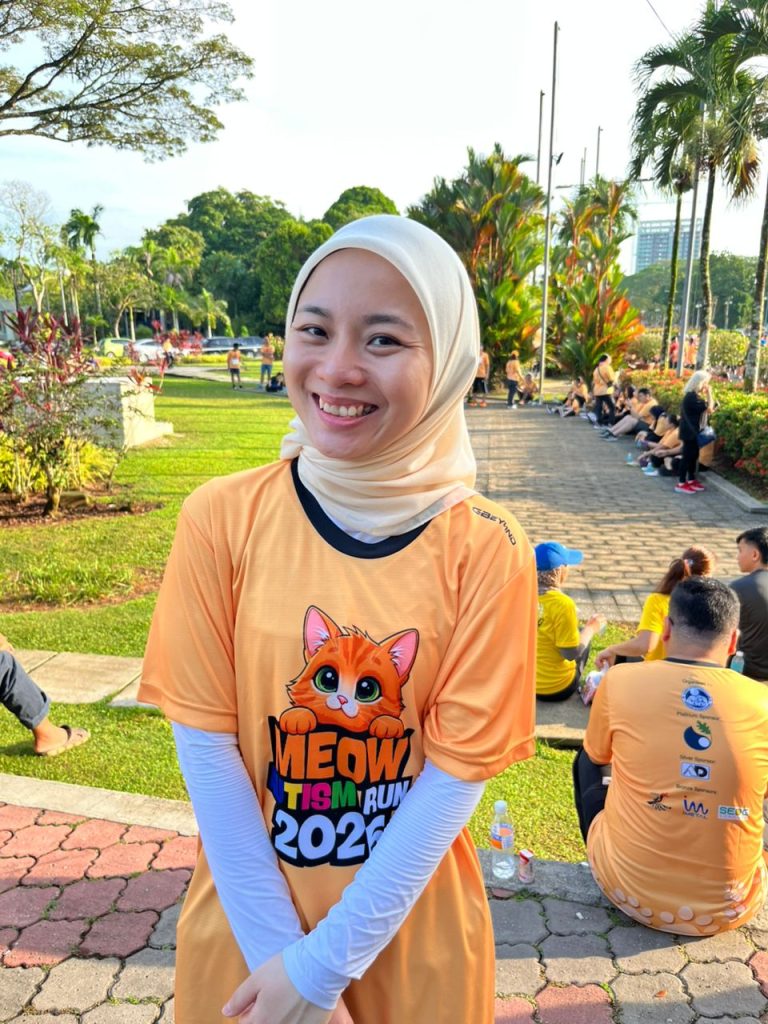
NUR SYAMIELLA, 30:
I initially joined this programme because of the Fun Run, but upon knowing that it is also a part of autism awareness, I realised its meaningful impact on the community.
I noticed people with autism have improved their speech skills through activities curated to them.
I believe programmes like this support the community through charitable efforts by funding upcoming activities, providing valuable knowledge and experiences that contribute to their development.
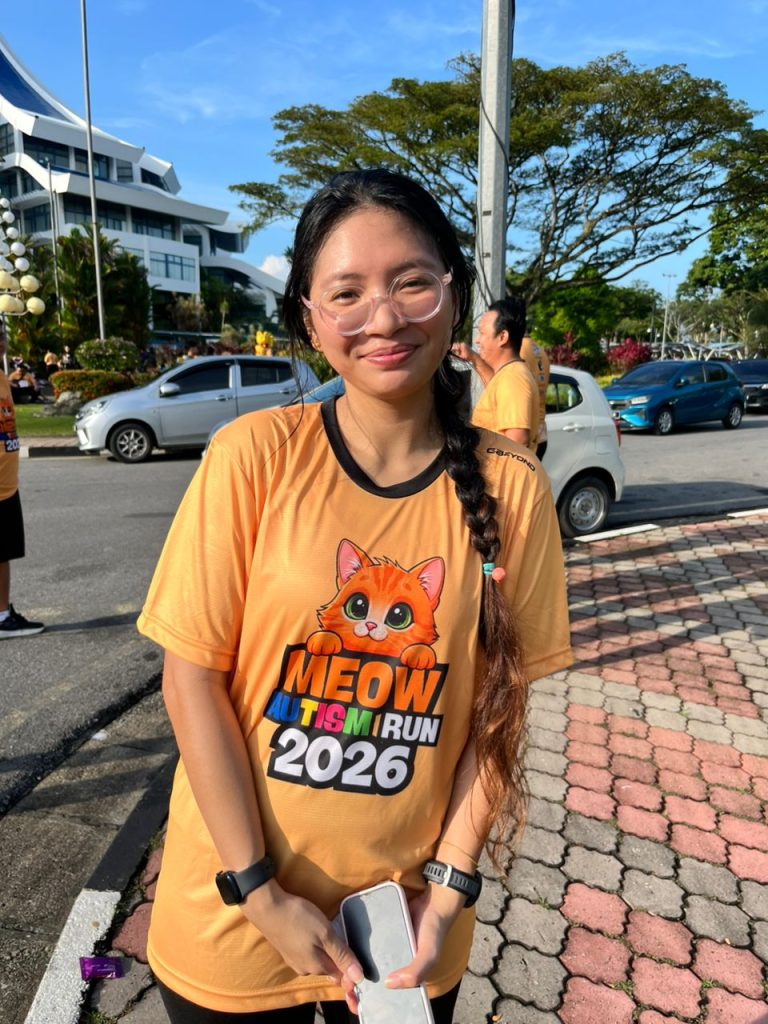
MICHELLE MAGGES, 28:
I have an autistic cousin, and people tend to not know how to treat them well. In our family we also try to be accepting of him, and have to remind others that he is different. But currently he’s doing well.
This Fun Run programme benefits them indirectly through charity, but I hope that there are many campaigns and programmes that focus on autism, inviting everyone to actually interact with those who are on the spectrum.