SOFTLY orbiting above, a new network is reshaping how Sarawak connects, works and grows – quietly powering the state’s next economic leap.
Indeed, Sarawak is steadily emerging as a serious contender in the digital and aerospace landscape, with Low Earth Orbit (LEO) satellite technology poised to anchor its next phase of economic transformation.
Once viewed as distant and conceptual, satellite-based systems are now rapidly becoming practical, deployable solutions to real-world challenges – particularly in connectivity, industrial operations and regional development.
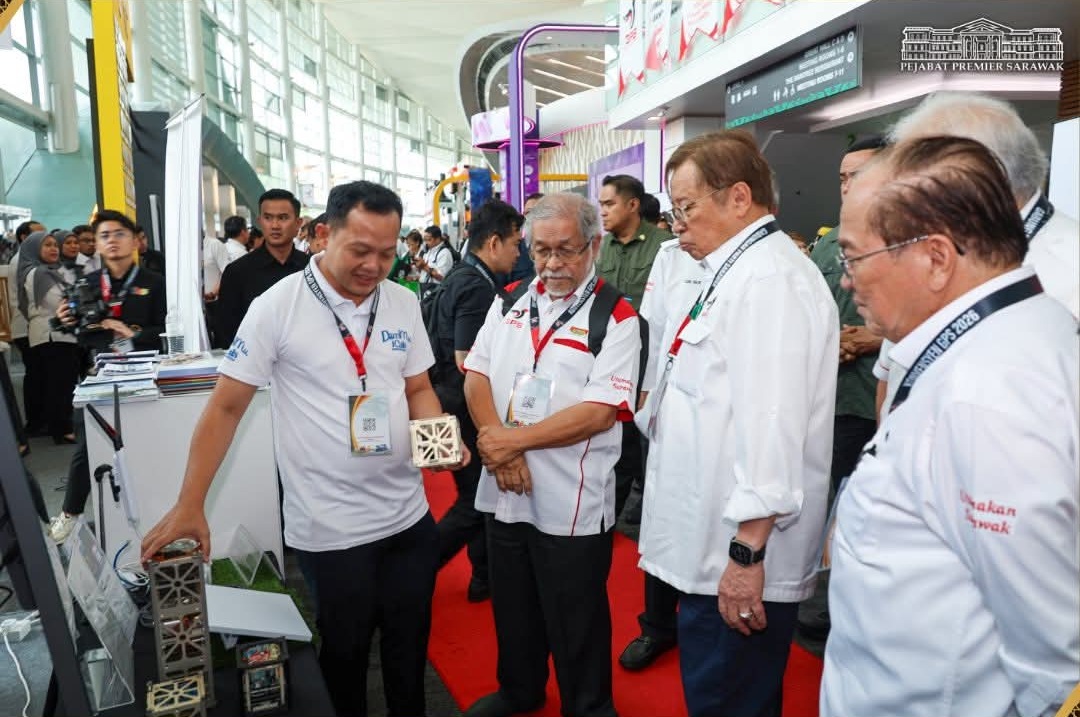
This shift was prominently showcased at the GPS Convention 2026, where an industry-academia-led demonstration highlighted integrated satellite communication platforms that combined LEO, geostationary (GEO) and terrestrial networks into a unified digital infrastructure.
The demonstration signalled more than technological advancement; it reflected a structural shift in how connectivity was designed and delivered.
No longer confined to isolated systems, modern networks are evolving into hybrid ecosystems – capable of supporting the increasingly complex demands of digital economies.
Among those closely involved in this transformation is Abdul Qaiyum Alidin, an award-winning aerospace technology expert whose work spans satellite systems, aerospace engineering and digital transformation.
Recently recognised with international awards in Dubai and Bali, his contributions to innovation and ecosystem development have placed Sarawak firmly on the global radar.
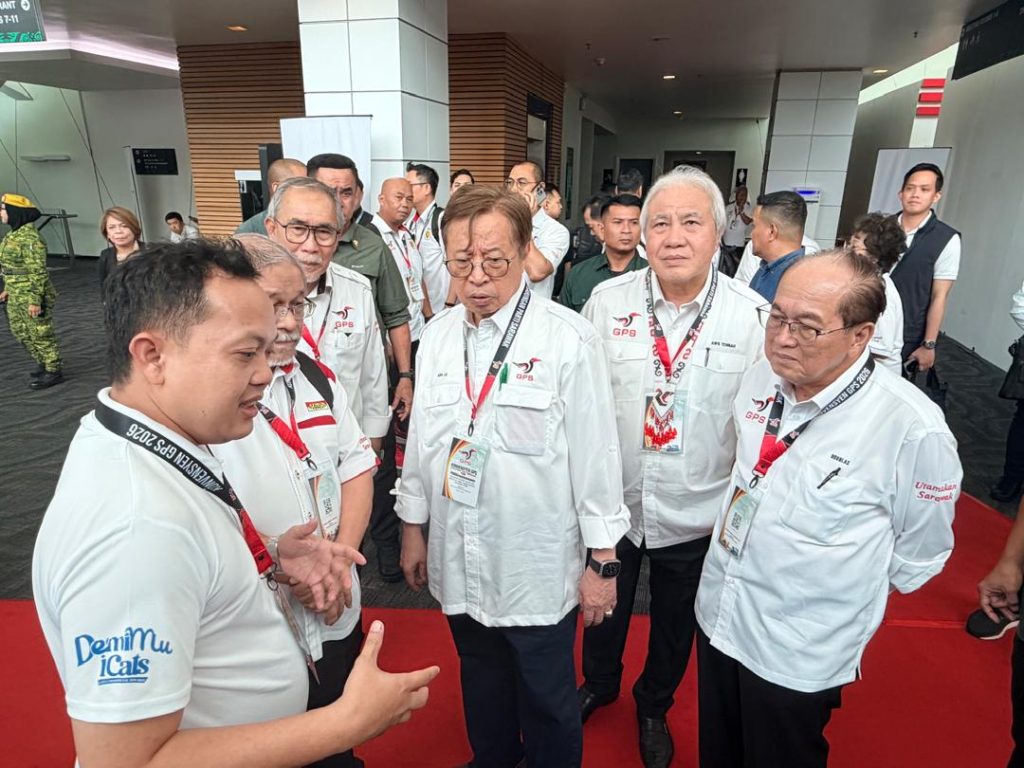
Speaking on the growing importance of LEO satellite technology, Abdul Qaiyum emphasised that its impact extended far beyond improving internet access.
“LEO satellites are not just about space – they are about building the foundation of the next economy. They connect people, enable industries and unlock opportunities that were previously out of reach,” he said.
Unlike conventional satellites positioned about 36,000 kilometres above Earth, LEO satellites operate at much lower altitudes – typically between 300 and 1,200 kilometres.
This proximity significantly reduces latency while increasing data throughput, making LEO systems highly suitable for real-time applications that are becoming essential in today’s digital environment.
From remote industrial operations to intelligent systems and automation, the ability to transmit and process data almost instantaneously is no longer a luxury – it is a necessity.
The growing maturity of this sector is further underscored by the presence of global satellite communication providers such as IEC Telecom.
With more than three decades of experience, the company is among those delivering hybrid connectivity solutions that integrate LEO, GEO and terrestrial networks, alongside advanced capabilities such as cybersecurity, Internet of Things (IoT) integration and real-time network management.
These developments reflect a broader transition – from standalone connectivity solutions to fully integrated digital ecosystems designed to support modern economies.
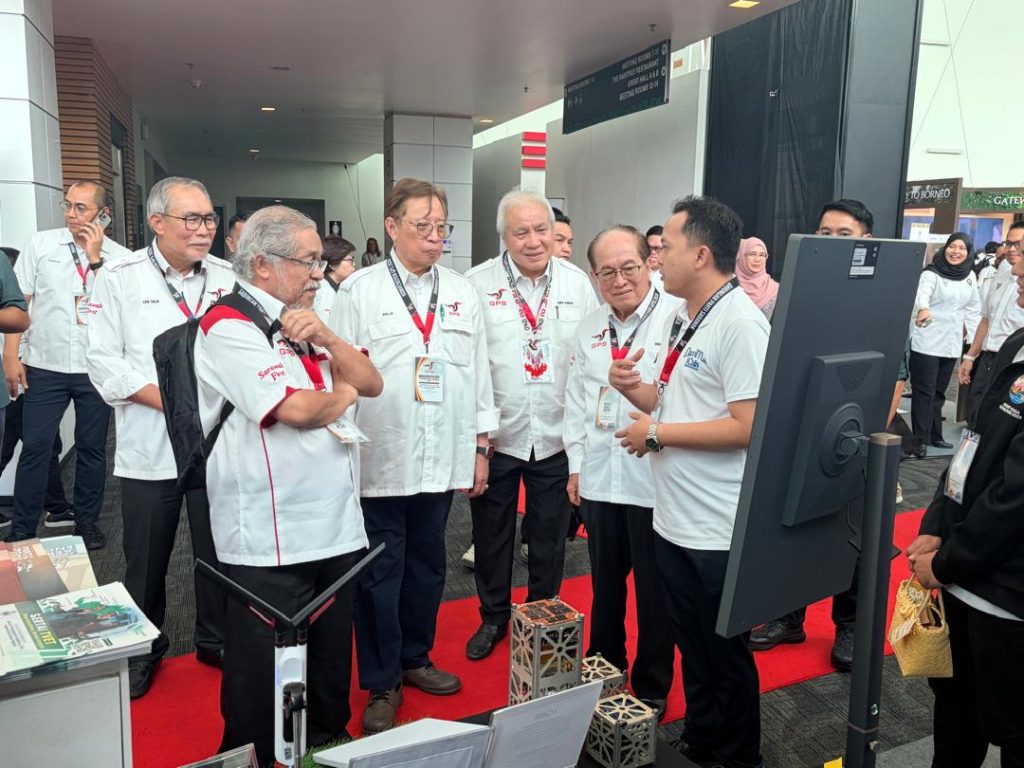
For Sarawak, where vast geography and dispersed communities have historically posed infrastructure challenges, LEO technology offers a strategic advantage.
By overcoming the limitations of terrain and distance, satellite-enabled networks can accelerate inclusive connectivity and expand economic participation.
“LEO is not replacing fibre or 5G; it is completing the network. It creates a resilient, distributed architecture where connectivity is no longer limited by geography,” Abdul Qaiyum, Deputy Dean of i-CATS University College Faculty of Aerospace Engineering, explained.
This capability is particularly critical in extending digital access to rural communities, remote healthcare facilities, and educational institutions – ensuring that development is not confined to urban centres alone.
Yet, as Abdul Qaiyum points out, connectivity is only the beginning.
The future economy, both in Sarawak and globally, will increasingly rely on robotics, drones, autonomous systems and artificial intelligence-driven platforms.
These technologies demand continuous, reliable, real-time connectivity – precisely the kind enabled by LEO satellite systems.
“The next generation of industries will not operate manually. They will be driven by robotics, drones and intelligent systems – and all of these systems require constant connectivity, coordination, and data flow. LEO satellites are the invisible infrastructure making this possible,” he said.
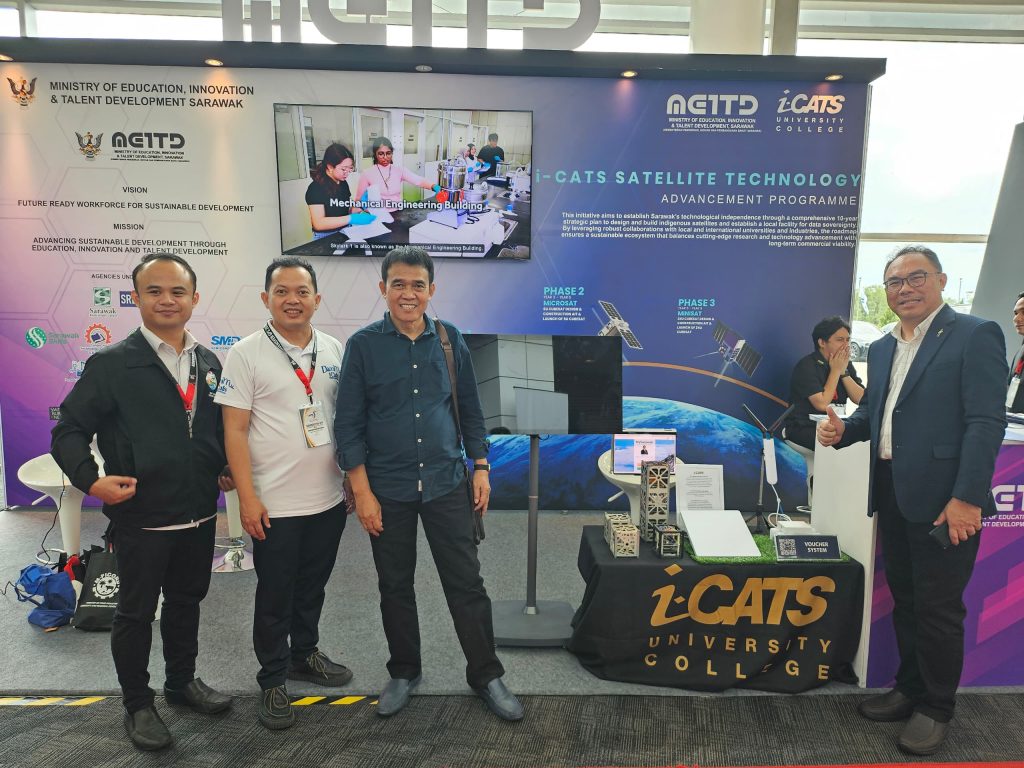
This forward-looking vision aligns closely with Sarawak’s broader aerospace and digital transformation agenda.
Through initiatives such as the Asia-Pacific Aerospace Conference and Exhibition 2026, the state is actively building an integrated ecosystem that connects policy, research, talent development and industry participation.
Rather than focusing on isolated projects, Sarawak’s strategy centres on developing a comprehensive value chain – encompassing satellite technology, unmanned aerial systems (UAS), advanced manufacturing, digital infrastructure and aerospace supply chain development.
Geography, too, plays in Sarawak’s favour. Located near the equator, the state is well-positioned for satellite-related activities such as tracking, data acquisition and potentially future space-based operations.
At the same time, collaboration with international partners – including aerospace institutions, technology providers and research organisations – continues to strengthen Sarawak’s position within the global aerospace ecosystem while maintaining a strategic focus within ASEAN and the BIMP-EAGA region.
The implications for BIMP-EAGA are particularly significant. With its fragmented geography and persistent connectivity challenges, the region stands to benefit from LEO-enabled infrastructure that can support broadband expansion, maritime operations, disaster response systems, and cross-border economic integration.
However, technology alone will not determine success.
Abdul Qaiyum stressed that building local capability and talent remained essential if Sarawak was to secure a meaningful role in the global space economy.
“If we want to be part of the space economy, we must build from the ground up – talent, systems, partnerships and capability.
“Technology alone is not enough; we need people who understand how to design, integrate and innovate within these systems,” he said.
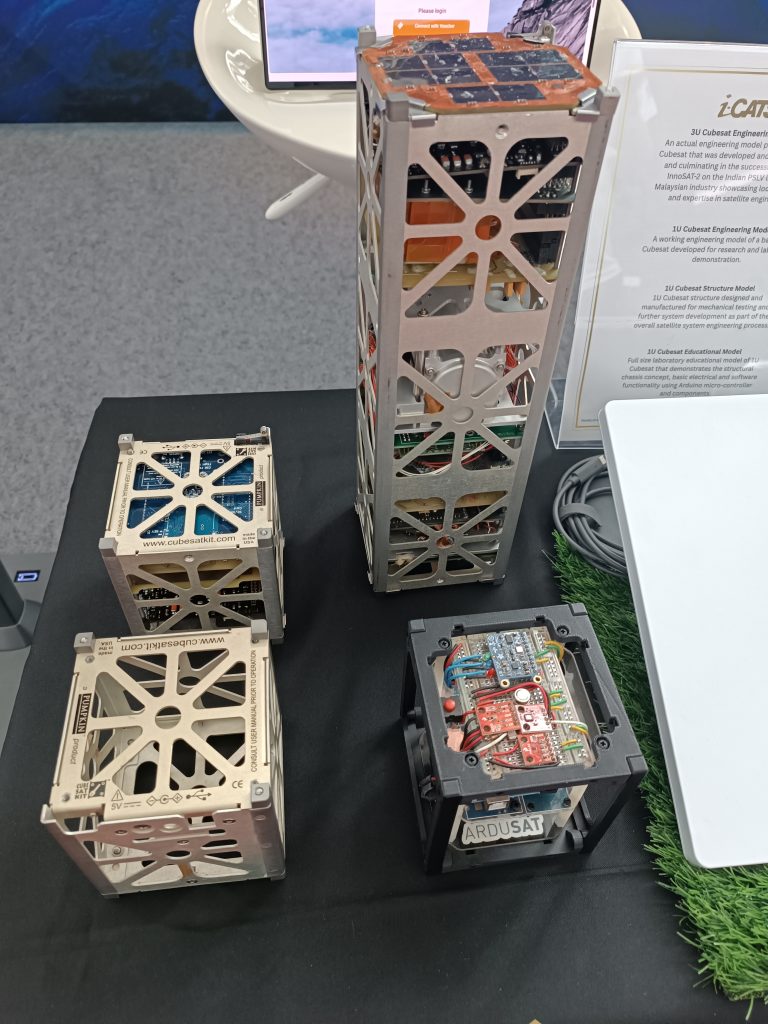
Efforts to develop this talent pipeline are already underway, with aerospace education programmes, satellite research initiatives, and hands-on platforms such as CubeSat design and innovation challenges gaining traction.
These initiatives aim to nurture a new generation of engineers, scientists and technologists capable of driving Sarawak’s participation in both the aerospace and digital economies.
As global demand for satellite-enabled services continues to grow, Sarawak is increasingly well-positioned to transition from a consumer of advanced technologies to an active contributor in the space-enabled economy.
“This is not about catching up – it is about positioning ourselves ahead, by understanding where technology is going and building the capability to grow with it,” Abdul Qaiyum added.
The vision articulated at the GPS Convention 2026 reflects a broader shift already taking place.
As highlighted in Premier Datuk Patinggi Tan Sri Abang Johari Tun Openg’s address, Sarawak is moving decisively from planning into implementation – embracing advanced technologies while preparing its people and industries for a future driven by connectivity, intelligence, and innovation.
With strong alignment between policy, industry and academia, the state’s aerospace and digital transformation journey is gaining real momentum.
LEO satellites, once symbols of distant technological ambition, are now becoming the invisible backbone of everyday life – connecting communities, enabling industries and unlocking new frontiers of opportunity.
For Sarawak, that transformation is no longer on the horizon. It is already in motion.