By Siti Nurain Ratani
KUALA LUMPUR: Fraudulent online content cases surged to 98,503 last year, driven largely by fake accounts, impersonation scams, and AI-powered deception targeting public figures and media organisations.
According to Deputy Communications Minister, Teo Nie Ching, the number of scam-related contents involving fake accounts, impersonation of public figures and media organisations surged sharply from 6,297 cases in 2023 to 63,652 cases in 2024 before climbing further to 98,503 cases last year.
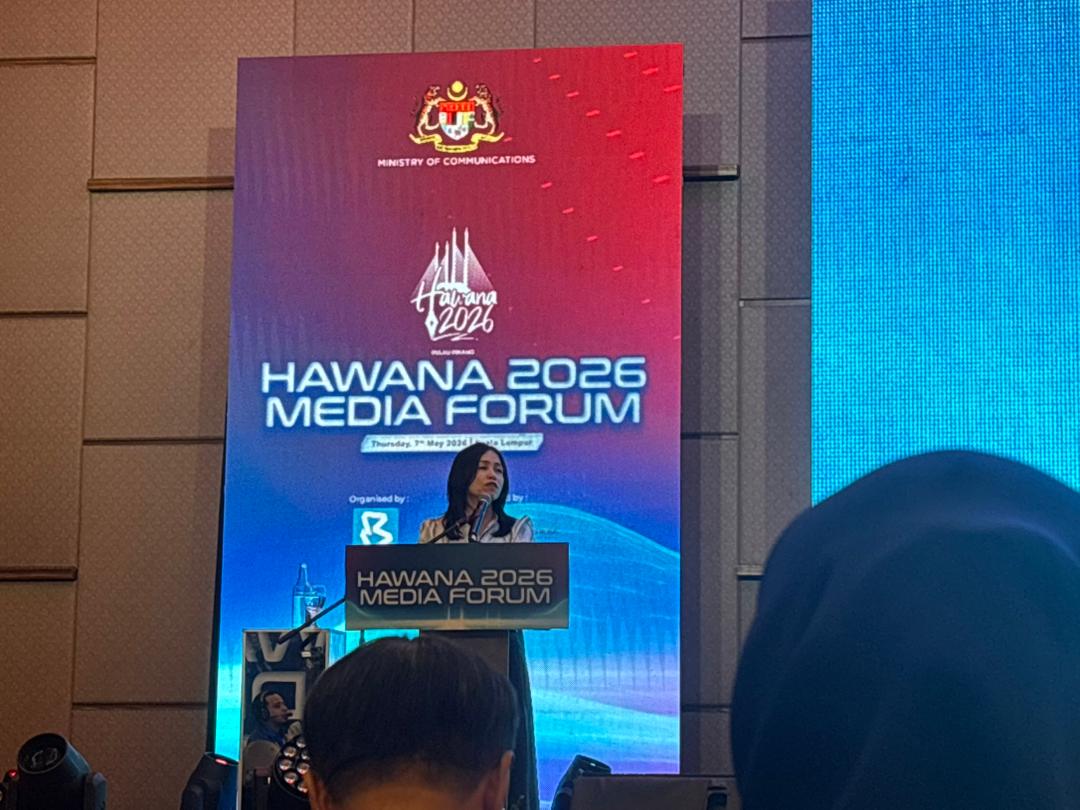
“However, 60,829 of such contents have been taken down as of April 30 this year,” she said when speaking at the HAWANA 2026 Media Forum today (May 7).
She added that between March 29 and April 30 this year, a total of 464 fake contents related to the global supply crisis were identified, with 312 successfully removed.
“A total of 65 investigation papers have also been opened, while 15 cases have been referred to the Attorney General’s Chambers and the rest are still under investigation,” she said.
According to Teo, the rapid advancement of digital technology and AI has not only transformed the way news is produced, distributed and consumed, but has also created greater opportunities for the spread of fake content, identity manipulation and increasingly sophisticated online scams.
She said deepfake technology has become more convincing, while cybercriminals are using AI to make their tactics more advanced and difficult to detect.
“It is no longer merely a local issue, but a global challenge where voices and facial identities are manipulated to deceive victims,” she added.
Teo said the situation demonstrated how fake news could influence the way society thinks, acts and makes decisions within a very short period of time.
“News, whether true or false, spreads within seconds. In an increasingly interconnected world, digital platforms are flooded with emotional, divisive and often unverified content,” she explained.
She stressed that the role of journalists today goes beyond simply reporting news, as they now serve as “architects of truth, context and clarity”.
Teo said the theme of HAWANA 2026, ‘Media Integrity Strengthens Credibility’, is highly relevant and forms an essential foundation for the resilience and sustainability of journalism in a rapidly evolving information landscape.
She noted that while digital technology has democratised information, it has also disrupted traditional media revenue models and challenged long-standing editorial practices.
She said that AI is now reshaping newsroom operations, including content production, fact-checking, audience engagement and data analysis.
“These developments offer significant opportunities but also risks. While technology can improve efficiency and expand reach, it also raises questions related to accuracy, accountability and public trust,” she said.