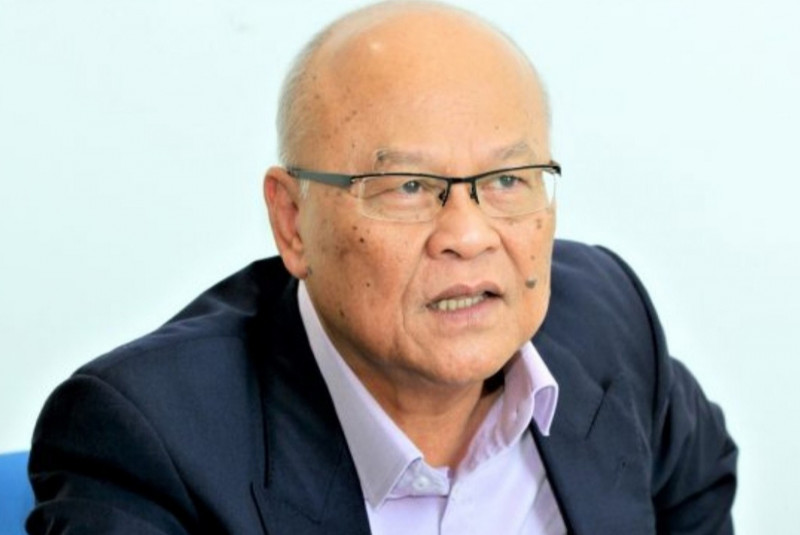
KUCHING: Political analyst Datuk Peter Minos says Prime Minister Datuk Seri Anwar Ibrahim may be forced to call a snap election in light of worsening coalition tensions and economic pressures.
He said Anwar’s latest remarks about the possibility of a snap election reflected growing frustration over endless disputes among component parties in the Pakatan Harapan (PH)-led coalition government.
“If I’m a Prime Minister I might as well go for a snap General Election, even though the life of parliament has about two more years till 2028,” said Minos in reaction to Anwar’s statement on Sunday.
According to Minos, delaying the polls could expose the government to greater political risks as public dissatisfaction over the rising cost of living continues to grow.
“What to do? You wait any longer, people and voters get more angry due to events beyond your control, like rising prices,” he said.
He added that tensions between PH allies, especially involving Democratic Action Party (DAP) and the United Malays National Organisation (UMNO), have complicated Anwar’s efforts to maintain unity within the coalition.
Minos noted that DAP had been unhappy over delays in the recognition of the Unified Examination Certificate (UEC), while some Malay groups reacted negatively after Anwar eventually approved the matter with conditions.
“DAP is not too pleased, but when he decides, some Malay groups are also not quite happy. Tough for Anwar to please any group,” he said.
He also pointed to UMNO’s increasingly independent stance, particularly its intention to contest solo in the coming Johor election, as another sign of strain within the unity government arrangement.
At the same time, Minos said unrest within Parti Keadilan Rakyat (PKR) itself has added to Anwar’s political burden, citing former deputy president Rafizi Ramli as among the issues that had unsettled the party before his departure.
“Nothing seems right in PKR and PH. Everything is in a flux. Kind of mess,” he remarked.
Minos also argued that external economic factors, including the ongoing Iran conflict and its impact on global markets, have further weakened the government’s position.
He believed Anwar may have missed the best opportunity to strengthen the economy earlier through reforms and revenue-generating measures such as the Goods and Services Tax (GST).
“Before the Iran war, Anwar could have really improved the economy by boosting it through incentives and by putting up GST for greater revenue. He waited and waited and now it is pretty too late to do anything,” he said.
Despite government assistance measures, including subsidies and cash aid, Minos observed that many Malaysians remain unhappy over rising living costs.
“Handing over goodies like subsidies and cash to the people does not seem to work. People still grumble and complain of high cost of living,” he said.
Minos warned that postponing the election could worsen divisions within PH and give the opposition more time to regroup and gain strength.
“Waiting too long means better time for the opposition and you cannot afford that,” he said.
However, he said the outcome of any snap election was also uncertain amid the present political and economic climate.
“Who will prevail and win in the current political and economic turmoil, no one can tell. Anything goes,” he added.