KUCHING: The Ministry of Women, Family and Community Development (KPWKM) is actively exploring a structural framework to transition informal domestic care work into a formal, paid professional career path to support home-based caregivers.
Its Minister, Datuk Seri Nancy Shukri stated that the initiative aims to provide sustainable financial security and a robust support system for individuals who forgo conventional employment to care for elderly relatives or disabled family members.
She acknowledged that while the Department of Social Welfare (JKM) currently provides a monthly allowance of RM600 to individuals managing bedridden elderly relatives or persons with disabilities (PwDs), the financial assistance remains heavily restricted to immediate medical essentials like disposable diapers.
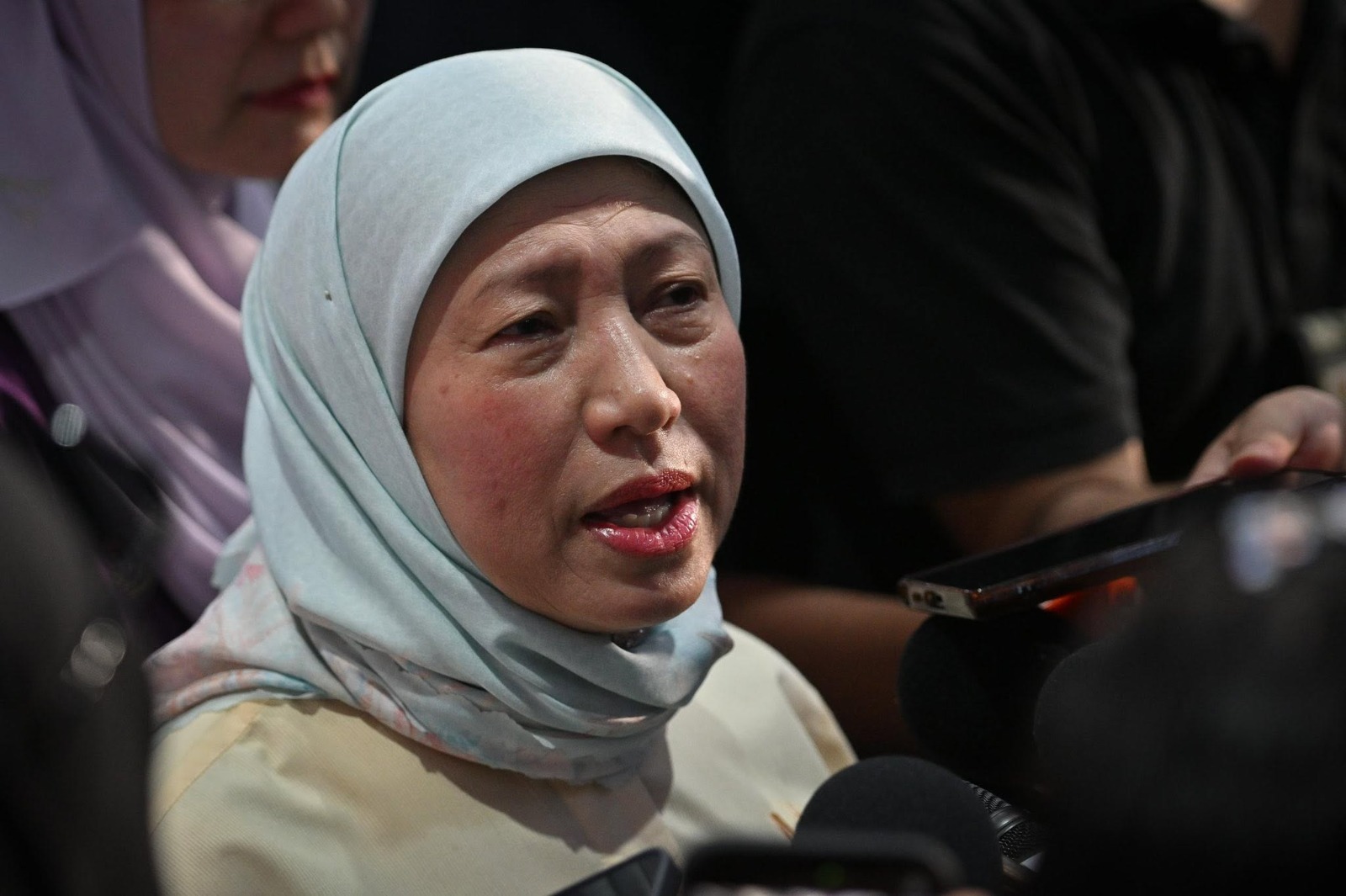
“We are looking into how we can structurally transform this into regular paid care work. An allowance of RM600 is simply insufficient if an individual is completely out of the workforce to look after their parents.
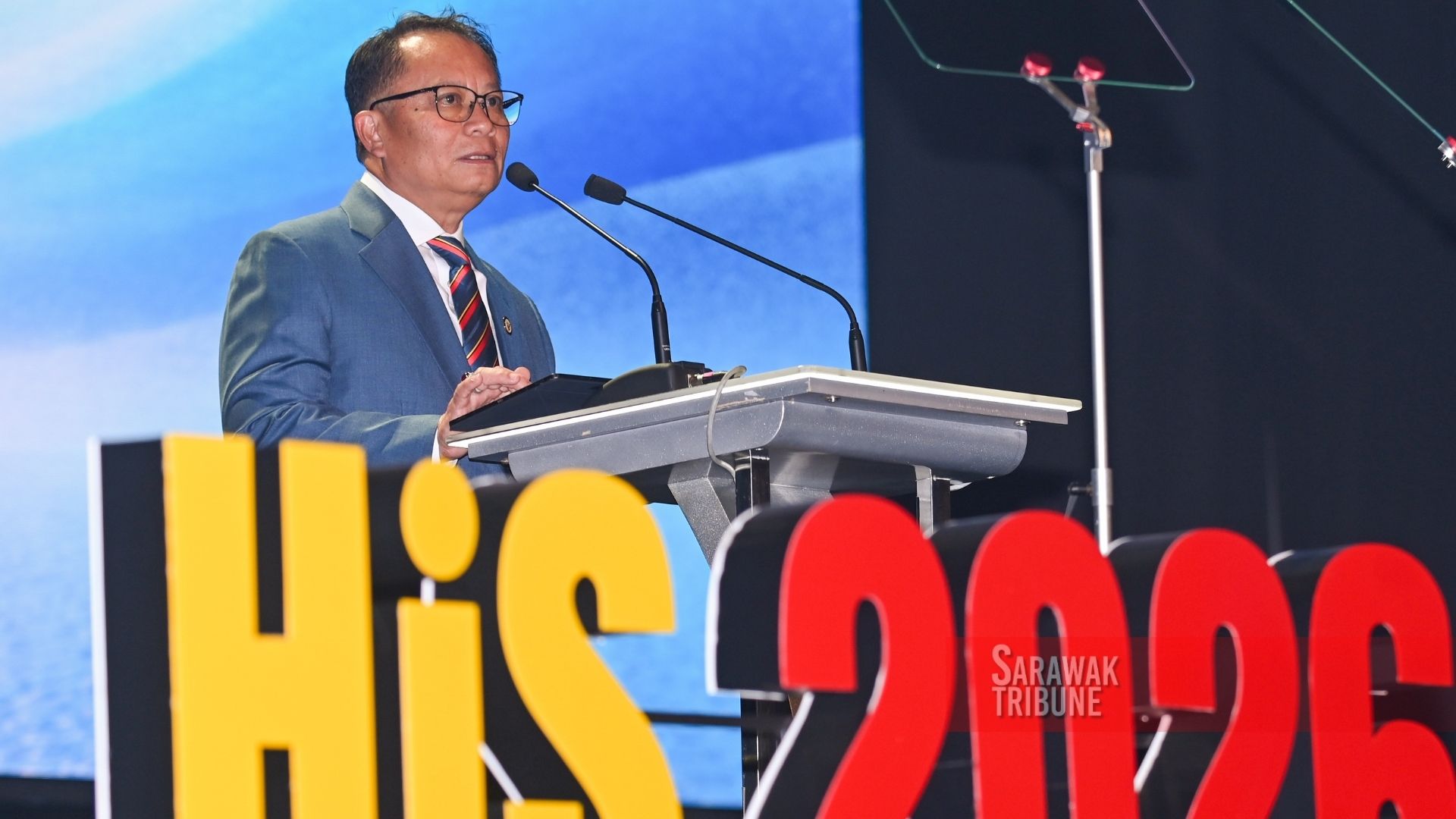
“Transitioning this into a formalised sector would significantly secure their long-term economic welfare,” she told reporters after officiating the Malaysia Social Institute (ISM)@Komuniti programme at the Kampung Telaga Air Community Hall today.
Nancy emphasised that the proposed shift aligns closely with the objectives of the newly deployed Malaysia Care Strategic Framework 2026-2030, which debuted on November 4 last year during the ASEAN Conference on New Frontiers in the Care Economy to anchor five core strategic pillars.
However, she noted that the ministry is moving cautiously and is not yet prepared to make a formal policy announcement as it requires extensive inter-agency consultations and fiscal evaluations.
“I strongly advocate for a formalised support system because providing care for family members without a fixed income creates immense financial constraints.
“However, we cannot make premature promises just yet because turning informal care into standard paid work involves intricate negotiations with multiple key stakeholders,” she explained.
Addressing the broader scope of the booming care economy, Nancy urged local communities and youth, particularly Form 5 school leavers in rural areas, to view professional caregiving as a high-potential career rather than a marginal job.
The ministry, through ISM, consistently runs nationwide certification courses to uplift caregiving standards and cultivate a healthy aging ecosystem, having already benchmarked a training capacity of 2,000 certified individuals for this year following a gradual scale-up since 2023.
To expand outreach across the state, KPWKM is collaborating with Universiti Malaysia Sarawak (UNIMAS) to merge healthy aging services with community-level awareness campaigns.
“Private institutions are actively approaching us to scout for rural youths who have an innate passion for this field.
“While many prefer pursuing traditional university routes, and we respect that autonomy, we want them to realise that the care sector is a rapidly growing market with immense institutional demand,” Nancy added.