KUCHING: Strengthening infrastructure connectivity, improving education quality, and ensuring effective policy implementation are among the key strategies needed to ensure Sarawak’s economic prosperity is shared more equitably among its people.
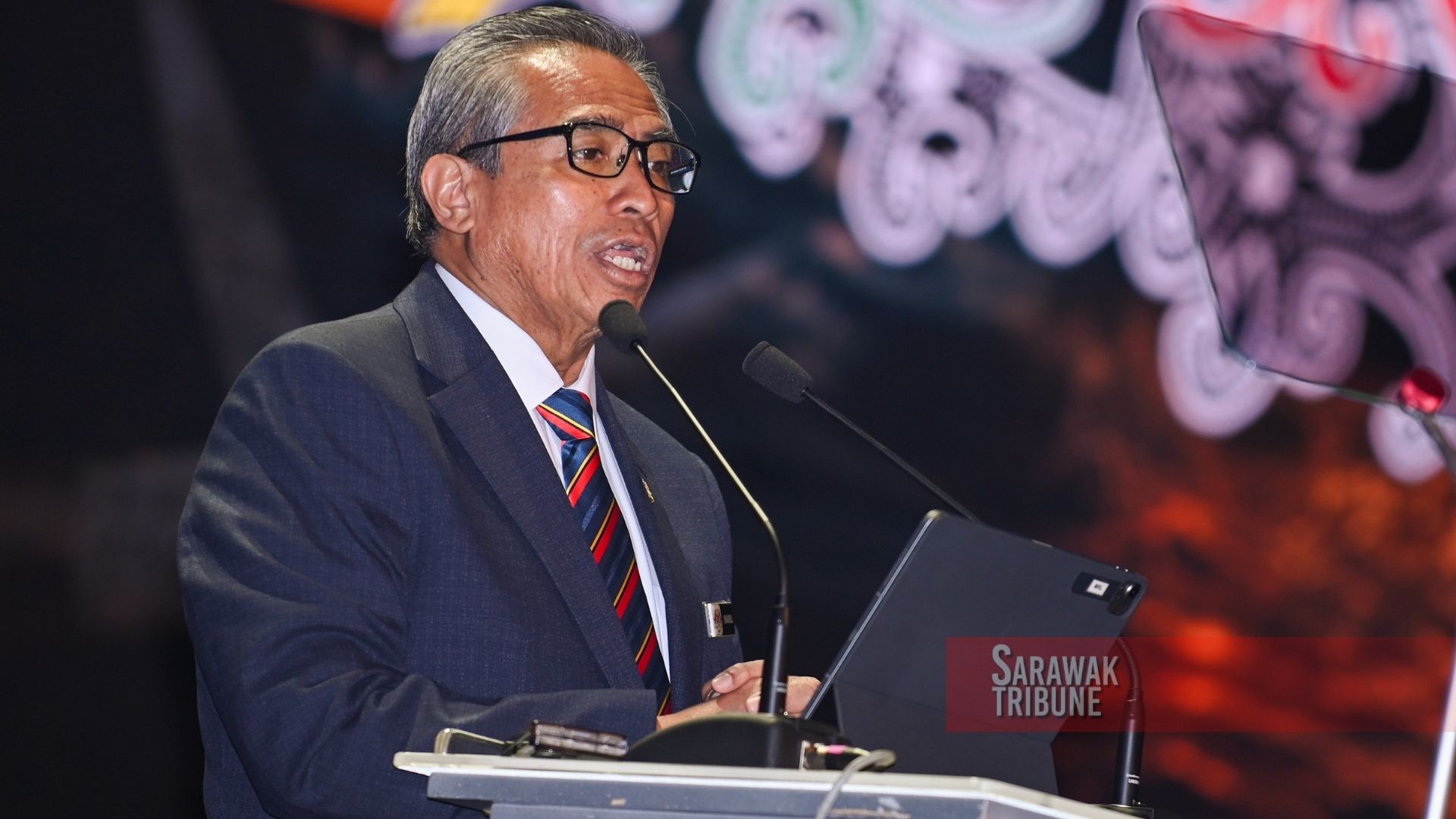
Universiti Malaysia Sarawak’s (UNIMAS) senior lecturer, Dr Dzul Hadzwan Husaini, said Sarawak’s economic achievements must be viewed alongside persistent socio-economic challenges faced by segments of the population.
Despite being among the top five contributors to Malaysia’s Gross Domestic Product (GDP) and attaining high-income economic status based on Gross National Income (GNI), he said Sarawak continues to face a paradox where economic wealth does not always translate into higher household incomes and lower poverty levels.
“We often hear about Sarawak’s economic success, but the question remains why some communities are still struggling despite the state’s overall prosperity,” he said during the ‘Economy Talk: How Wealth Can Be Shared with the People of Sarawak’ at the Sarawak Malay Graduates Convention 2026 (KGM 2.0) at Institute of Teacher Education (IPG) Batu Lintang Campus today.

Dzul Hadzwan noted that while districts such as Bintulu have emerged among the wealthiest in Malaysia due to the oil and gas industry, income disparities remain evident across the state.
He said one of the main factors contributing to the situation is Sarawak’s vast geographical landscape and scattered population distribution, which increase the cost of delivering public services and development initiatives.
“A ringgit spent on education or healthcare in Peninsular Malaysia does not necessarily have the same impact in Sarawak because a significant portion of resources must first address logistical and infrastructure challenges,” he explained.
According to him, improving road connectivity remains crucial to ensuring economic growth reaches rural and interior communities.
He described the Pan Borneo Highway as a critical development project that could help narrow development gaps by connecting communities and improving access to economic opportunities.
“If we want economic growth to benefit everyone, the first thing we must strengthen is an efficient transportation and infrastructure network,” he said.
Dzul Hadzwan also emphasised the importance of education as a long-term solution for reducing socio-economic disparities.
He commended the Sarawak Government’s efforts in expanding educational assistance, strengthening Yayasan Sarawak, and introducing initiatives aimed at increasing access to higher education.
At the same time, he stressed that attention should now focus on enhancing the quality and global competitiveness of higher learning institutions in the state.
Drawing comparisons with Singapore’s development model, he said the republic invested heavily in world-class universities and human capital development to sustain long-term economic growth.
“Education remains the most important pathway for producing skilled and knowledgeable citizens who can drive economic progress,” he said.
Dzul Hadzwan added that Sarawak must continue investing in universities, research and talent development to build a highly skilled workforce capable of supporting the state’s transition into a knowledge-based economy.
When asked about strategies to address the gap between economic growth and living standards, he highlighted three priorities: economic diversification beyond oil and gas, effective implementation of development policies, and solutions tailored to Sarawak’s unique circumstances.
He said successful policies are not measured solely by their design but by how effectively they are implemented on the ground.
“We often have good policies, but implementation remains the real challenge. Policies must take into account Sarawak’s realities, including geography, infrastructure needs and local human capital requirements,” he said.
Dzul Hadzwan also called for greater participation of Sarawakians in sectors such as education and public service, arguing that local professionals are best placed to understand and address the state’s unique development challenges.
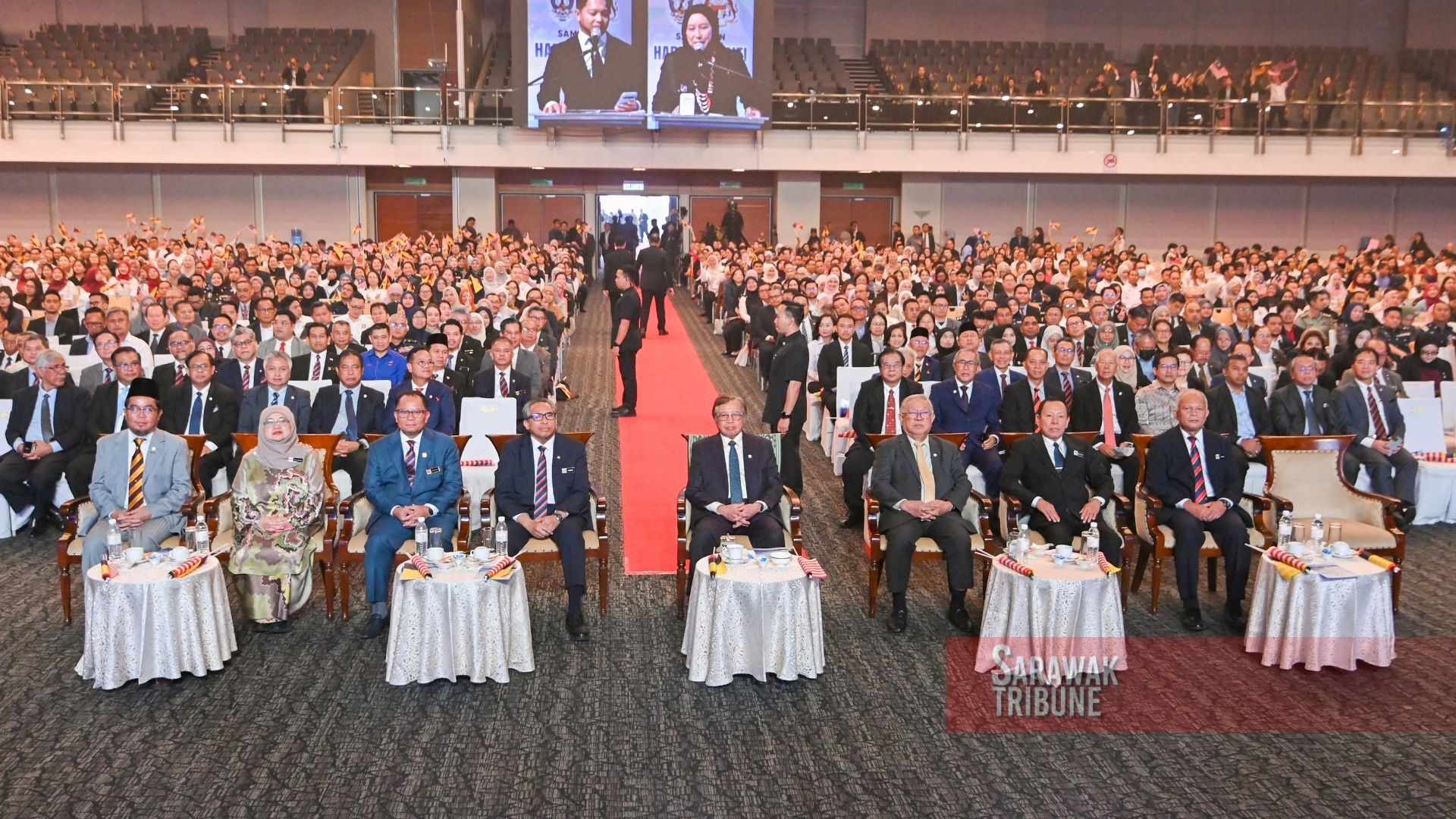
The convention gathered Malay graduates, community leaders, academics and policymakers to discuss issues related to socio-economic development and the future direction of the Malay community in Sarawak.