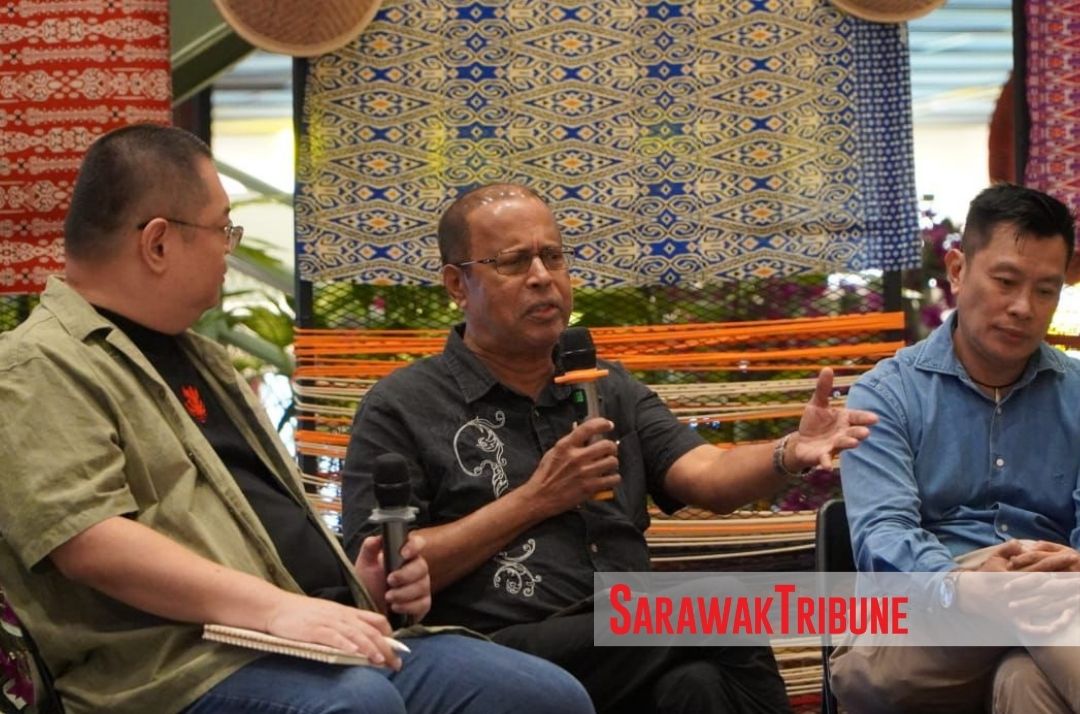
KUCHING: Journalism remains a valuable and unique profession despite the challenges brought by digitalisation and changing media consumption habits.
Sarawak Tribune Associate Editor and Columnist, Rajah Murugaiah, said journalism should not be viewed as a lesser career choice simply because it differs from more conventional professions such as medicine, engineering, teaching and accounting.
Recalling his own experience, he said many people questioned his decision when he chose to pursue journalism at the age of 19.
At the time, many of his peers were pursuing careers as doctors, engineers, teachers and accountants, while he chose a profession that was often misunderstood by society.
“I told my mother that this was what I loved. Eventually, I proved them wrong,” he said during the Media and Communication Forum at The Spring Shopping Mall today (June 13).
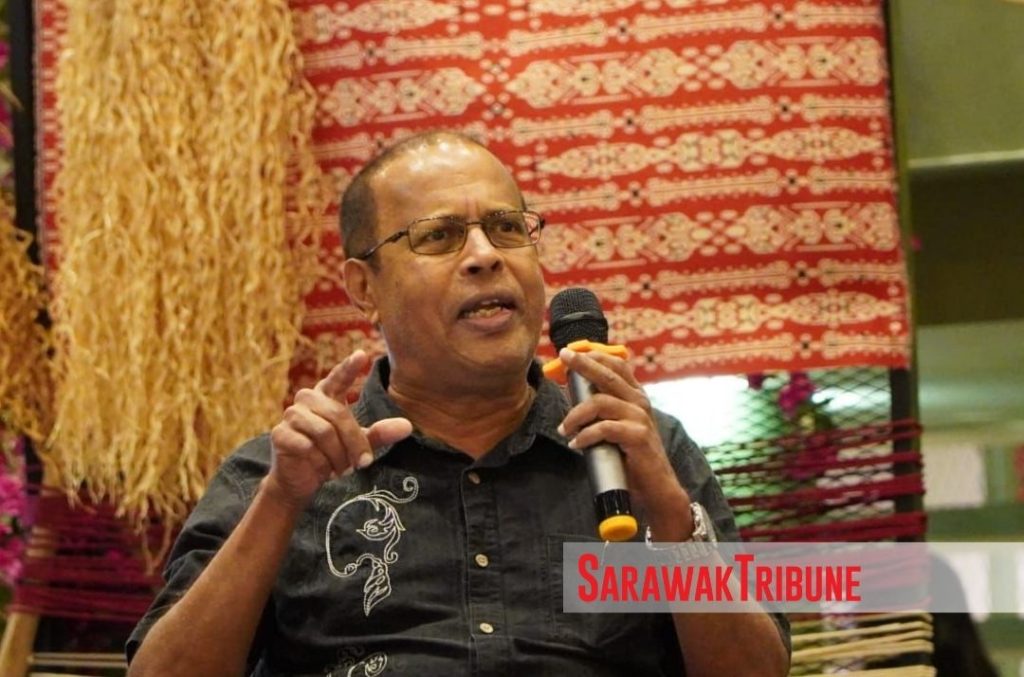
Rajah described journalism as a unique profession because it welcomes individuals from diverse educational and professional backgrounds.
He said the versatility of journalism provides graduates with opportunities that extend beyond traditional newsroom roles, making it a field that continues to remain relevant despite changes in the media landscape.
“A doctor can become a journalist, an engineer can become a journalist and an accountant can become a journalist. But can a doctor suddenly become an engineer? Definitely not,” he said.
Touching on the future of the industry, Rajah acknowledged that media organisations around the world are facing increasing pressure as audiences shift away from printed newspapers and towards digital platforms.
He said many consumers now question the need to purchase newspapers when information is readily available online, forcing traditional media organisations to rethink their strategies and business models.
“To remain relevant, media organisations must move towards convergence by integrating traditional journalism with digital platforms,” he said.
Rajah pointed out that embracing digital platforms is no longer an option but a necessity for media organisations seeking to remain competitive and sustainable.
At the same time, he stressed that the rise of social media and citizen journalism has created new challenges for professional journalists.
“With virtually anyone able to publish information instantly through social media platforms, traditional news organisations are under pressure to differentiate themselves through quality reporting, context and credibility,” he said.
Rajah stressed that verification remains one of the most important responsibilities of professional journalism, particularly in an era where misinformation can spread rapidly online.
Recalling an incident where false information regarding the death of a journalist was circulated online, he said the episode highlighted the dangers of publishing unverified information.
“I was shocked because I had just met him the week before. Later, we discovered that he was very much alive,” he said.
While some citizen journalists prioritise being first to publish information, Rajah said professional journalists must prioritise accuracy and verification.
“Some people are more concerned about being first than being accurate. But verification is important,” he said.
Rajah also said technology will continue to evolve and transform the way news is delivered, but the core principles of journalism remain unchanged.
“People still need information they can trust. That is where professional journalism continues to play an important role,” he added.