MIRI: Baram is on the cusp of a major economic transformation, with a multi-billion-ringgit solar development, new road connectivity and emerging green industries expected to create jobs and attract investment to the interior of northern Sarawak.
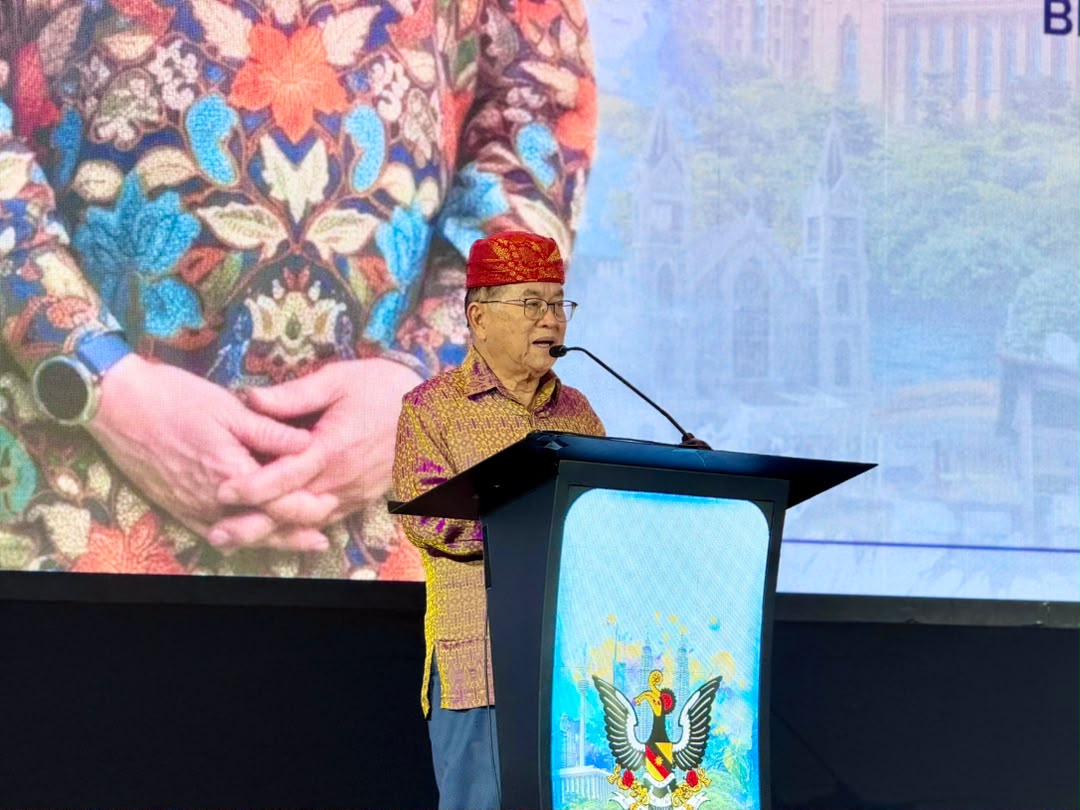
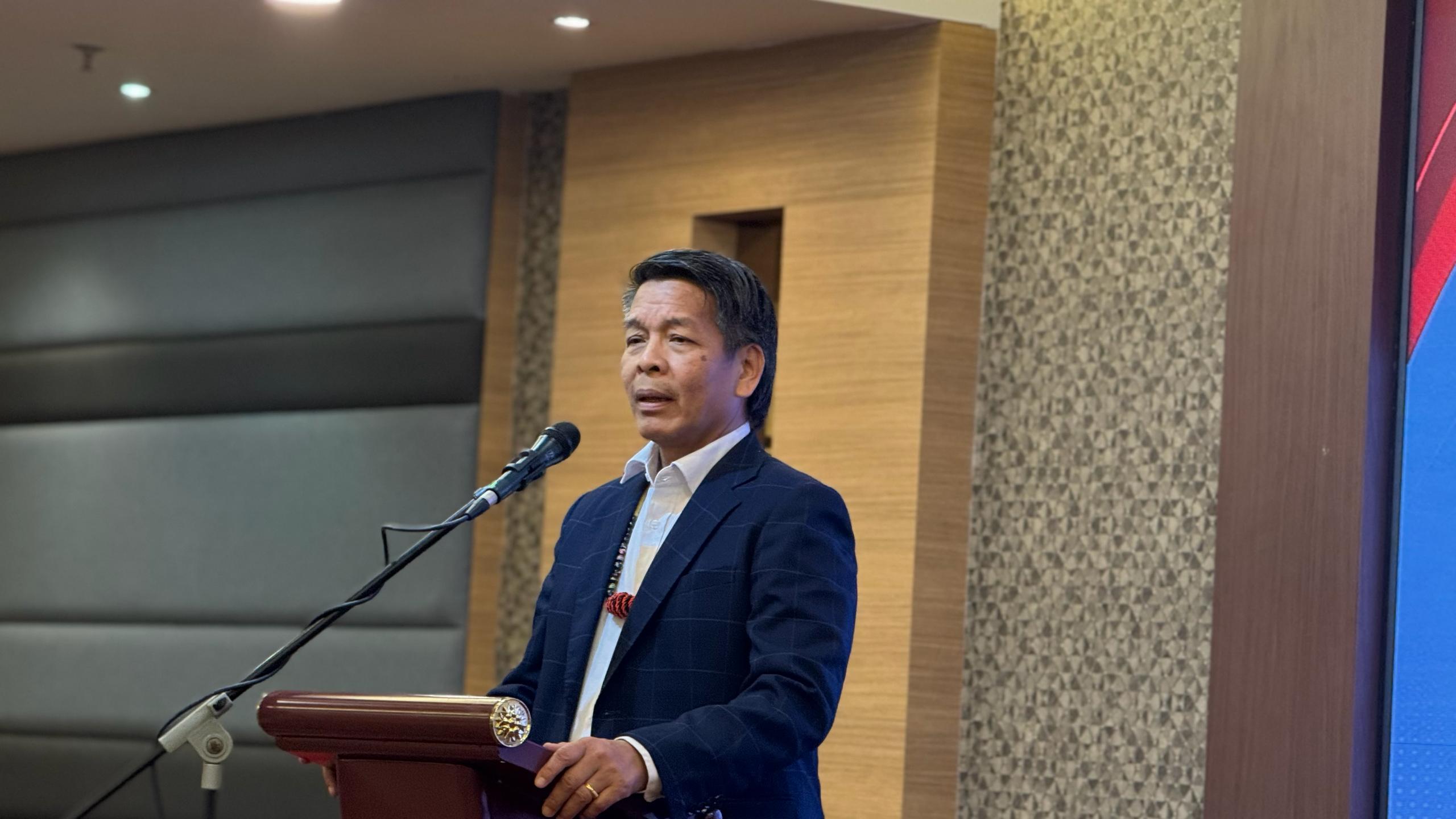
Telang Usan assemblyman, Datuk Dennis Ngau, said the region was well positioned to benefit from Sarawak’s broader development agenda, with several strategic projects moving from planning into implementation.
Among the most significant is the proposed Baram Agrivoltaic Project in Temalak, which combines large-scale solar energy generation with agricultural activities.
The project is expected to bring substantial economic spillover benefits to local communities through employment, transport services, accommodation, food supply and skills training.
According to Dennis, Premier Datuk Patinggi Tan Sri Abang Johari Tun Openg has proposed that the project be officially launched this year.
“This has the potential to become a catalyst for rural economic transformation in Baram,” he said during a presentation ceremony in Long Lama recently.
Dennis also highlighted plans to strengthen regional connectivity through the Sabah-Sarawak Link Road, which will connect Long Lama to major transport routes linking Sabah, Mulu and northern Sarawak.
He said the improved road network would position Long Lama as a strategic transit and economic hub, creating new opportunities for businesses, tourism operators and local entrepreneurs.
“Where there is movement of people, there will be economic activity. That is why connectivity is important for our future development,” he added.
As part of efforts to diversify the local economy, Dennis said Baram was also being developed as a potential bamboo industry hub.
More than 1,000 applications have been received from residents interested in participating in community-based bamboo cultivation programmes supported by the Sarawak Timber Industry Development Corporation (STIDC).
He said the growing interest reflected confidence in bamboo as a viable alternative economic sector, particularly as traditional logging activities continue to decline across the region.
At the same time, the Sarawak Government is moving to improve infrastructure maintenance by taking over former logging roads and incorporating them into the state road maintenance system.
The initiative is expected to provide more consistent maintenance of rural roads, many of which serve as critical links for remote communities throughout Baram.
Dennis said permanent contractors would eventually be appointed to maintain the roads, reducing disruptions caused by damaged bridges, landslides and deteriorating road conditions.
Despite the challenges of developing one of Sarawak’s largest rural constituencies, he said infrastructure projects continued to progress under the Rural Transformation Programme (RTP), including roads, community facilities and rural water supply systems.
The Sarawak government has also approved plans to expand water supply infrastructure in several interior settlements under the Sarawak Alternative Rural Water Supply (SAWAS) programme.
Dennis said these initiatives were aligned with Sarawak’s Post-Covid Development Strategy 2030, which aims to transform the state into a high-income economy through investment, industrial diversification and sustainable development.
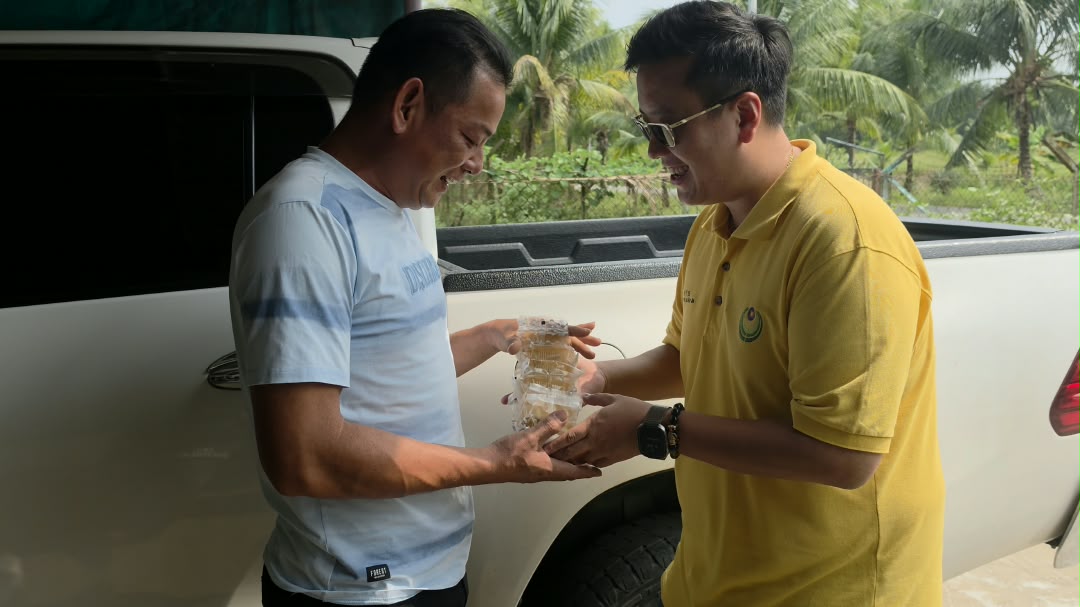
Earlier, nearly RM846,000 in Minor Rural Project (MRP) grants was distributed to close to 50 community organisations, churches and village committees.
Dennis described the allocation as the largest single MRP disbursement he had witnessed in the constituency, adding that community organisations remained important partners in supporting grassroots development.
“The vision for Sarawak’s future must be felt not only in Kuching but also in our rural communities. Development must reach the people on the ground.”