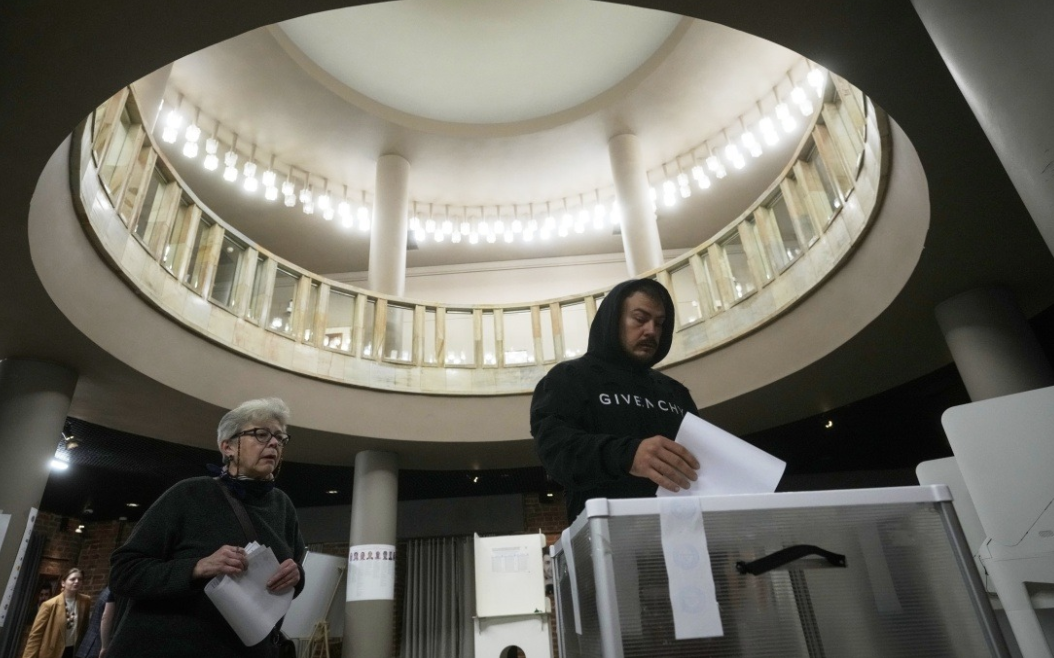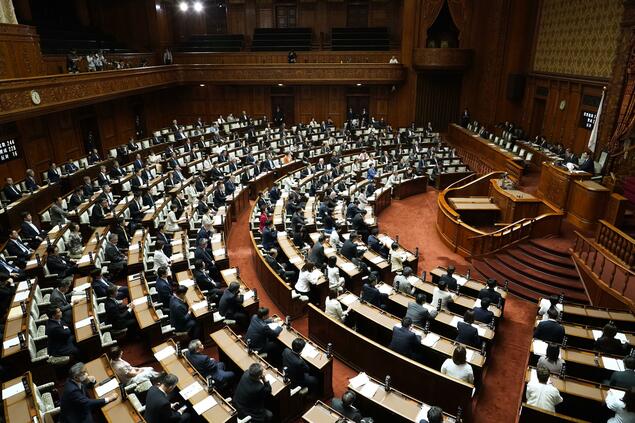
TOKYO, Japan: Japan’s parliament today enacted legislative revisions to expand support for elderly people without relatives or reliable family support, as familial ties in the ageing nation weaken amid a rise in single-person households, Kyodo News reported.
The changes will require local municipalities to provide comprehensive support in areas ranging from hospital admission and discharge to handling administrative procedures after death.
Financially struggling elderly people will be able to use the services free of charge or at reduced cost, although eligibility criteria have yet to be finalised.
After winning majority approval in the House of Councillors today, the Ministry of Health, Labour and Welfare aims to implement the revisions by June 2028.
The new scheme would provide regular check-ins, assistance with managing finances, completing admission procedures at hospitals and care facilities when a guarantor is required, and arranging funerals and the disposal of the deceased’s belongings.
The system will also cover people with impaired decision-making due to conditions such as dementia.
While similar services are currently provided in some areas by private companies and non-profit social welfare councils, the revisions call for prefectural-level social welfare councils to work towards ensuring such services are available nationwide.
The number of people aged 65 or older without relatives within the third degree of kinship, including great-grandchildren and great-nieces or great-nephews, is projected to rise from 2.86 million in 2024 to 4.48 million in 2050.
Japan’s Civil Code places responsibility on relatives within the third degree of kinship to support elderly family members.
Other revisions include relaxing staffing requirements at care facilities in depopulated areas and introducing a fee, expected to take the form of a 10 per cent co-payment, for consultations and the preparation of care plans for people receiving care at residential-style facilities for elderly people. – BERNAMA-KYODO