FOR many families, help begins with someone they already trust.
That belief sits at the heart of Thrive Well’s Safe Space Programme (KAMI) which brings community-based mental health support to youth and parents through emotional well-being workshops and peer support.
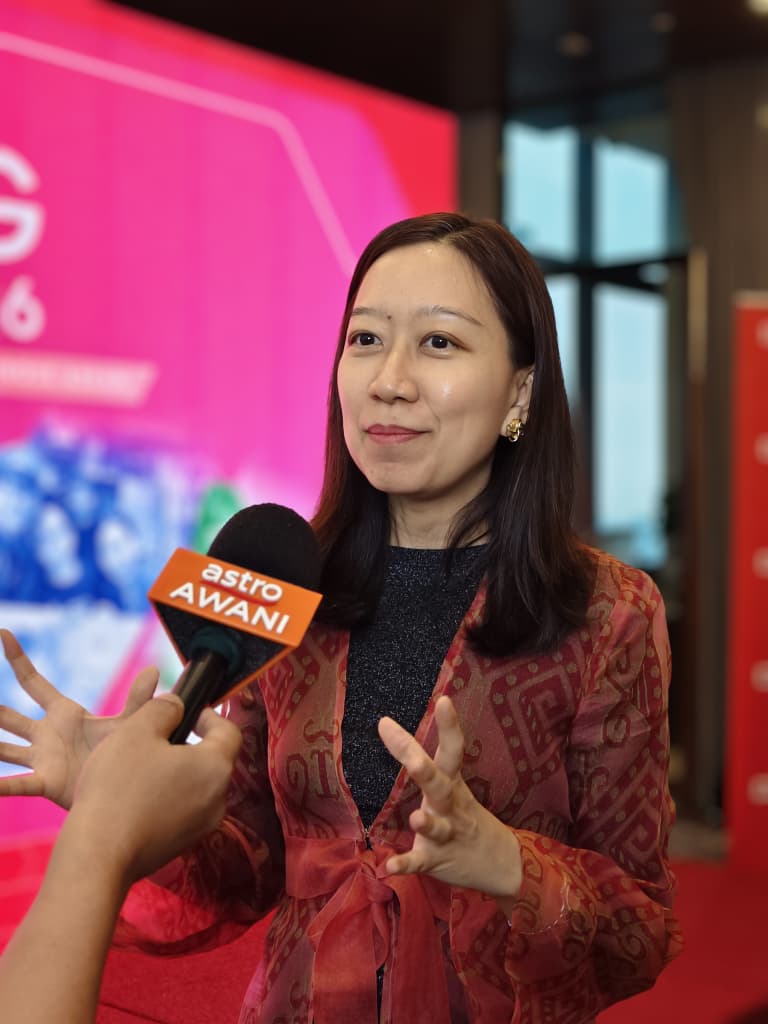
Thrive Well’s Managing Director and clinical psychologist, Ellisha Othman, said KAMI, short for Keluarga Akrab Mencapai Impian, focuses on family relationships as a protective factor for the mental health of teenagers, children and families.
Implemented with ‘Teach for Malaysia’, the programme has since 2021 graduated 69 participants, trained 15 community ambassadors, and reached more than 500 families.
She said the work began from a gap she saw in how professional mental health services reached the public.
While treatment was available through hospitals and clinics, she said many families still needed awareness, education and clearer guidance on when and where to seek help.
“What we wanted was to bring what is inside the therapy room out to the community, in a way that is friendlier to what they understand,” she told Sarawak Tribune.
She said this also meant shaping the approach according to each community’s socio-cultural context, including language, local preferences and the way people were comfortable discussing sensitive issues.
For her, the issue is also personal.
She said her mother’s younger brother was diagnosed with schizophrenia about 20 years ago in their village.
“After the diagnosis, he lost his job, and the family had to support him so he could continue with life,” she shared,
The experience, she added, showed her that treatment alone was not enough without family and community support.
“The role of family, community and community leaders is important in educating families in their community, so that individuals going through mental health issues can be supported and continue living like everyone else,” she said.
Ellisha said the lack of awareness was not limited to rural areas.
After completing her master’s programme, she found that the city of Kuala Lumpur was not much different, as many people still did not fully understand mental health.
“It is not about intelligence or whether someone went to university. Most people at that time did not understand,” she said.
“When we do not have knowledge or clear and correct information, we become prejudiced and suspicious towards those experiencing this.”
She said mental health support should not only focus on people who have been diagnosed with illnesses.
Many others, she added, also go through mental health issues at some point in life, as stress can come from work, family, neighbours, traffic, floods and other daily pressures.
“At Thrive Well, we are more focused on how to give every individual the chance to learn this knowledge. It could be techniques, tips or facts that help, so that we can prevent it,” she said.
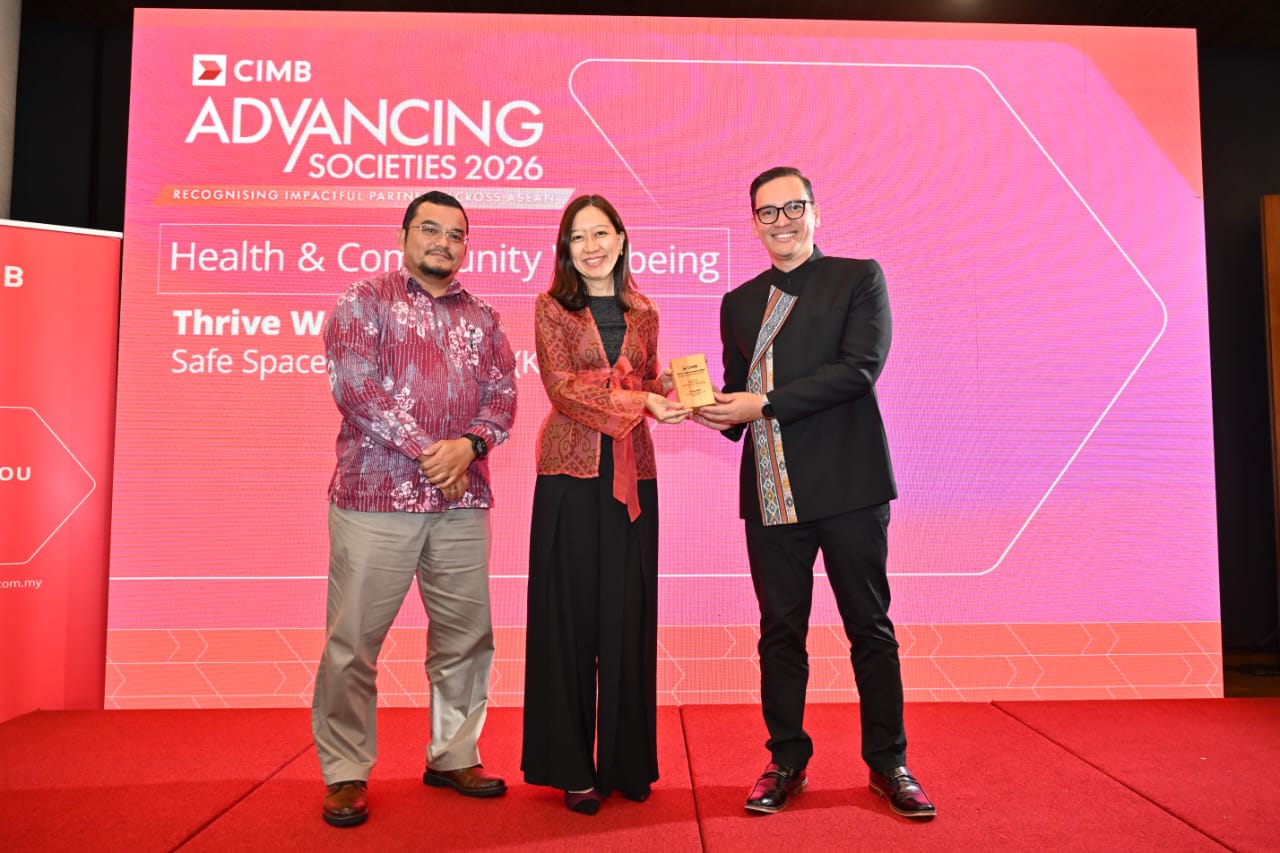
According to her, Thrive Well has also worked with CIMB Islamic Bank under the ‘Safe Saves’ programme in Taman Bukit Subang, where families received mental health education, training and workshops.
She said CIMB Islamic supported the initiative through funding as well as guidance on expanding ground networks, connecting ambassadors to programmes outside the community and advocacy so that people outside the community could understand what families were experiencing.
“From that community work, Thrive Well formed ambassadors made up of mothers and teenagers,” she added,
Ellisha said the ambassadors were not meant to replace professional treatment.
“Instead, they act as community agents who identify families in need, connect them with mental health resources and bring knowledge and experts closer to the ground,” she explained.
“They become like agents in the community, where they try to find families who need help and bring resources, mental health resources, knowledge and experts into the community.”
She said the ambassadors had continued running programmes in collaboration with Thrive Well on mental health literacy in their community.
“Their role is especially important because stigma remains high among families, particularly when mental health is raised.”
She said families were often more willing to seek help when support came through people they knew and trusted.
“When they are trusted by these families, the psychosocial support helps them become braver in getting services for their family,” she said.
She said the selection of ambassadors mattered because they must come from the family or community itself.
“In Asian society, we always talk to someone we know first. People will always have this mindset of ‘Why would I speak to a stranger?’” she said.
Therefore, Ellisha said if Thrive Well enters a school or a community, it looks for parents, teachers or community members who can become trusted champions.
“At the end of the day, with mental health, it is a lot about building trust and then giving people the education, knowledge and tools to be resilient in the long term,” she said.
In light of this, she shared that Thrive Well’s work is now organised under three main areas.
“The first is specialist mental health services, including direct therapy, family therapy and psychological assessment.
“The second focuses on companies and organisations, where Thrive Well works with human resources or health and safety teams to support employees,” she said.
“The third involves schools, where the organisation works with funders or directly with schools to support teachers, staff and parents, so that children can also be reached.”
For the wider community, she said families remained central through the ambassador model.
“What we have learned from the community, whether it is a company or family, is that we always need an ambassador. There must be one person who will make things happen,” she said.
For example, she noted that the support in the Klang Valley and Kuala Lumpur has become encouraging as awareness grows, but rural areas remain behind.
“Thrive Well has started working with other partners, including Women of Will in Kedah, as part of its plans to move beyond Kuala Lumpur,” she added.
“We also hope to expand to Borneo in the next two to three years.”
However, Ellisha said any expansion would require the right local partners, due diligence, feasibility checks and support on the ground.
“What we learned from CIMB is that network partners are important. The planning is usually long because we have to do proper due diligence and feasibility, and make sure there is support in the local area because we are not there,” she said.
For her, lasting mental health support begins with trust.
“Trust first. Without trust, you cannot build that long-term resilience,” Ellisha concluded.