Final part of a six-part series
FOR many families, the words “your child has cancer” mark the beginning of a journey they never imagined they would have to take.
It is a journey filled with uncertainty, fear, hospital corridors, sleepless nights and difficult decisions.
Some families emerge from that journey carrying unimaginable loss while others carry scars that may never fully disappear.
However, there are also stories of survival.
Stories of children who endured treatment, overcame the odds and returned to the ordinary moments that once seemed impossible – going to school, celebrating birthdays, spending time with friends and dreaming about the future.
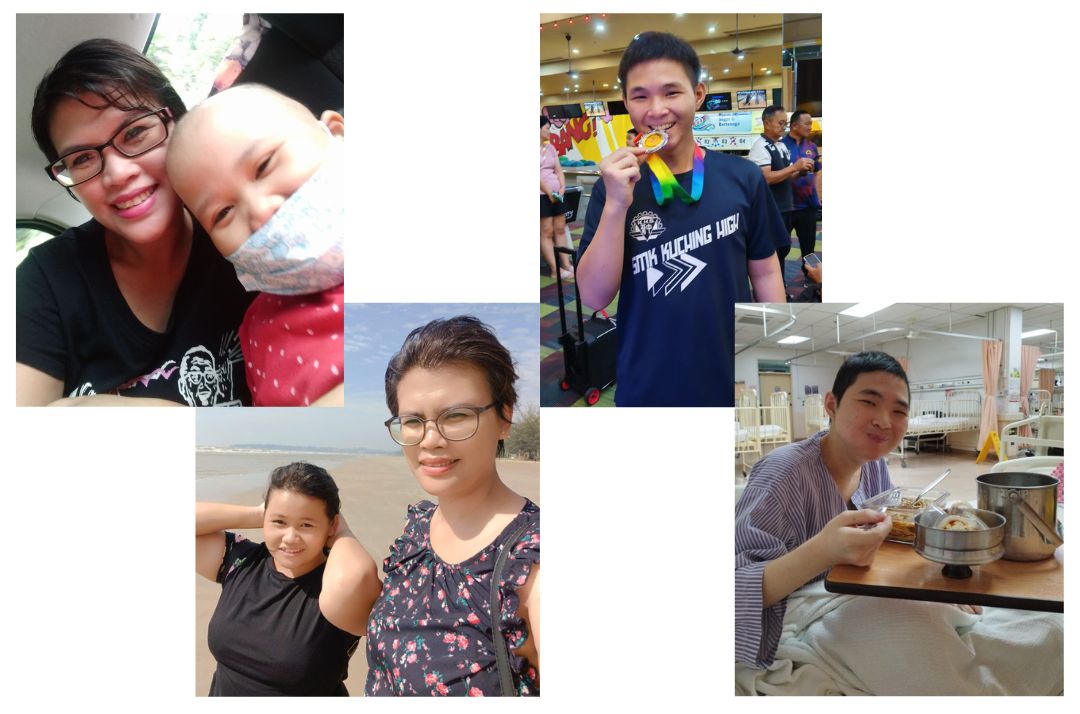
As this six-part series on childhood cancer comes to a close, the stories of Daniel Kueh and Dorothy Laura serve as reminders that while cancer changes lives forever, it does not always have the final word.
Growing up faster than most
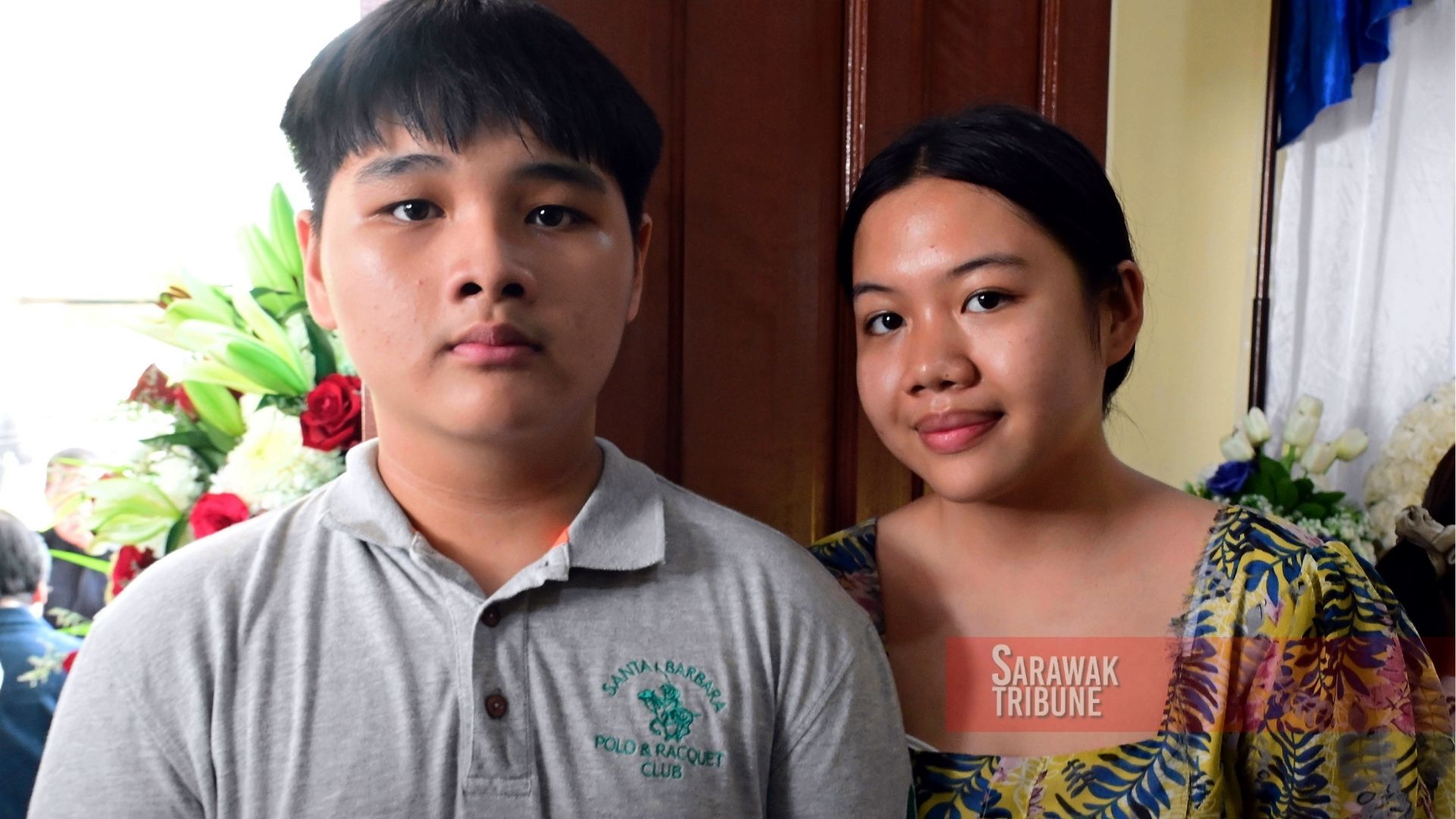
At 17, Daniel Kueh carries himself with a quiet maturity that belies his age.
Listening to him speak, it becomes clear that his perspective on life has been shaped by experiences most teenagers never have to endure.
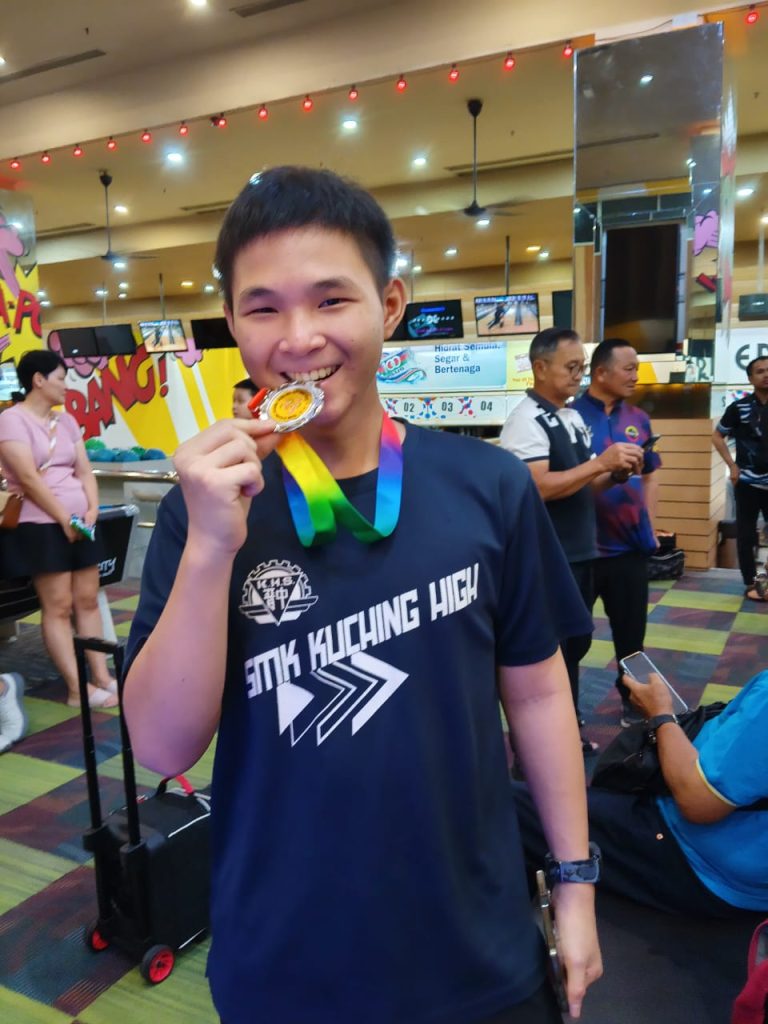
Years ago, Daniel was diagnosed with leukaemia at the age of 14. At the time, the diagnosis meant very little to him.
“When the doctor told me it was leukaemia, I didn’t know what leukaemia was,” he recalled.
Like many children, Daniel’s understanding of the illness came only after the diagnosis.
Curious to know why his life had suddenly become filled with hospital admissions, blood tests and medication, he began searching online to learn more about the disease.
“Then I went and searched online and found out what it was,” he said.
Even then, Daniel admitted he had underestimated what lay ahead. What followed was a childhood unlike that of most boys his age.
Instead of spending weekends playing with friends or worrying about school examinations, much of Daniel’s life revolved around hospital appointments, chemotherapy schedules and recovering from treatment.
“I thought chemotherapy would only last for a while, but then I realised it was six months and more,” he said.
Of all the memories Daniel carries from that period, it is the countless medications and lengthy treatments that remain etched most vividly in his mind.
He recalled that the journey took a significant physical toll, as prolonged periods confined to a hospital bed left him weak and caused him to lose muscle mass, making even simple movements more challenging during his recovery.
“What I remember most was all the medication because there was just so much of it. The hardest part was being confined to a hospital bed for such a long time. As someone who loved sports and was always active, it caused me to lose a lot of muscle mass,” he said.
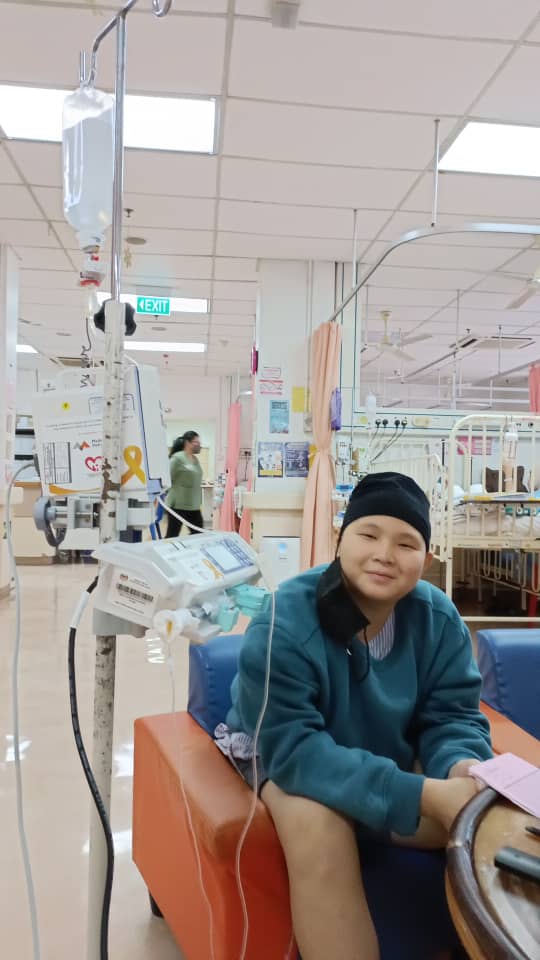
Like many survivors, Daniel had to slowly rebuild his strength after treatment as tasks that once seemed effortless suddenly required patience and determination.
Yet despite everything he endured, he speaks about the experience without bitterness as he believes it shaped him into the person he is today.
“The experience makes me different from other kids my age. I think I am a bit more mature,” he said.
Looking back, Daniel said one of the biggest lessons he learned was the importance of trusting the people around him.
He remains deeply grateful to his family as well as the doctors and nurses who cared for him throughout his treatment.
“To me, they are an indispensable part of the hospital. They paid attention to me and helped me through the journey,” he said.
Today, Daniel’s life has largely returned to normal as he attends school, spends time with his friends and looks forward to the future like any other teenager.
Yet cancer has changed the way he looks at ordinary life.
Before he became ill, good health was something he rarely thought about but it is something he values every day.
“I cherish life even more now. Even simple routines such as attending school, enjoying meals with my family or spending time with friends carry a significance that many people my age may never fully appreciate,” he said.
Daniel said cancer also taught him that resilience is often built one day at a time.
While he does not see himself as someone extraordinary, he said he is fortunate to receive another chance at childhood and life.
When your world stops
For Wilin Main, the memories of her daughter Dorothy Laura’s diagnosis remain as vivid today as they were the day doctors uttered the word “leukaemia”.
Although several years have passed since then, she can still remember every detail of those first few days — the confusion, the disbelief and the overwhelming uncertainty that followed.
“When the doctors told us it was cancer, everything felt like a blur. It was as though the world had suddenly stopped moving, but somehow we still had to keep going,” she said.
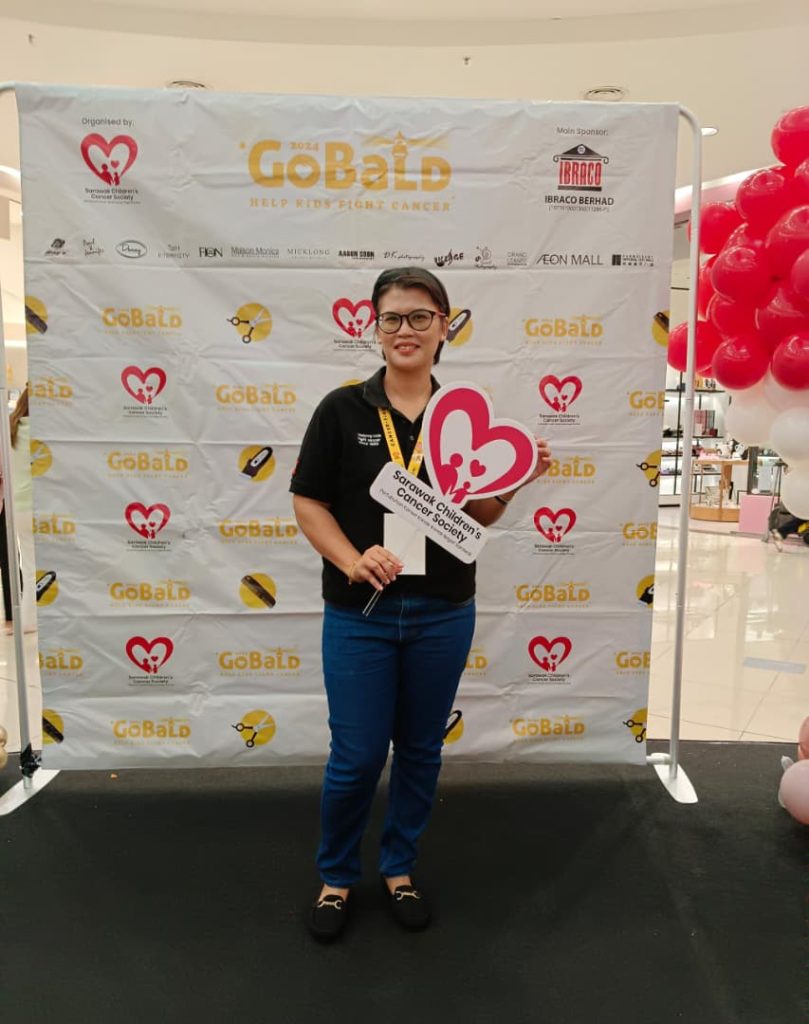
Like many parents, Wilin struggled to process what she had just heard. She had never imagined that cancer could happen to a child, let alone her own daughter.
Instead of planning school activities or family outings, she suddenly found herself learning unfamiliar medical terms, preparing for chemotherapy and trying to understand what the coming months would look like.
“I remember feeling shocked and everything was new to us. We didn’t know what to expect, so we simply followed what the doctors told us because we believed they knew what was best for Dorothy,” she said.
It was only after Dorothy was admitted at Ward 2A of Sarawak General Hospital (SGH) the Sarawak Children’s Cancer Society (SCCS) approached the family.
Before then, Wilin admitted she had never heard of the organisation.
“They came to see us in the ward. They comforted us, explained the assistance available and introduced us to the support that SCCS could provide.
“At that time, everything still felt so overwhelming, so having someone patiently explain everything really helped,” she said.
Looking back, Wilin believes that meeting SCCS during those early days changed the course of her family’s journey.
Not only did the organisation provide financial assistance, but it also gave the family something they desperately needed – reassurance that they were not facing childhood cancer on their own.
Preparing for every possibility
The experience changed Wilin in ways she never expected.
During Dorothy’s treatment, she began learning more about stem cell therapy and the medical advances available for childhood cancer patients.
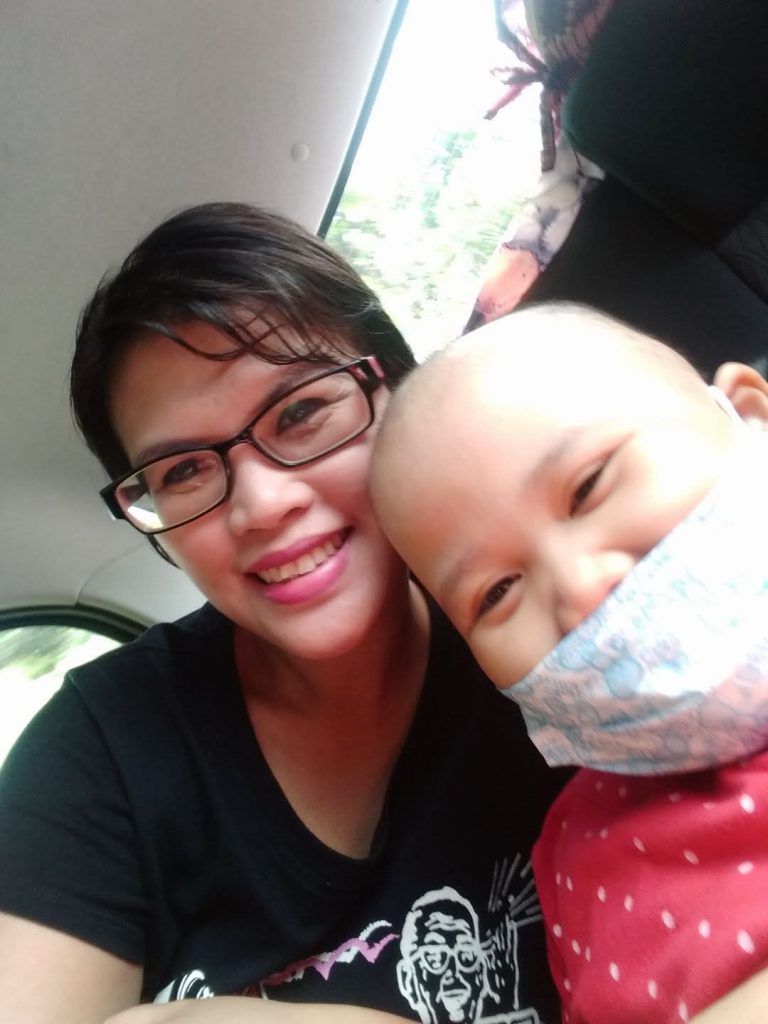
Although Dorothy responded well to treatment, Wilin admitted that the possibility of relapse was never far from her mind.
Like many parents of childhood cancer survivors, she quietly carried fears that she rarely voiced.
At the time, Wilin also became pregnant with her third child. Before giving birth, she and her husband decided to preserve their baby’s umbilical cord stem cells.
“Before Dorothy’s diagnosis, stem cell storage had never crossed our minds. After childhood cancer entered our lives, it became something we carefully considered.
“It wasn’t something we had planned before but after everything we went through, we wanted to know that if our family ever faced something like this again, we had done everything we possibly could,” she said.
While the procedure came with a considerable financial commitment, Wilin said the peace of mind it offered made the decision worthwhile.
Even today, she hopes those stem cells will never be needed.
“I pray that we will never have to use them, I hope all of my children continue to grow up healthy,” she said.
More than surviving
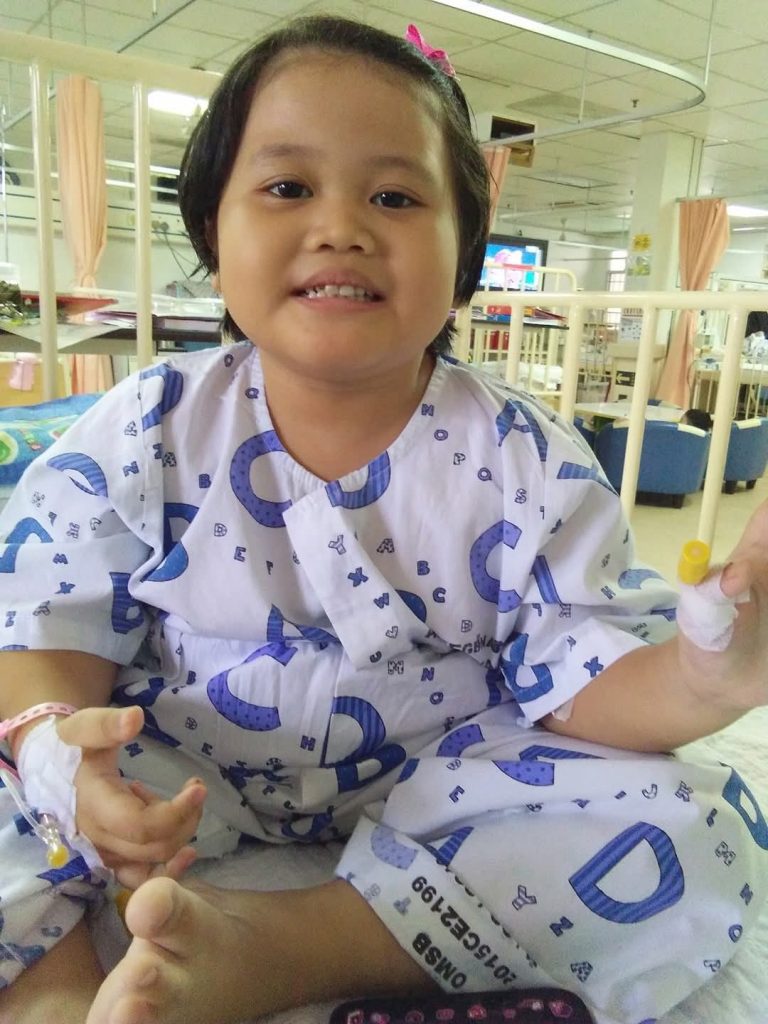
Dorothy completed treatment in 2019 and she is now a teenager with dreams, ambitions and a future that once seemed uncertain.
Watching her daughter return to school, celebrate birthdays and simply enjoy being a teenager are moments Wilin no longer takes for granted.
“There was once a time when our biggest hope was simply to see her smile again. Now, every birthday, every school year and every ordinary day feels like a blessing.
“She may not always be at the top of her class academically, but she’s smart in her own way. What matters most to me is that she’s healthy, happy and able to enjoy life,” she said.
Wilin said cancer also transformed the way the family viewed life itself.
The small moments that once passed unnoticed like eating dinner together, watching television, celebrating festivals or spending weekends at home have become the moments they cherished most.
“It made us appreciate time together much more. You never know how quickly life can change,” she said.
Giving back so others would not feel alone
For many families, completing treatment marks the end of their relationship with the hospital.
For Wilin, it marked the beginning of a different journey.
As Dorothy gradually regained her strength and life slowly returned to normal, she found herself reflecting on everything SCCS had done for her family during their darkest days.
She knew she could simply move on but she chose to come back instead.
“I felt that I needed to give back because of what SCCS had done for my daughter. It is not something we can ever truly repay.
“Similarly, while Dorothy was undergoing treatment, she required numerous blood transfusions. I know I will never be able to personally thank every blood donor who helped save my daughter’s life, so whenever I have the opportunity, I make it a point to donate blood,” she said.
Wilin first began supporting SCCS activities as a volunteer since 2017 and she eventually joined its committee in 2023.
Today, she serves as the society’s Honorary Secretary, working alongside other parents, survivors and volunteers who understand firsthand what childhood cancer does to a family.
“Every programme, fundraising event and awareness campaign carries a personal meaning. I remember what it was like to be the frightened mother sitting in a hospital ward, desperately searching for answers while trying to stay strong for her child,” she said.
Wilin believes one of the greatest forms of support comes from speaking to someone who has already walked the same road.
She pointed out that doctors can explain the medical side of treatment but counsellors are the ones who help families process their emotions.
“Parents who have survived the journey offer something different. We become living proof that there is life beyond childhood cancer.
“Sometimes we don’t need to say much. These families just need to know that someone else has gone through it and understands exactly how they are feeling,” she said.
The journey does not end with treatment
Wilin pointed out that of the biggest misconceptions surrounding childhood cancer is that everything returns to normal once treatment is completed.
In reality, she said survivorship is another chapter of the journey.
“Dorothy continues attending regular follow-up appointments to monitor her health, although the visits have become less frequent over the years. Every positive review brings relief, but there is always a small part of me that becomes anxious before each appointment.
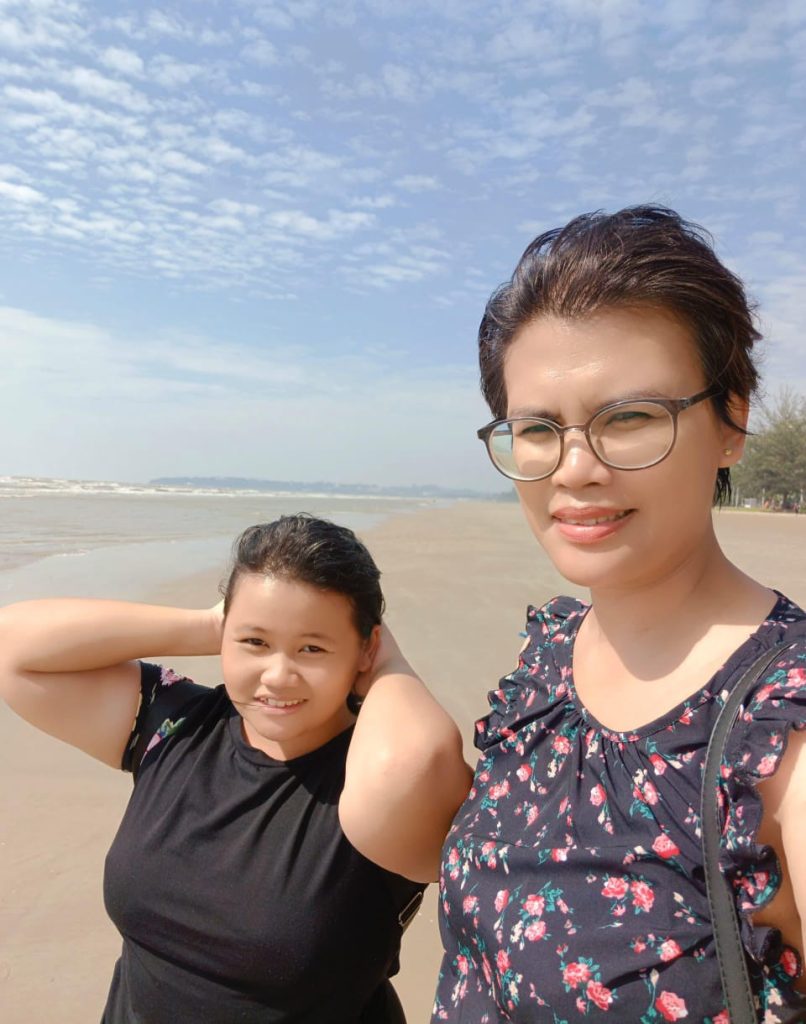
“I think that feeling never completely goes away. As parents, we will always worry,” she said.
Wilin also hopes more people understand that survivors may continue facing long-term effects from treatment, even after being declared cancer-free.
Looking back, she believes childhood cancer changed not only Dorothy, but every member of the household.
“It made us appreciate our family much more. We value the time we spend together because we know how precious it really is,” she said.
That appreciation is shared by Daniel.
While childhood cancer interrupted his early years, it also gave him a perspective many people spend a lifetime trying to find.
He no longer measures life by achievements or milestones alone. Instead, he cherishes the simple privilege of being healthy enough to attend school, spend time with his loved ones and dream about the future.
“I am cherishing life even more now,” he said.
A message to families beginning the journey
Having experienced childhood cancer from different perspectives, both Daniel and Wilin share the same message for families who have just received a diagnosis: do not lose hope.
For Daniel, the advice is straightforward.
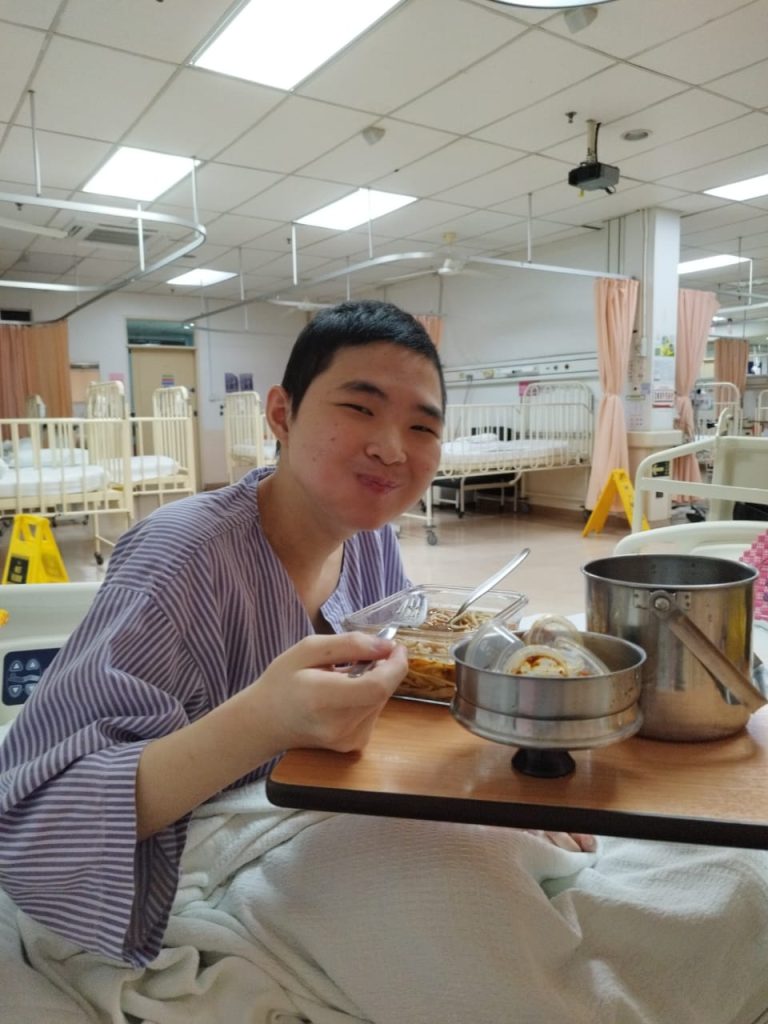
“Listen to the doctor’s advice and cooperate with the nurses and doctors,” he said.
For Wilin, hope is something she understands differently today than she did eight years ago.
She remembers feeling overwhelmed, frightened and uncertain about what lay ahead.
Now, she encourages parents to trust the medical team, ask questions, remain positive and allow others to help.
“There are so many people willing to support you. You don’t have to go through this alone,” she said.
Wilin also hopes more members of the public will take the time to learn about childhood cancer and the work carried out by SCCS.
She acknowledged that while not everyone can donate but everyone can play a role by creating awareness, learning the warning signs and sharing information that could one day help another family seek treatment earlier.
“Sometimes people only know about SCCS after their own child is diagnosed. I hope more families will know that help is available before they ever need it,” she said.
Over the past few weeks, this special report has explored not only the realities of childhood cancer, but also the extraordinary resilience of children, parents, healthcare workers, volunteers and the wider community who walk this journey together. Woven through each story is the quiet but unwavering presence of SCCS, whose role extends beyond supporting treatment to standing beside families through diagnosis, recovery, survivorship and, at times, even loss. While every family’s journey is different, one truth remains constant: no child should face cancer alone, and no family should have to walk that road without hope.