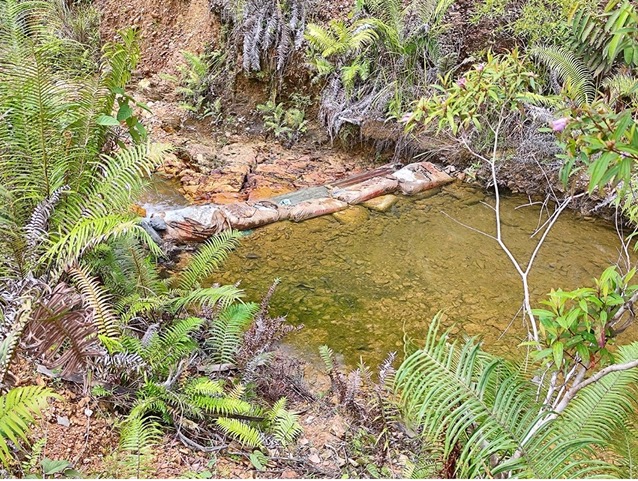
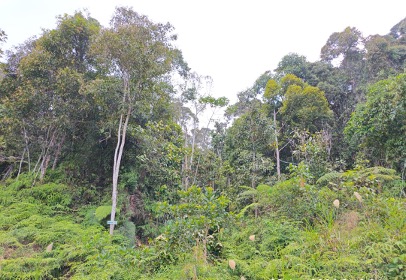
KUCHING: Sarawak’s forests, plantations and quarry sites are more than engines of economic growth. They are also where the state’s commitment to sustainable development is put into practice.
It is not just about building more roads, expanding plantations or opening new industries but ensuring development progresses without compromising the environment.
As Sarawak pursues its Post Covid 19 Development Strategy (PCDS) 2030, balancing economic growth with environmental responsibility has become increasingly important.
At the centre of that effort is the Natural Resources and Environment Board’s (NREB) Environmental Compliance Audit (ECA).
The framework aims to make environmental stewardship part of everyday business operations rather than a regulatory exercise carried out only when required.
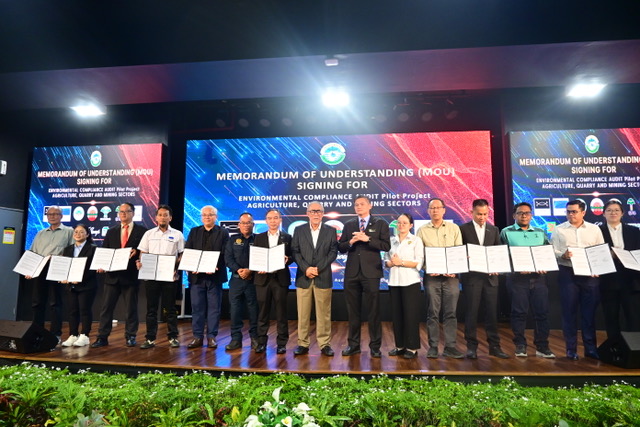
The initiative, first introduced in the forestry sector, has now expanded to agriculture, quarrying and mining through a pilot project involving 14 companies launched on Feb 24 this year.
While many development projects undergo an Environmental Impact Assessment (EIA) before they begin, NREB said environmental protection does not end once approval has been granted.
Under the Natural Resources and Environment Ordinance and the Prescribed Activities Order 1994, prescribed projects must first complete an EIA prepared by registered environmental consultants before implementation.
“The EIA, prepared by registered environmental consultants on behalf of the project proponents, is assessed by NREB to ensure adequate environmental safeguards are in place.
“Approved projects are issued Terms and Conditions (T&C) outlining their environmental obligations,” the board explained.
The assessment enables NREB to determine whether sufficient environmental safeguards are in place before approving a project.
Once approved, developers are required to comply with the Terms and Conditions throughout every stage of the project’s implementation.
These conditions are intended to ensure environmental commitments made during the approval process are translated into practical measures on the ground, supporting responsible and sustainable development.
Environmental commitments, however, must be translated into daily operations instead of remaining conditions on paper.
That is where the ECA comes in, encouraging companies to build environmental responsibility into their routine operations.
Unlike conventional enforcement that focuses on inspections after problems arise, the ECA encourages companies to identify environmental risks early, carry out regular internal audits and undergo independent external assessments to verify compliance.
“Effective environmental protection requires consistent day to day implementation.
“Through ECA, companies make compliance part of daily operations, conduct internal audits to monitor performance and undergo independent external audits to verify compliance.
“This structured approach strengthens accountability, reduces risks and ensures that Sarawak’s development progresses responsibly and sustainably,” NREB said.
The forestry sector became the first industry in Sarawak to pilot the framework in 2017 through a collaboration with the Sarawak Timber Association.
Forest operators trained internal auditors to better understand EIA approval conditions and incorporate environmental best practices into their daily operations ahead of the framework’s full implementation in 2024.
“The pilot provided a hands-on platform for industries to prepare for the full rollout of the Natural Resources and Environment (Audit) Rules 2008 and Guidelines,” it said.
The structured audit process enabled companies to identify environmental issues early.
It also allowed corrective measures to be implemented promptly while supporting continuous improvements in environmental performance.
“By taking this bold step, the forestry sector led by example, demonstrating that compliance and environmental stewardship can go hand in hand and setting a benchmark for other industries in Sarawak,” the board added.
Building on that experience, the board believes the latest pilot involving agriculture, quarrying and mining companies will strengthen environmental compliance across more industries.
The programme encourages participating companies to incorporate sustainable environmental practices into their daily operations while strengthening internal capacity and promoting environmental leadership.
“It support Sarawak’s sustainable development agenda under PCDS 2030, contribute to green growth and enhance the industries’ reputation in global markets where strong environmental performance is increasingly valued.
“By improving processes and building internal capacity, companies are gradually making compliance a core part of how they operate, reflecting their commitment to environmental stewardship and accountability,” it said.
The board stressed that environmental protection cannot rely solely on regulators.
Instead, industry leaders, project managers, environmental consultants, workers and local communities all have important roles to play in ensuring responsible development.
“True sustainability requires collaboration across all stakeholders.
“Industry leaders must take ownership of compliance, project managers must embed environmental obligations into daily operations, environmental consultants must provide accurate guidance, workers must follow protocols and communities must stay informed and engaged,” it said.
At the heart of the ECA is the principle of self-regulation.
Rather than waiting for enforcement action, companies are encouraged to identify environmental issues proactively and implement solutions before they develop into larger problems.
NREB said this represents a gradual shift from enforcement towards partnership, where regulators and industries work together to prevent environmental risks while safeguarding Sarawak’s rivers, forests and land for future generations.
As Sarawak continues to pursue industrial growth under PCDS 2030, the board believes environmental compliance must evolve alongside development.
Rather than treating compliance as a one-time requirement, the ECA encourages companies to make environmental management an ongoing process that supports responsible business practices and long-term sustainability.
“The ECA framework is constantly evolving, with procedures refined, reporting improved and lessons from audits shaping ongoing practice.
“What matters most is not perfection, but clear direction and unwavering commitment to responsible operations.
“Through ECA, growth today is aligned with sustainability for tomorrow, reinforcing that environmental stewardship is everyone’s responsibility,” it said.