AN establishment’s first impression often lies in the image it presents.
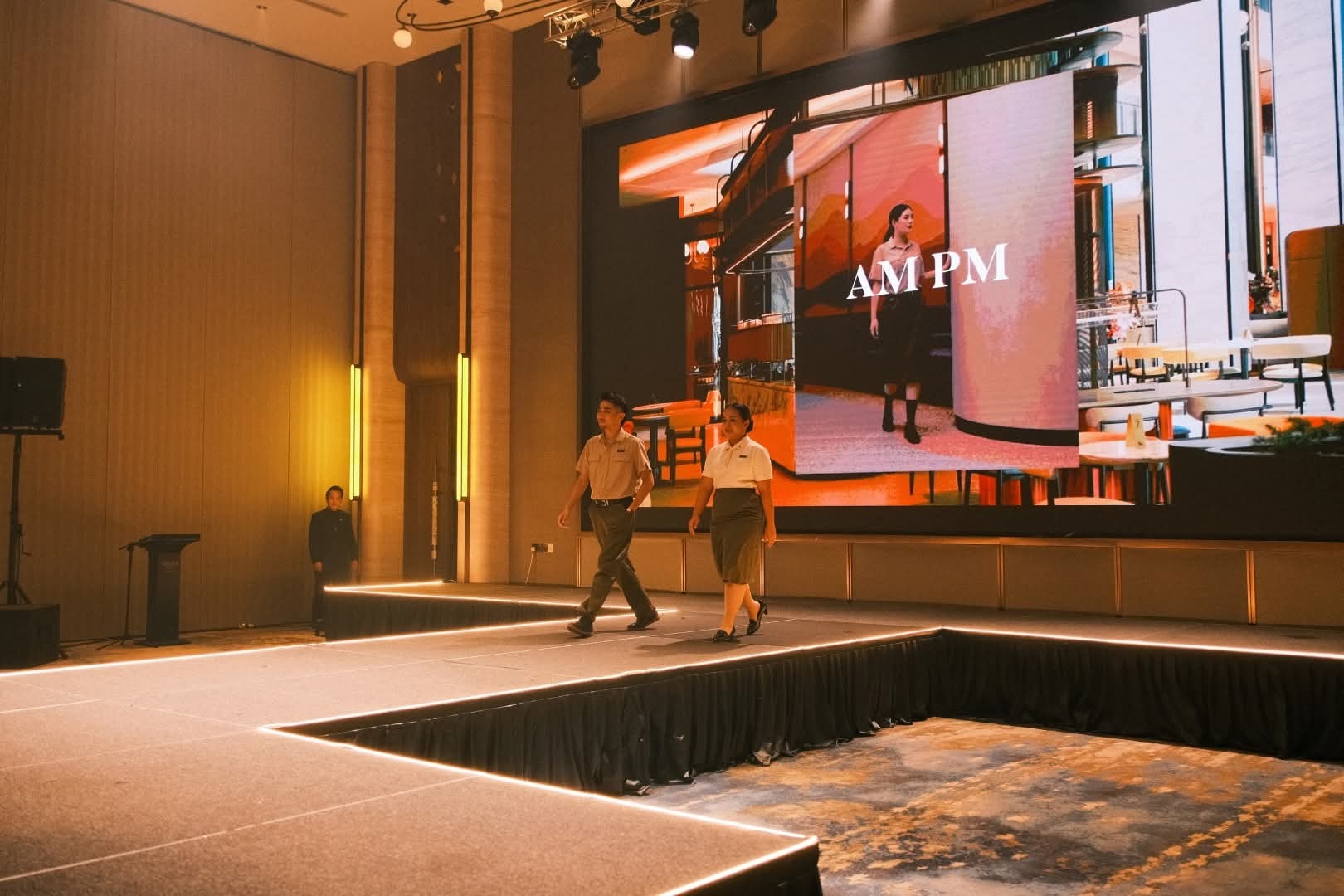
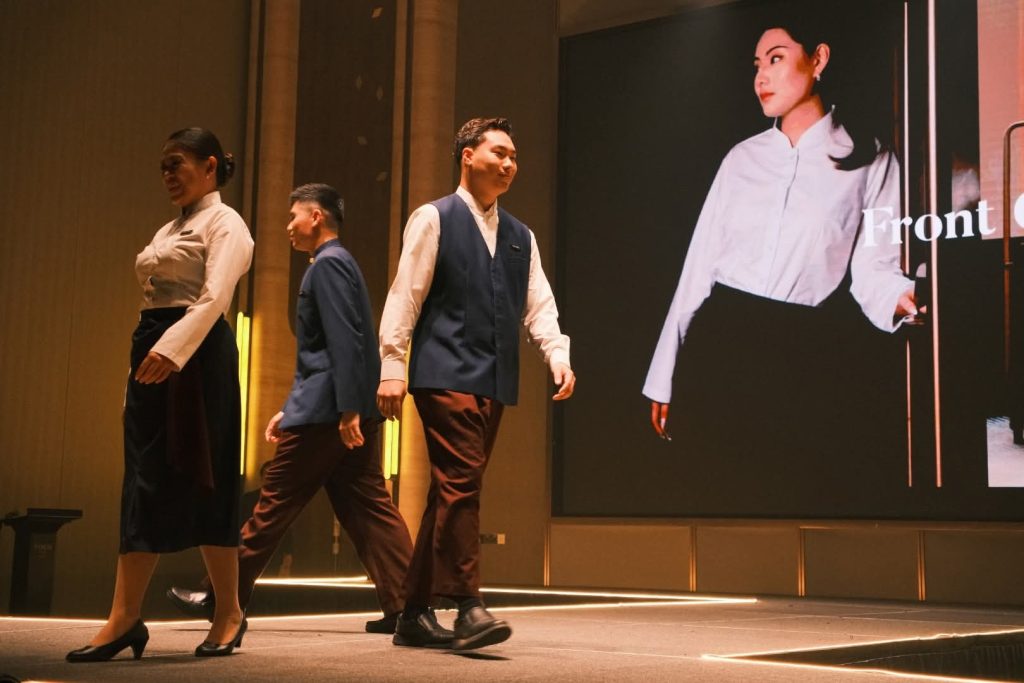
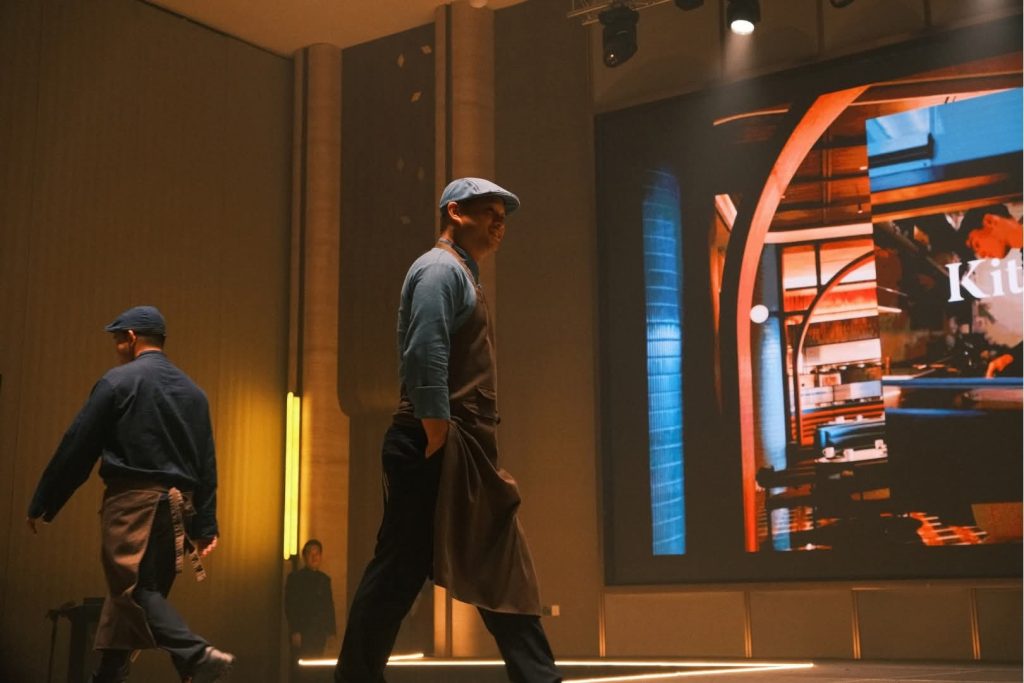
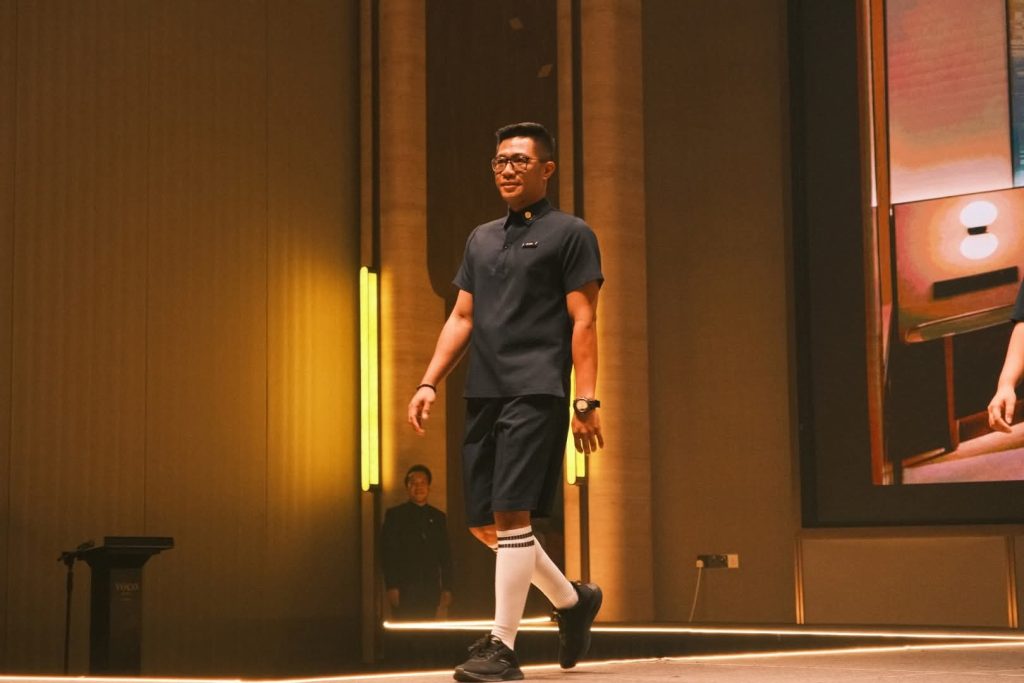
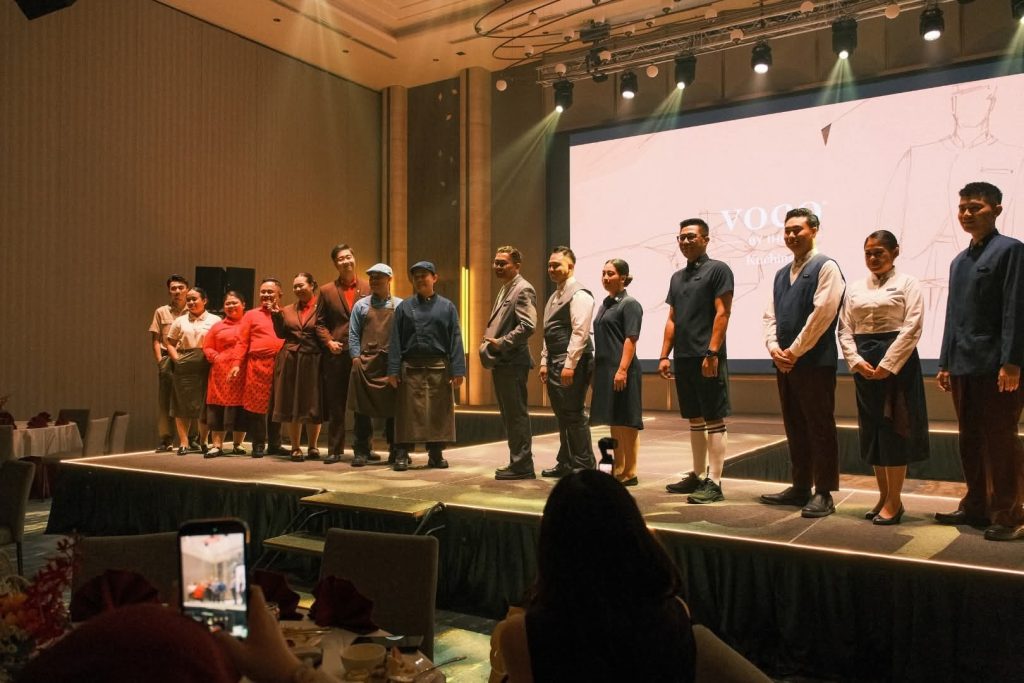
With the recent opening of voco Kuching, the uniforms worn by all the staff members exude elegance and practicality while subtly incorporating elements inspired by Sarawak’s rich cultural heritage.
Behind the designs is designer and creative director Jonathan Liang.
Guided by a philosophy of understated simplicity, contemporary luxury and thoughtful artistic direction, he ensured the hotel’s identity was reflected not only in its interiors but also in the uniforms worn by its staff.
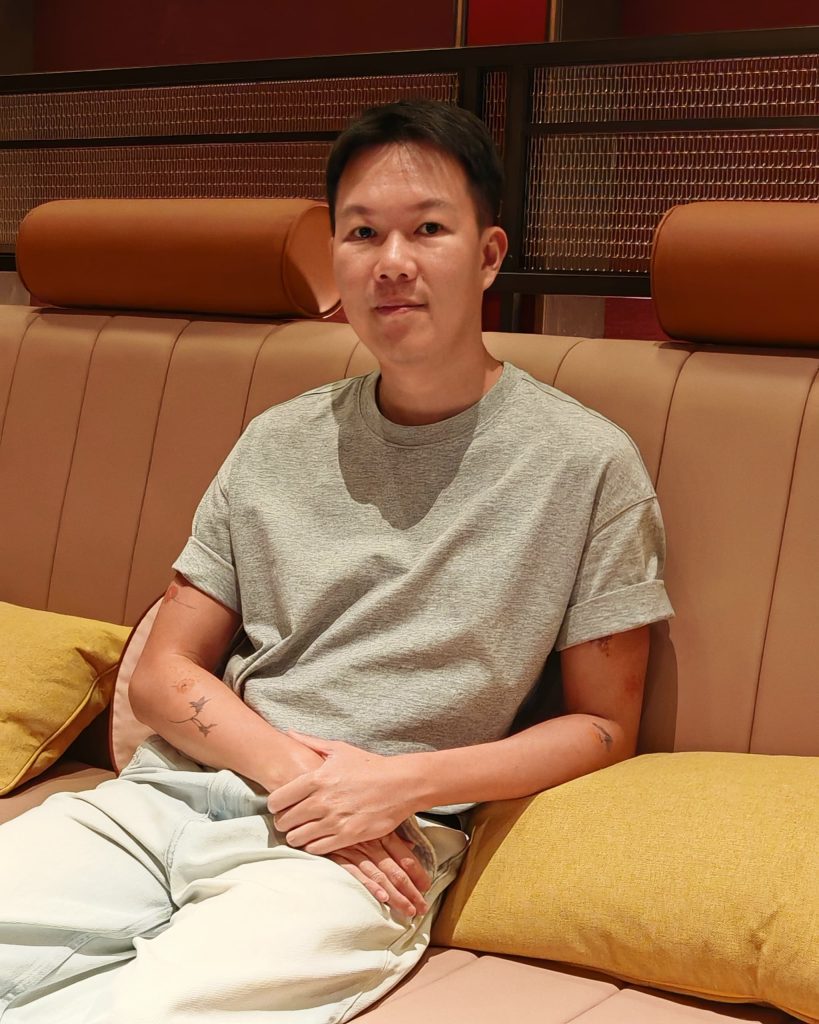
When he was briefed about the work to be done, Liang knew the uniforms had to complement the hotel’s carefully designed interiors.
“I felt that it should feel seamless, so when guests come in, they are not overwhelmed by too much going on. I wanted something subtle, yet representative of Sarawak as a whole.”
Liang said the process, from visualisation to the final design, took more than a month.
It also involved researching Sarawak’s diverse cultures before translating his findings into designs that were practical, understated and fitting for the hotel.
“So using the information I gathered, I kept the colour palette very minimal, while choosing colours that are closely associated with Borneo.
There are shades of brown that represented the wood elements here, azure blue inspired by the skies and seas, and a terracotta shade that reflects the colour of clay.”
As the uniforms were made to wear for long hours, Liang carefully considered both the design and the choice of fabric, opting for materials with as many natural fibres as possible.
“The staff wearing them would feel comfortable walking and moving around.
Using less polyester also makes them much easier to wear and better for the skin.
It’s less about creating a strong hotel identity, and more about complementing the entire journey of the hotel’s overall experience,” added the 38-year-old.
Among the design elements, Liang is particularly proud of the subtle drip effect incorporated into selected garments and the way the fabric drapes.
Inspired by traditional weaving techniques, these details serve as a quiet nod to Sarawak’s cultural heritage without overwhelming the overall design.
Although this was not his first venture into designing for the hospitality industry, Liang said every design was created with the aim of honouring the spirit of the brand while giving staff a sense of pride every time they wore the uniform.
Beyond the aesthetics
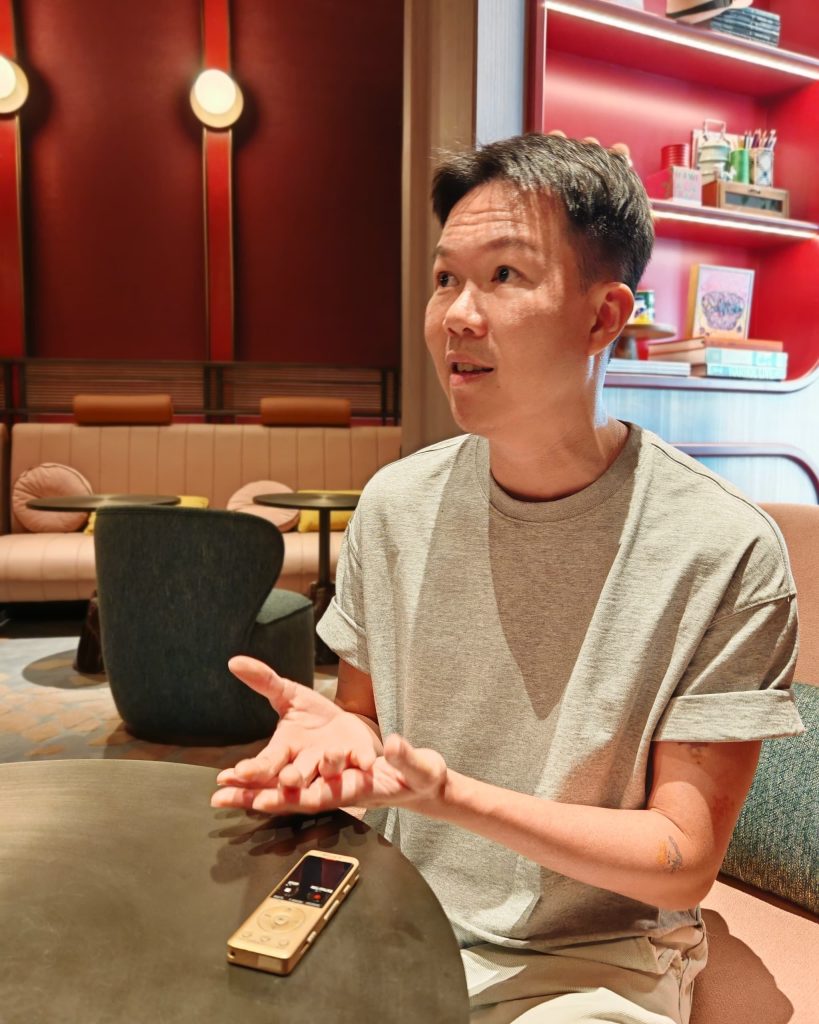
Trained as a luxury pre-collection designer who worked with renowned fashion houses Dior and Givenchy in Paris, Liang said his passion for fashion began with a love for the arts.
Even as a young boy, he had a natural flair for creativity. “I am actually a fine arts graduate.
I loved drawing when I was younger, and my parents encouraged me to pursue it further.
So when I wanted to create something more tangible, I explored several options and eventually found my way into fashion.”
Having spent 18 years in the industry, Liang admitted he was an arrogant designer in his younger days.
Winning numerous awards and receiving invitations to prestigious fashion shows in London fuelled his confidence and, as he described it, his ego.
However, working at Dior and Givenchy became a turning point.
“It was there that I realised there were thousands of people who were better than me.
That humbled me and opened my eyes to so many lessons.”
The experience also reshaped his design philosophy.
“My design philosophy changed.
It went from designing what I liked and what I wanted to say all the time to designing what women really want, with respect for women becoming my core philosophy.
I always enter a room understanding that because I’m not a woman, I will never know best.”
A rebranding of Jonathan Liang
Having learnt many valuable life lessons in his twenties, Liang returned to Malaysia in 2019 after putting his eponymous label, Jonathan Liang, on hold.
He later took on key roles as creative director for Bonia and Braun Büffel.
He described fashion as a fast-moving industry where trends emerge in the blink of an eye.
“This industry moves incredibly fast.
If we don’t move with it as fast, we risk getting left behind.
One of the biggest challenges is balancing both sides — being creative while also having to justify my work and my design team’s research to stakeholders.”
Those pivotal moments also prompted him to rebrand himself as a person.
“I’ve always been quite rebellious.
I liked swimming against the tide and finding ways to justify why something should work differently.
But I think there comes a point when you’re mature enough to see things from another perspective.”
Today, he and his partner, Brandon, run Maro Collective, a creative studio that consults for brands in the fashion, luxury and skincare industries.
Together with three other partners, they also launched the clothing label Day Job Club.
For Liang, the venture stems from the belief that meaningful work can only be created alongside people who share the same vision.
When he is not working or thinking about work, Liang unwinds by keeping up with pop culture, exploring different cultures, playing mobile games and, as he jokingly puts it, being “chronically online”.
“Sometimes I stop thinking about work and start thinking about something else.
My mind is constantly moving. It’s like having multiple tabs open, and I can’t close any of them.”
Looking ahead, Liang hopes to continue expanding Day Job Club by exploring collections inspired by the realities of modern working life and transforming everyday experiences into wearable designs.
Regardless of the role he takes on, Liang’s unwavering design philosophy continues to shape the identity of every project he undertakes.