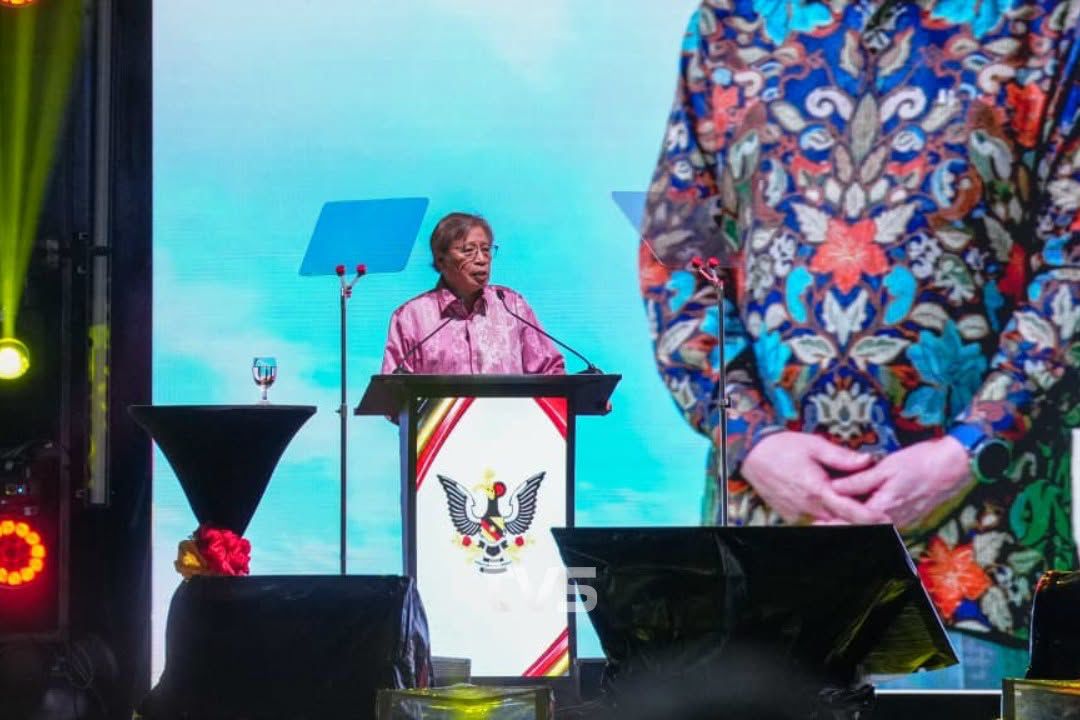
SIBU: Sarawak is leveraging its abundant renewable energy resources to position itself as Malaysia’s and ASEAN’s green energy hub, with power generation capacity expected to reach 10 gigawatts by 2030 to support future industrial growth.
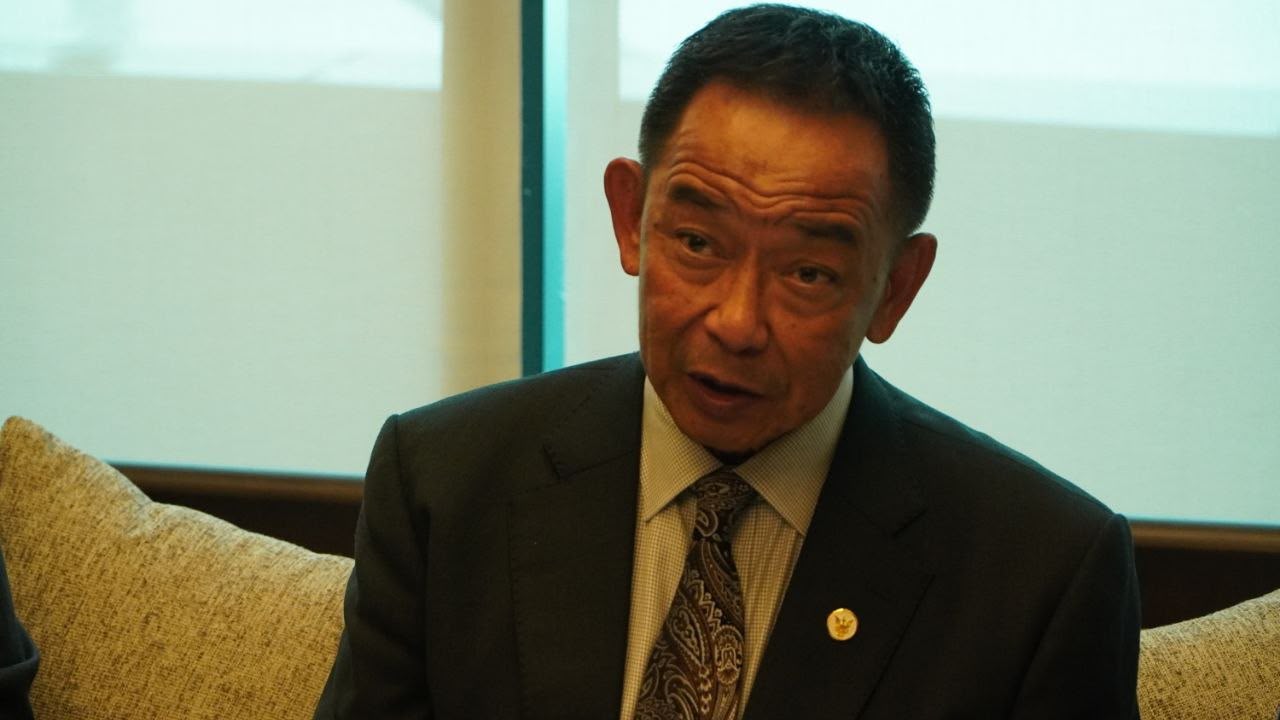
Premier Datuk Patinggi Tan Sri Abang Johari Tun Openg said the world was undergoing the biggest energy transition in modern history, presenting Sarawak with a unique opportunity to capitalise on its natural advantages in the shift towards a low-carbon economy.
“The world is now undergoing the biggest energy transition in modern history. In a global environment that emphasises decarbonisation and a low-carbon economy, Sarawak has tremendous advantages.
“We have vast hydropower resources, strong potential for solar energy, biomass and natural gas that can serve as a transition fuel towards a net-zero economy. Therefore, we are building Sarawak as a green energy hub not only for Malaysia, but also for the ASEAN region,” he said.
He said this during the Sarawak Day 2026 gathering at Dataran Tun Tuanku Bujang on Wednesday (July 22) night.
Abang Johari said Sarawak’s energy generation capacity was projected to increase to 10 gigawatts by 2030, ensuring sufficient electricity supply to support the state’s expanding industrial sector and future economic development.
He said the state aimed to turn green energy into one of its key competitive advantages while contributing to Malaysia’s National Energy Transition Roadmap (NETR).
“This clean energy supply will become a key factor in attracting global investments because industries today increasingly choose locations that can offer stable, competitive and low-carbon energy,” he said.
Beyond renewable energy, the Premier said Sarawak had also emerged as Malaysia’s leader in the hydrogen economy, with projects now moving beyond research into practical applications that directly benefit the people.
He said the first phase of the Hydrogen Hub supporting the Autonomous Rapid Transit (ART) system was scheduled for completion by the end of this year.
“Apart from hydropower, Sarawak is also leading the development of the hydrogen economy in Malaysia. What we are building today is no longer merely research or pilot projects. Instead, it is being translated into real applications that benefit the people.
“This project proves that hydrogen technology is no longer just a concept of the future, but is becoming a reality in Sarawak,” he said.
With the development of this hydrogen hub, Abang Johari said Sarawak is not only supporting the national energy transition agenda, but is also becoming an example of how green technology can be applied in a modern public transport system.
He expressed confidence that Sarawak’s experience in hydrogen development would become an important reference for Malaysia in expanding the use of hydrogen as a future energy source.
He said the state’s investments in green energy, hydrogen and low-carbon industries would benefit not only Sarawakians but also help Malaysia fulfil its international climate commitments.
“When Sarawak develops green energy, hydrogen and low-carbon industries, the benefits are not only enjoyed by the people of Sarawak. What we are building today is actually helping Malaysia fulfil its international commitments to reduce carbon emissions, increase the use of renewable energy and strengthen the nation’s energy security.
“That is why I have always said that Sarawak’s development should be seen as part of Malaysia’s economic development. When Sarawak becomes a green energy hub, Malaysia will have a stronger energy foundation to attract investments, develop new industries and compete globally,” he added.