AS the world observed World Hepatitis Day on July 28, it is important to raise global awareness of the disease as part of efforts towards its elimination by 2030. Led by the World Health Organisation (WHO), the goal is to reduce new infections by 90 per cent and hepatitis-related deaths by 65 per cent compared with 2015 levels.
WHO also reported that 287 million people were living with chronic hepatitis B or C in 2024, while only 45 per cent of babies received the hepatitis B vaccine within 24 hours of birth in the same year. In terms of mortality, 1.3 million people died from chronic hepatitis B and C in 2024.
Although effective vaccines, accurate diagnostics, curative treatments for hepatitis C, and lifelong therapies for hepatitis B are now available, millions of people remain undiagnosed, untreated or unable to access care due to stigma, limited awareness, gaps in healthcare systems and persistent inequalities.
Meanwhile, the Malaysian National Health and Morbidity Survey 2020 estimated that approximately 0.4 per cent of Malaysians aged 15 and above had hepatitis C, representing roughly 90,000 people at the time.
In Sarawak alone, it is estimated that about 8,000 people are living with hepatitis C, based on the state’s population aged 15 and above of approximately 2 million.
Hepatitis C, a silent killer
Sharing more about hepatitis C, Timberland Medical Centre, Kuching, Resident Consultant Gastroenterologist and Hepatologist Dr Liew Shan Fap said the disease is an infection of the human liver caused by the hepatitis C virus (HCV).
“The infection causes persistent inflammation of liver tissue, leading to scarring known as fibrosis and eventually severe scarring called liver cirrhosis. Liver cirrhosis can then result in liver failure and liver cancer,” he explained.
Unlike hepatitis B, which was discussed with Sarawak Tribune in 2024, Dr Liew described hepatitis C as a “silent disease” because most people experience minimal or no symptoms during the early stages of infection.
“A person may feel completely healthy while the virus is slowly damaging the liver. Symptoms may only become noticeable at a later stage of hepatitis C infection when liver cirrhosis develops.
“Therefore, blood testing is required to detect the disease early,” said the doctor.
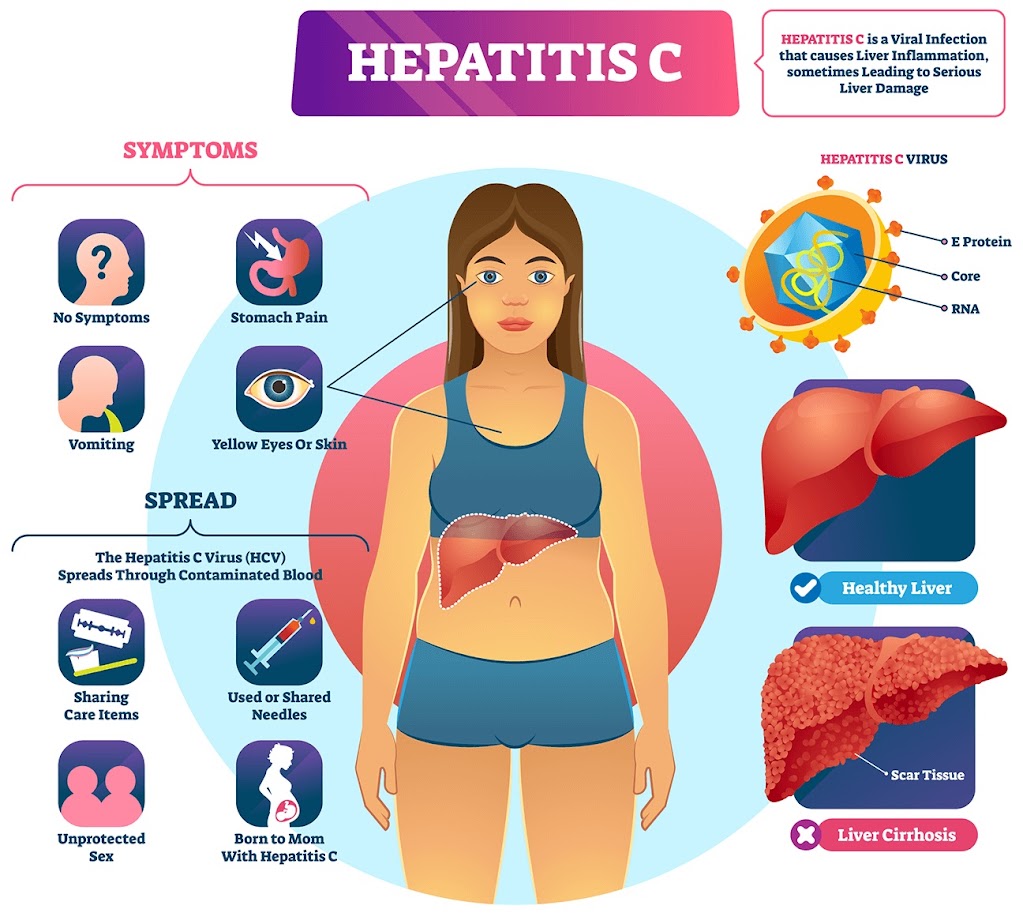
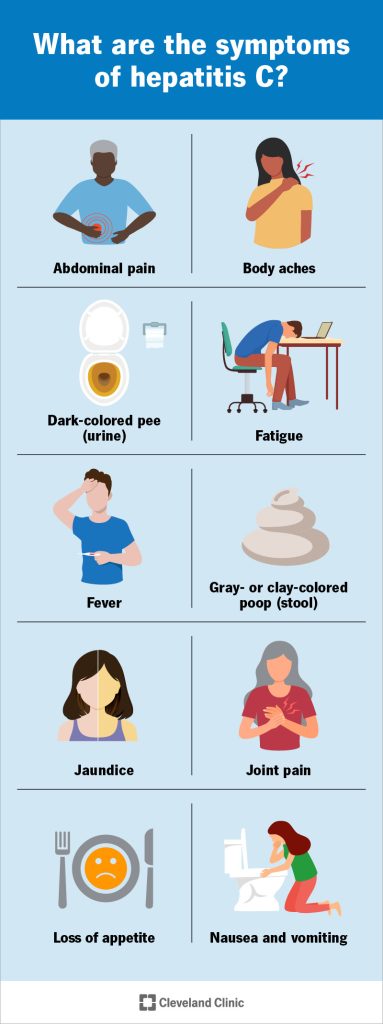
Mild and often unnoticed symptoms may include tiredness or reduced energy levels, nausea or poor appetite, muscle aches or joint discomfort, and mild pain or discomfort in the upper right abdomen.
At a later stage, symptoms may include abdominal swelling caused by fluid buildup (ascites), dark or tea-coloured urine, and yellowing of the eyes or skin (jaundice).
Although myths persist that hepatitis can be transmitted through hugging or saliva, Dr Liew said the reality is far more complex than these common misconceptions suggest.
Explaining how hepatitis C is transmitted, he said infection occurs through direct exposure to infected blood, including through:
Sharing needles, syringes or other injecting equipment, particularly among people who inject drugs
Medical or dental procedures performed using inadequately sterilised equipment
Tattoos, piercings or traditional procedures involving contaminated instruments
Sharing razors, toothbrushes, nail clippers or other personal items that may be contaminated with blood
Blood transfusions or organ transplants performed before effective blood screening measures were introduced
Accidental needle-stick injuries among healthcare workers
Transmission from an infected mother to her baby, although this is relatively uncommon
Sexual transmission, although this is generally less common than blood-borne transmission
Left untreated, chronic hepatitis C can progressively damage liver tissue, potentially leading to complications such as liver fibrosis, liver cirrhosis, liver failure and liver cancer.
Furthermore, while uncommon, hepatitis C can also affect other parts of the body and has been associated with certain kidney, blood vessel, skin and immune system disorders.
Since there is currently no effective vaccine against hepatitis C, unlike hepatitis A and B, Dr Liew emphasised that screening donated blood and maintaining strict infection-control standards in healthcare facilities remain essential public health measures.
Nevertheless, most people can live normal, healthy lives after successful treatment, particularly when hepatitis C is detected early and cured before advanced liver damage occurs.
However, a person who has been cured can still become infected again because successful treatment does not provide lifelong immunity.
As the world works towards eliminating viral hepatitis as a public health threat by 2030, Dr Liew stressed that awareness remains one of the most powerful tools in the fight against the disease.
“Many people with hepatitis C do not know they are infected because they feel completely well. Early screening allows us to detect the infection before irreversible liver damage develops, and with today’s highly effective treatments, most patients can be cured,” he said.
He urged those with risk factors or concerns about possible exposure not to delay seeking medical advice, emphasising that early diagnosis not only saves lives but also helps prevent further transmission.
“Increasing awareness, reducing stigma and encouraging more people to come forward for testing are key to achieving a hepatitis-free future,” he added.