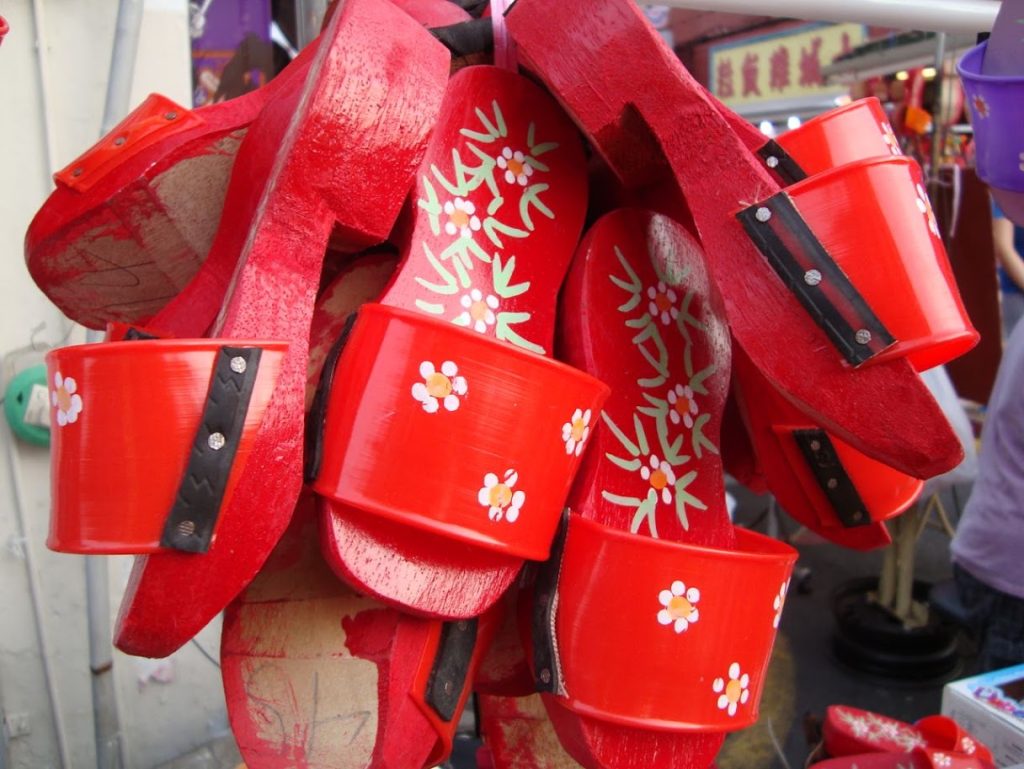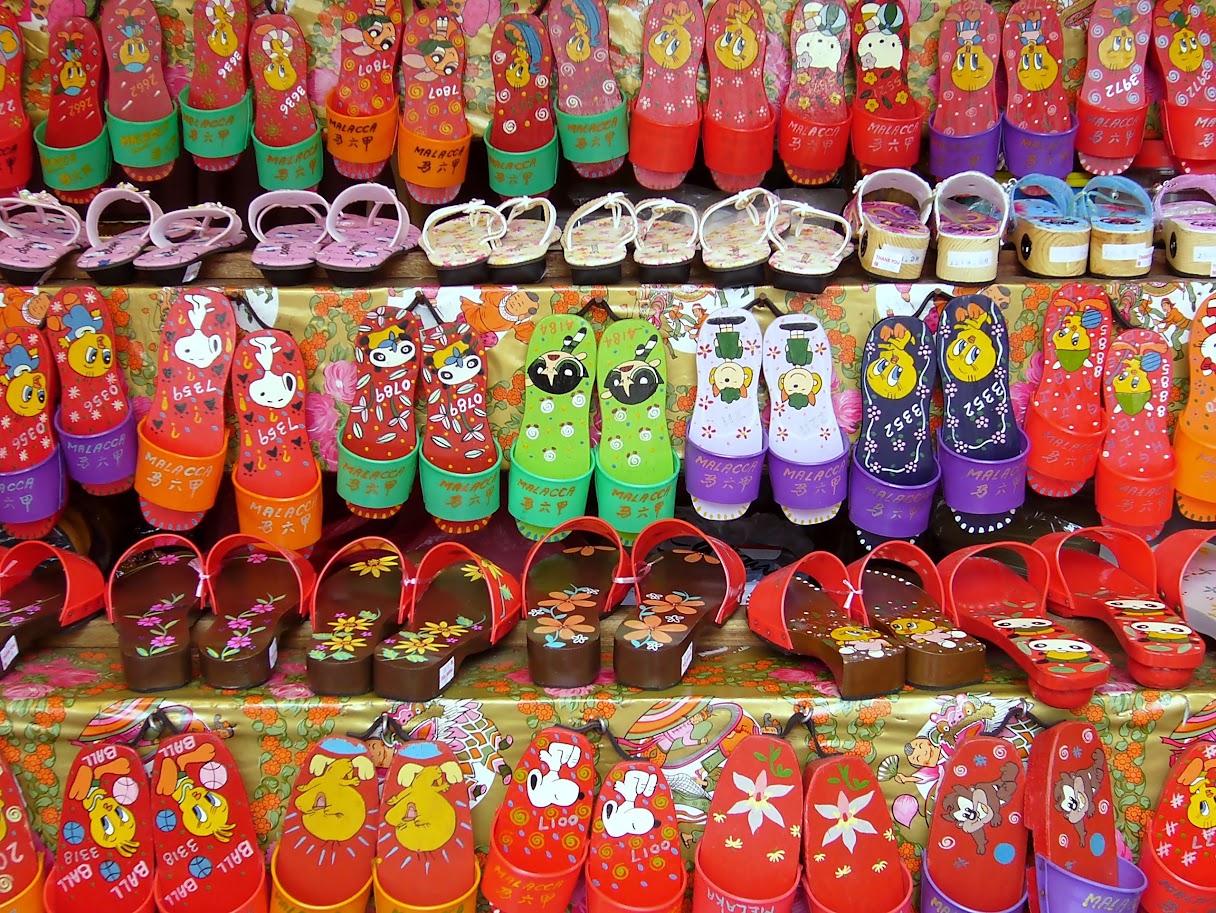
BEFORE rubber slippers and modern footwear became everyday essentials, terompah – traditional wooden clogs – were a common sight across Malaysia. Once worn as practical footwear by communities from different cultural backgrounds, these humble wooden shoes are now becoming a symbol of heritage, craftsmanship and nostalgia.
Clogs are among the world’s oldest forms of footwear, with variations found across many cultures. Made either entirely from wood or with wooden soles, they were designed for durability and protection. In many parts of Asia and Europe, clogs were worn by farmers, workers and villagers because they could withstand harsh conditions while keeping feet dry.
In Malaysia, traditional wooden clogs were commonly known as ‘kah kiak’ among the Hokkien community. They were worn by Baba Nyonyas, Chinese, Indians and Malays before rubber slippers became widely available. Their simple yet practical design made them suitable for everyday activities, especially in wet and muddy environments.
Unlike modern slippers, terompah offered better protection against water and dirt. The wooden sole kept the feet elevated from damp surfaces, while the sturdy construction meant they could last for years with proper care.
However, as modern footwear became cheaper, lighter and more comfortable, the popularity of wooden clogs gradually declined. Many younger generations now see terompah as old-fashioned, with fewer craftsmen continuing the traditional trade.
Despite this, terompah has not disappeared completely. In some communities, red wooden clogs continue to be used as decorative items during Chinese weddings, where they represent tradition and cultural heritage.
Around the world, wooden footwear has also experienced a revival. Japanese geta, Swedish träskor and Dutch klompen have moved beyond their traditional roles and are now recognised as cultural icons, with some appearing in contemporary fashion collections.
Inspired by this renewed interest, some Malaysian clogmakers have adapted their designs to appeal to modern consumers.
Traditional shapes are being combined with contemporary colours, patterns and custom designs, allowing terompah to remain relevant while preserving its heritage.
More than just footwear, terompah represents a connection to the past – a reminder of a time when everyday objects were built for practicality, durability and craftsmanship. As interest in traditional arts and sustainable fashion continues to grow, these wooden clogs may find a new generation of admirers.