KUCHING: Waterproofing failures are leaving Malaysian building owners with repeated repair bills, operational disruption and rising long-term costs.
By some industry estimates, up to 80 per cent of building defects in Malaysia are linked to waterproofing failures, while recent surveys found nearly nine in 10 homeowners had experienced water leakage issues.
It also said that the problem affects homes, hotels, commercial assets and public infrastructure, often beginning with a ceiling stain or damp wall before developing into a recurring and costly problem.
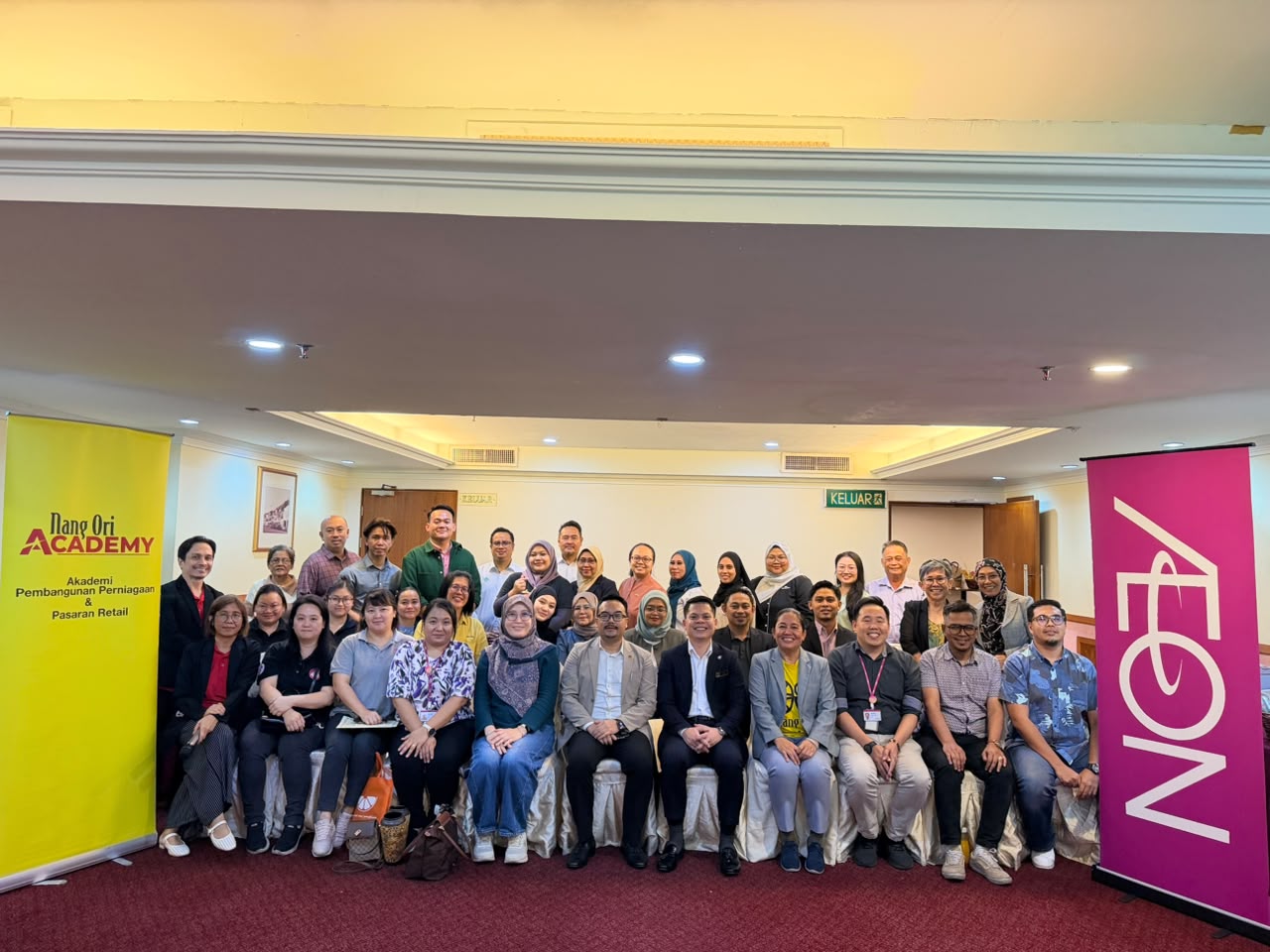
The issue was discussed at a recent waterproofing workshop organised by Nippon Paint Malaysia, which brought together developers, property managers and other industry stakeholders.
Nippon Paint Malaysia general manager Tay Sze Tuck said waterproofing problems were rarely caused by a single failure point.
“Most waterproofing issues are not caused by one single failure point.
They are usually the result of incomplete systems, improper application, insufficient understanding of environmental conditions, or decisions made with short-term cost considerations instead of long-term performance in mind,” he said.
He said many stakeholders continued to underestimate the cost of recurring waterproofing failures over a building’s lifecycle. “The consequences may not emerge immediately.
Leaks can reappear months or years after a building is handed over, sometimes after the defect liability period has ended.
“By then, the financial burden typically shifts to property owners, joint management bodies, asset managers and maintenance teams, which may have to pay repeatedly to repair the problem.”
Malaysian Institute of Property and Facility Managers president Ishak Ismail said property managers often inherited the consequences of decisions made during design and construction.
“One of the biggest challenges in property management is that waterproofing failures rarely become apparent immediately.
“By the time a building is handed over to a property manager, many construction decisions have already been locked in, yet the consequences of poor waterproofing systems may only surface months or even years later,” he said.
He said greater technical understanding, better collaboration from design through construction and a stronger focus on getting the work right from the outset were needed to protect building values.
“The impact can extend beyond maintenance costs.
“Repeated leaks can disrupt business operations, damage tenant confidence, accelerate asset deterioration and increase longterm capital expenditure.
“Persistent moisture intrusion can also corrode steel reinforcement, weaken concrete structures and contribute to unhealthy indoor conditions caused by mould and dampness.”
Meanwhile, a maintenance manager from a leading hotel said waterproofing decisions directly affected business continuity, guest satisfaction and a property’s reputation.
“Selecting the lowest-cost repair could provide short-term savings, although it could also result in recurring leaks, repeated maintenance, guest complaints, room downtime and higher lifecycle costs.
“The cumulative financial and reputational impact of repeated failures often exceeds the cost of implementing the correct solution from the outset,” the manager said.
The manager noted that waterproofing systems should therefore be assessed according to their long-term performance, compatibility with existing construction and expected service life rather than initial cost alone.
“Different parts of a building.
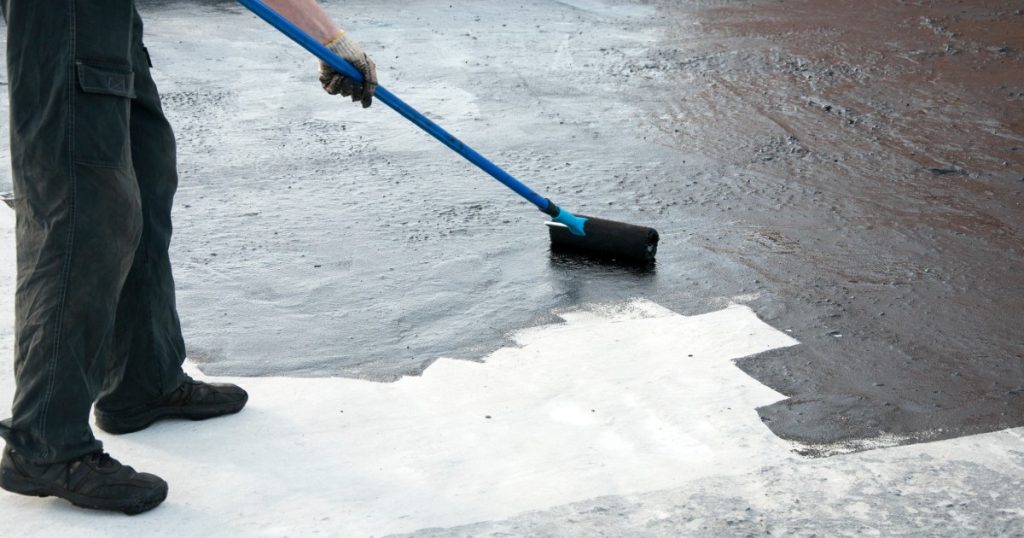
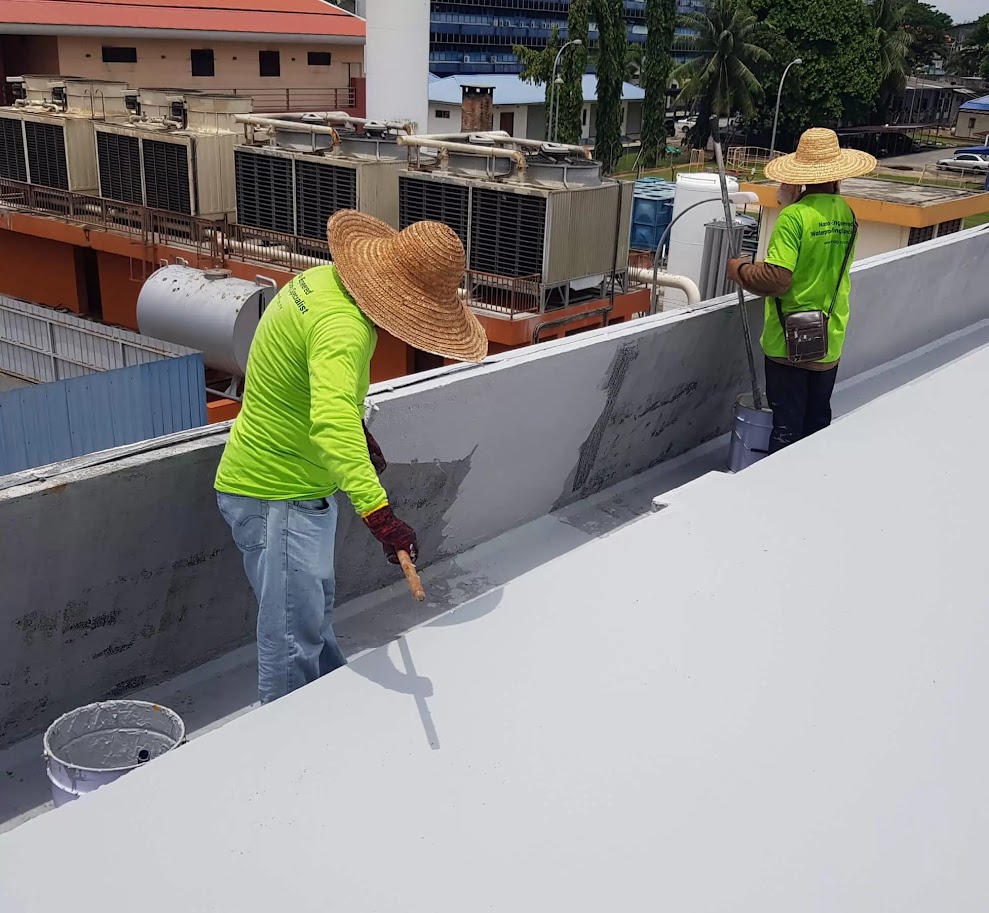
He said flat roofs were among the most challenging areas because they were continuously exposed to harsh weather, ultraviolet radiation and ponding water.
“Proper surface preparation, adherence to a complete waterproofing system and the selection of solutions suited to their intended application were critical to long-term performance, he said.
“Knowledge gaps among property managers, management committees and building owners also contributed to recurring failures, particularly when decisions were based mainly on cost or familiarity rather than longterm suitability.”
Industry observers noted that Malaysian regulations and Public Works Department (PWD) specifications set basic waterproofing requirements, although implementation quality could vary significantly between projects.
CIDB’s QLASSIC assessment system penalises water seepage defects and encourages higher workmanship standards, although value engineering pressures continue to drive cost-cutting decisions in parts of the industry.
An attendee from a property development company said waterproofing was often concealed behind finishes during construction, allowing small compromises in specification or application to develop into major problems after handover.
“As developers, we want to deliver buildings that perform well not just at completion, but years after residents and owners move in,” the attendee said.
The workshop included flat-roof demonstrations using systems such as NippoGARD M4000-TA and NippoSEAL Flex 200 Fibre Pro.
It also focused on distinguishing quality waterproofing membranes, identifying shortcuts in material selection and application, and understanding the importance of proper surface preparation and complete waterproofing systems.
Tay said the industry needed to move beyond a “fix later” mentality and place greater emphasis on technical understanding, preventive maintenance and longterm planning.
“Waterproofing should not be viewed as a cosmetic repair issue.
It is fundamentally about protecting the long-term performance, safety, and value of buildings,” he said.