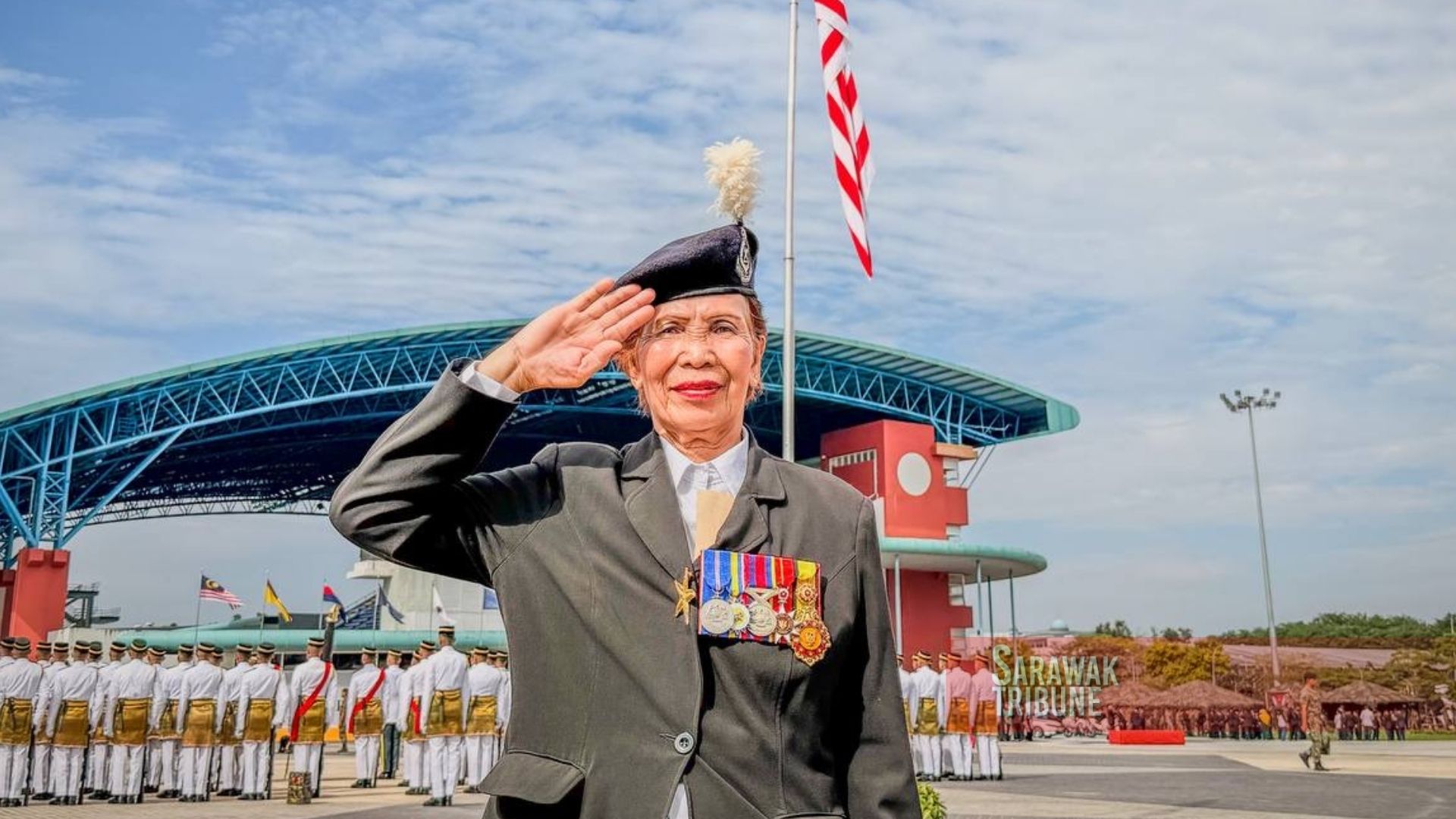
EVERY time a new detainee arrived, Agnes Ngata Langu knew someone would come looking for her.
While many policewomen at the time were assigned to administrative duties, Agnes became the officer regularly called upon to guard detainees, including communist insurgents, during one of the most challenging periods in Sarawak’s security history.
“I never chose my assignments. Whenever there were detainees, they would call me. Whatever responsibility was given to me, I carried it out.”
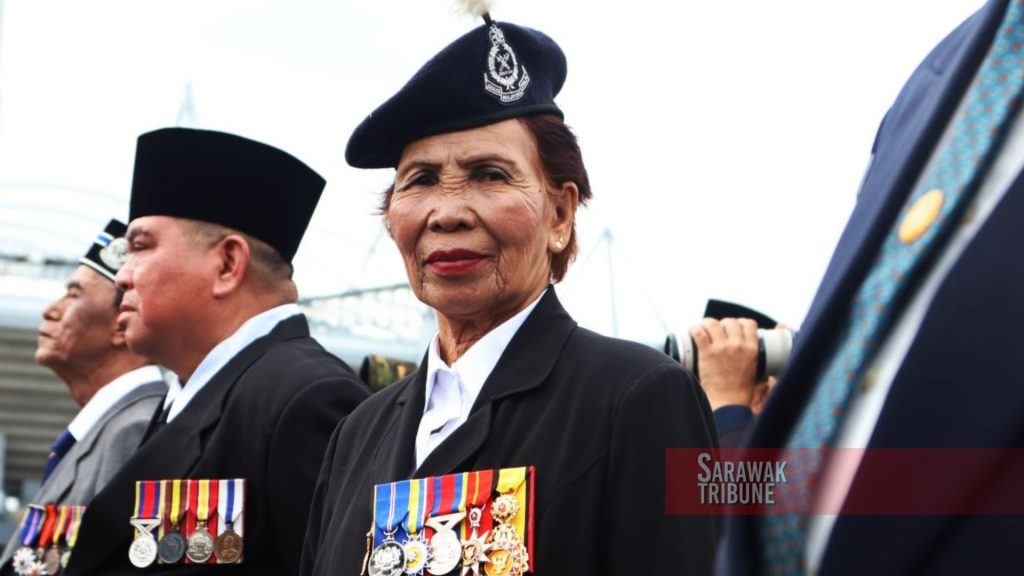
Now 79, the former Royal Malaysia Police (PDRM) officer returned to the Sarawak-level Hari Pahlawan Parade on Friday (July 31), where memories of a career spent largely behind locked doors and away from public view came flooding back.
Born and raised in Sri Aman, Agnes joined the police force in 1968 after successfully attending a recruitment interview.
With police training facilities in Sarawak still limited at the time, she was among 25 recruits from the state sent to Kuala Lumpur to undergo seven months of basic training before returning home.
“When we came back, those from Kuching were posted to Kuching, those from Limbang went to Limbang, those from Miri returned to Miri, while I went back to Sri Aman.”
Agnes’ first posting lasted just over a year before she was transferred to Sibu following the establishment of the Rajang Area Security Command (RASCOM), when communist insurgency remained one of the state’s biggest security challenges.
It was there that she found herself entrusted with a responsibility few women carried at the time.
While many female officers remained in office-based roles, she was repeatedly assigned to guard detainees.
Whenever new arrests were made, particularly involving women, she was the one that officers called.
“I didn’t mind. If there were detainees, they would call me. I never refused.”
Agnes’ duties extended beyond the detention quarters.
She also accompanied her superior on operations in the jungle areas around Lubok Antu and Pantu to apprehend communist insurgents before returning to guard those who had been detained.
Despite spending years watching over communist detainees, she said she never feared for her safety.
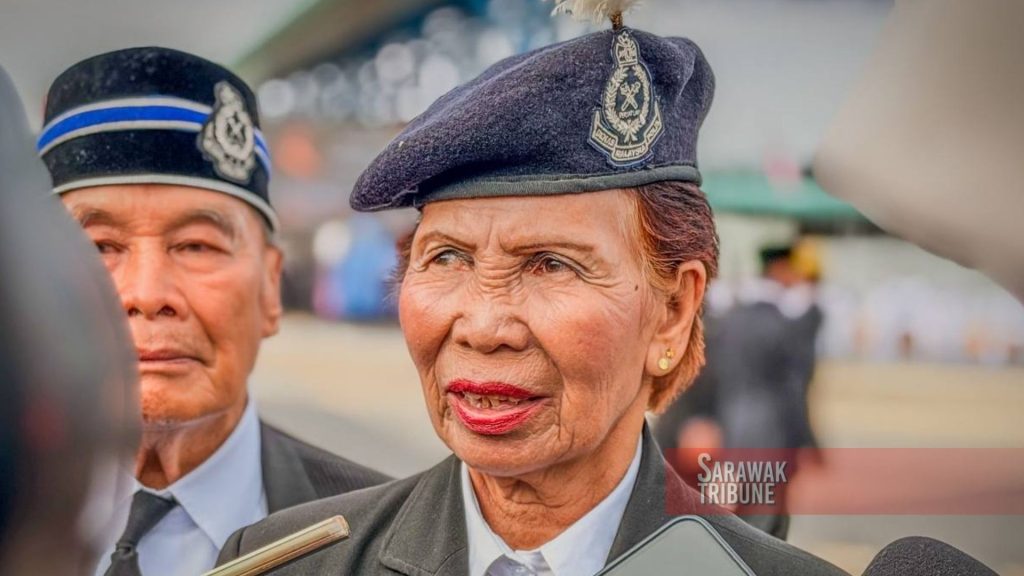
“Once they had been arrested, they cooperated. They didn’t try to fight us. Some even asked for advice and later expressed regret for what they had done.”
As the communist insurgency gradually came to an end and more insurgents surrendered, Agnes was transferred to the police headquarters, where she undertook administrative duties while continuing to assist whenever new detainees were brought in.
She retired in 2004 with the rank of Corporal.
Looking back, Agnes acknowledged that promotion opportunities for policewomen were far more limited than they are today.
Even so, she said she never measured her career by rank.
“Instead, I simply carried out every task entrusted to me.”
Today, Agnes is heartened to see more women joining the police force and taking on responsibilities that were uncommon when she first enlisted more than five decades ago.
“I’m happy to see more women in the police force now.”
Standing among fellow veterans at the Hari Pahlawan Parade, Agnes represented a generation of policewomen whose contributions rarely made headlines but whose quiet dedication helped preserve peace in Sarawak during one of its most difficult chapters.