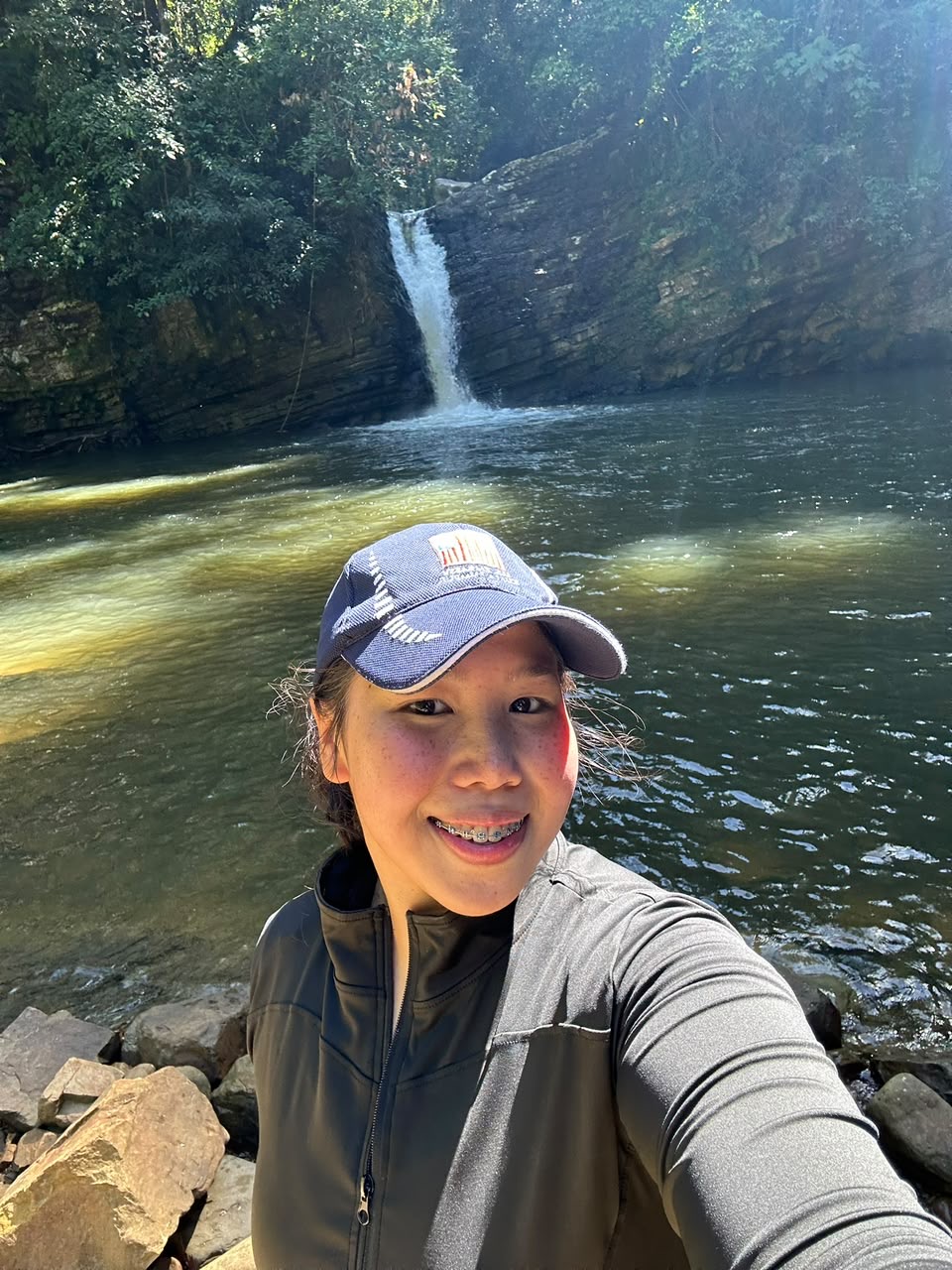
KUCHING: Long before there was TwoBehindTheLens, there were two teenagers who could spend hours talking about animals.
It wasn’t photography that brought Julia Cheong and Pho Wee Yang together.
It was curiosity.
“We met in high school 15 years ago. Animals were our conversation starters,” Julia said.
Growing up in Kuching, both were drawn to the natural world. They filled their younger years with encyclopaedias, wildlife documentaries and the familiar voice of Sir David Attenborough.
Long before they learnt about cameras, they had already learnt to look closely.
Photography came later.
“My passion for wildlife photography started when I had my first Olympus camera,” Julia said.
“At the time, I was only photographing wildlife for fun, as a record of seeing that animal in real life.”
Photography soon became something they shared, and their weekends settled into a familiar pattern.
Sometimes they wandered through Bako National Park. Other days, it was Kubah National Park, Samajaya Nature Reserve or the Sarawak Botanical Garden. Perfect photographs were never the goal. It was simply about looking for wildlife.
As the years passed, those weekends stretched beyond Sarawak, taking them to Australia and Japan in search of birds and animals they had only dreamt of seeing.
“This was the birth of TwoBehindTheLens,” Julia said.
Photography became another way of sharing what they had loved since day one.
“The main goal is to raise awareness of the beautiful wildlife around us that people have overlooked and taken for granted. Most people don’t understand the importance of nature and wildlife, but there is no world without the wild. We need the natural world more than it needs us. This is the message that we want to share with people.”
Some of the moments they remember most happened in places they thought they were familiar with.
“We have been surprised by random wildlife encounters even while on a casual drive around Kuching city or its outskirts,” she said.
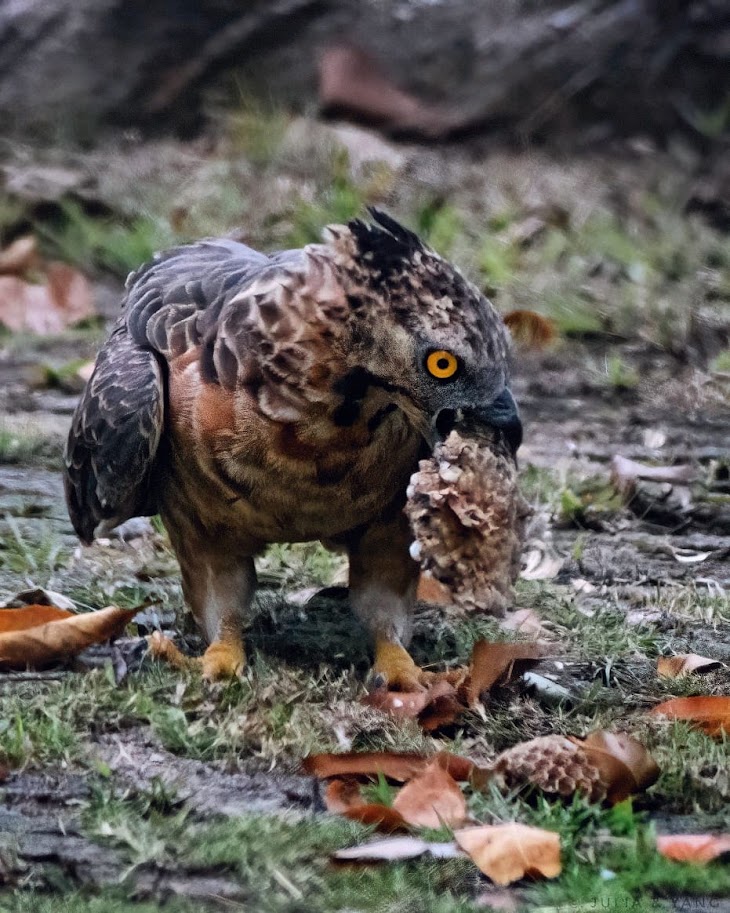
One afternoon, an Oriental Honey Buzzard pecked at a beehive just metres from their car. On another day, dozens of Blue-throated Bee-eaters darted in and out of burrows they had dug into the riverbank.
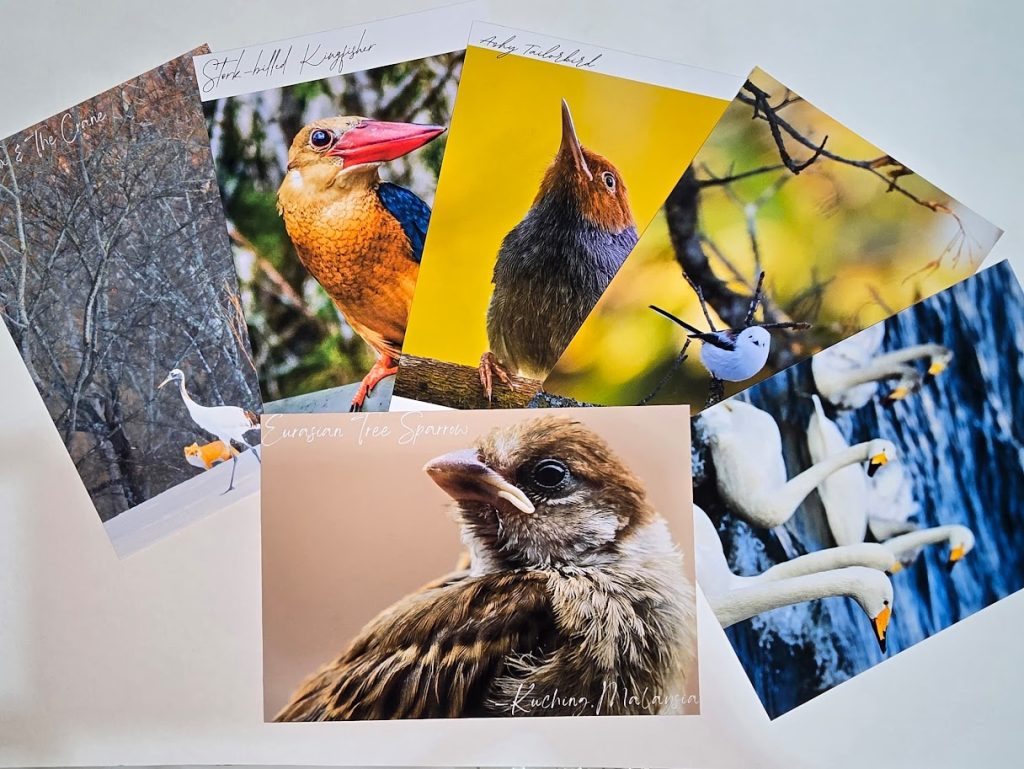
Then there was the Stork-billed Kingfisher.
“We had no idea this bird even existed,” Julia said.
“This encounter sparked us into taking our wildlife photography to the next level.”
Until then, they had never imagined such remarkable wildlife could be found so close to Kuching.
“If you start noticing, that’s when the magic happens.”
That habit of noticing carried them further than they could have imagined.
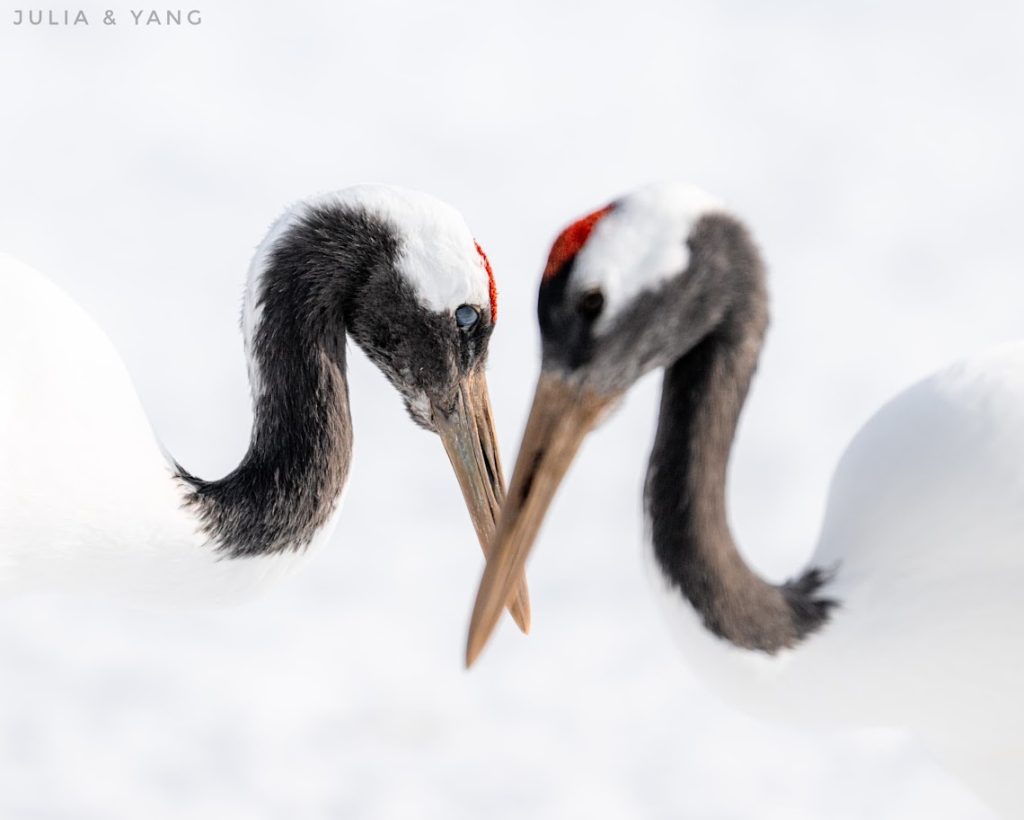
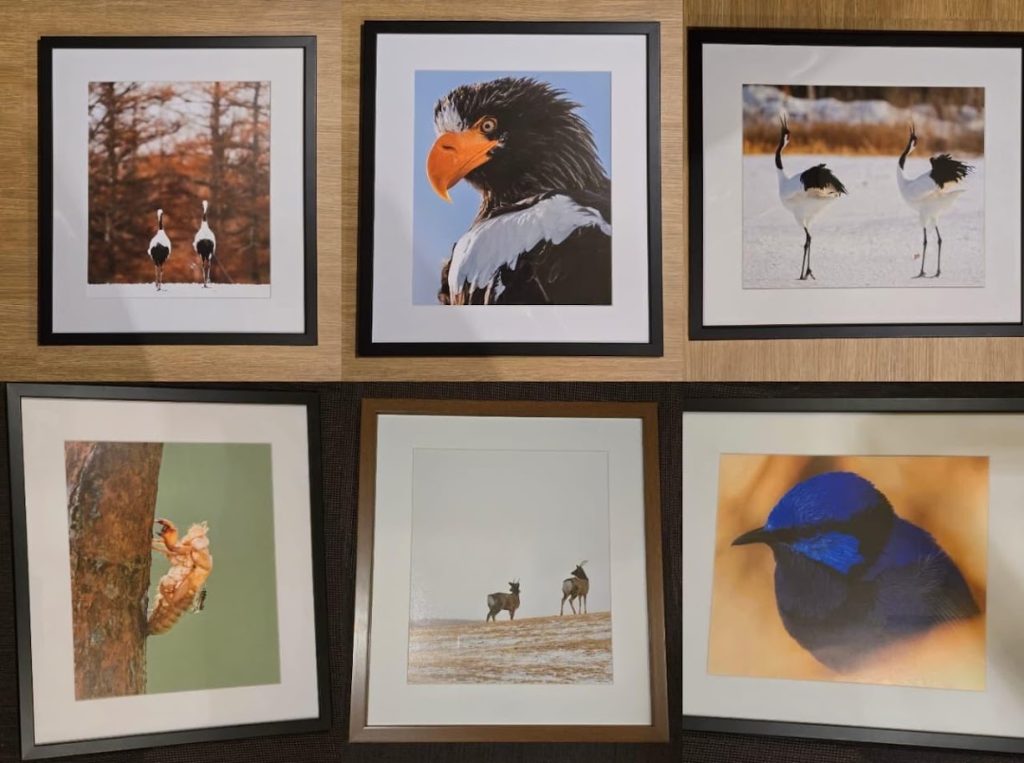
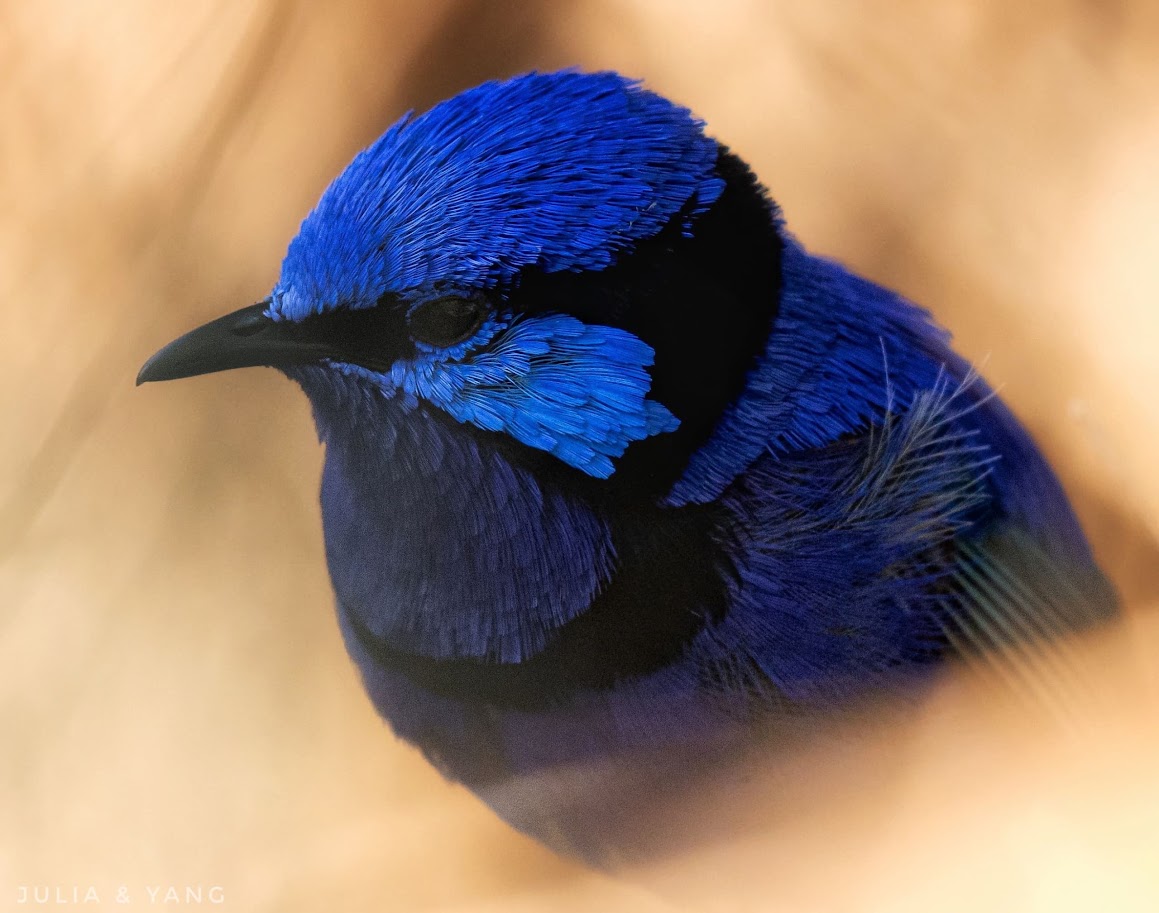
In Perth, they photographed the vibrant Splendid Fairywren. In Hokkaido, they fulfilled a long-held dream of photographing endangered Red-crowned Cranes, Steller’s Sea Eagles, Long-tailed Tits, better known as the “Snow Fairy”, and the Ezo Red Fox.
One trip became memorable for another reason.
After spending a day photographing Red-crowned Cranes in Hokkaido, Yang proposed to Julia.
The places may vary every time, but the way they approached wildlife never did.
“A trip can be planned, but wildlife encounters are unpredictable. That’s the fun about this. The mystery, and not having any expectations because it’s out of your control.”
There were days when they waited for hours and returned without seeing the animal they had hoped for. There were other days when something unexpected appeared instead.
Either way, they kept going.
“The truth is, it’s never about getting the perfect shot, or hoping for a perfect photograph. It’s about studying the animal in their habitats, watching it thrive in a place that is a haven for them, and feeling this gratitude of being able to see it in real life.”
The same patience shapes the way they photograph wildlife today.
Rather than baiting animals with food or using recorded bird calls to lure them closer, they choose to wait. Respect for the animal comes before the photograph.
“We are the ones entering their home, not the other way around.”
Spending years watching wildlife also changed the way Julia looked at life.
She began noticing things she might once have overlooked.
“Wildlife photography changed my perspective of life in every way. I learnt to notice the little things. I learnt to distinguish different bird calls. I learnt that there is more to life as it is.”
The lessons she found in nature stayed with her long after she put the camera down.
“Every human being on the Earth has to go through the struggle of making a living, but in times of trouble, we must remember that life is not all about that.
“Spend some time in nature, notice the little beauties around us. Happiness is truly in the little things.”
As they shared more of their work, people began responding in ways they hadn’t expected.
“People have been in awe at some of our images, and to be honest, in that moment when the photographs were taken, we were in awe too,” Julia recalled.
Recognition soon followed.
Their photograph of a Spiny Orb-Weaver Spider received a consolation prize in the Colours of Sarawak 2024 photography contest.
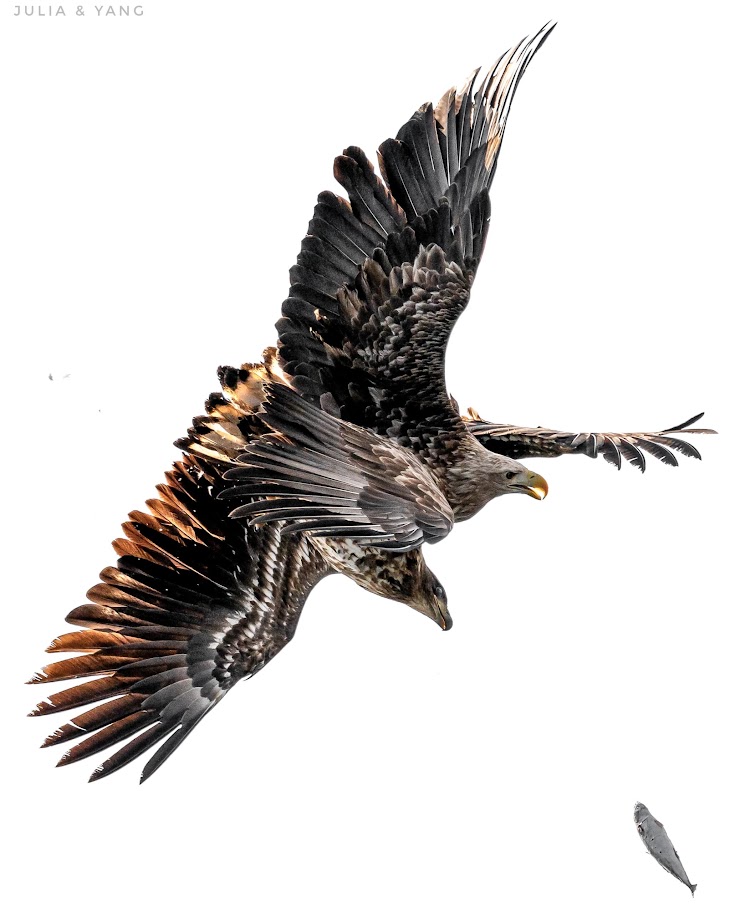
A few months later, one of their photographs of two White-tailed Eagles clashing in the skies above Hokkaido reached the final round of the Natural History Museum’s Wildlife Photographer of the Year 62 competition.
“It meant that we were in the top 10 per cent of the world. Out of 60,000 entries, we were in the top 6,000,” she said.
“The goal is to get to the top 100 images, which is just one step away, so that our photos will have the chance to be exhibited on a global scale.”
Those achievements also inspired Julia to think about new ways of sharing wildlife with others.
After all, a photograph could only say so much.
Julia wanted to tell the rest of the story.
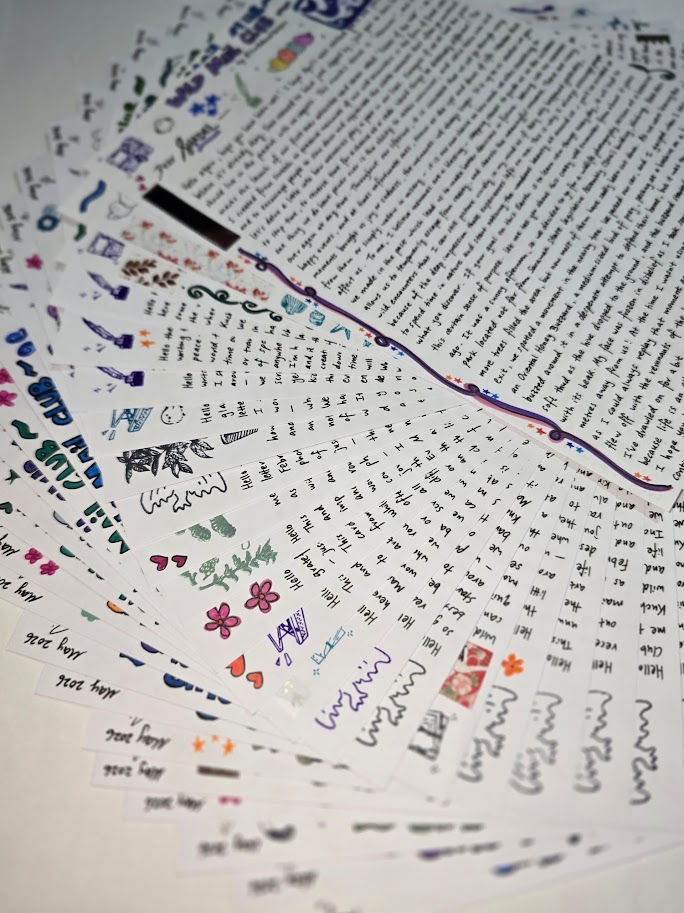
That became Wild Mail Club.
Julia paired her wildlife photographs with handwritten letters, sharing the stories behind each image.
“Rather than just seeing pixels on the screen on Instagram where we share our photographs, I wanted people to experience the soul captured in each image, the stories behind them,” she said.
Today, nearly 145 handwritten letters have found homes around the world. Each one pairs a wildlife photograph with the story behind it, inviting people to see not only the image but the experience that came with it.
Some recipients later wrote back to say they had started noticing birds around their own neighbourhoods.
Others found themselves paying closer attention to the wildlife they had once walked past without a second thought.
For Julia, those responses matter just as much as any competition result.
Yet whenever Julia speaks about their work, the conversation returns to the same hope.
“We want people to be more understanding, to learn to love nature, and to care enough to step up and protect our natural world.
“When someone starts to care, that is when the conservation starts, when the voice becomes so loud it’s impossible to ignore,” she emphasised.
For Julia, it all comes back to one simple belief.
“All wildlife matter. Join the echo, and let us be a voice for the voiceless. They were here before us, and they deserve to live as much as we do.”
Readers can explore more of their wildlife photography on Instagram at @twobehindthelens.