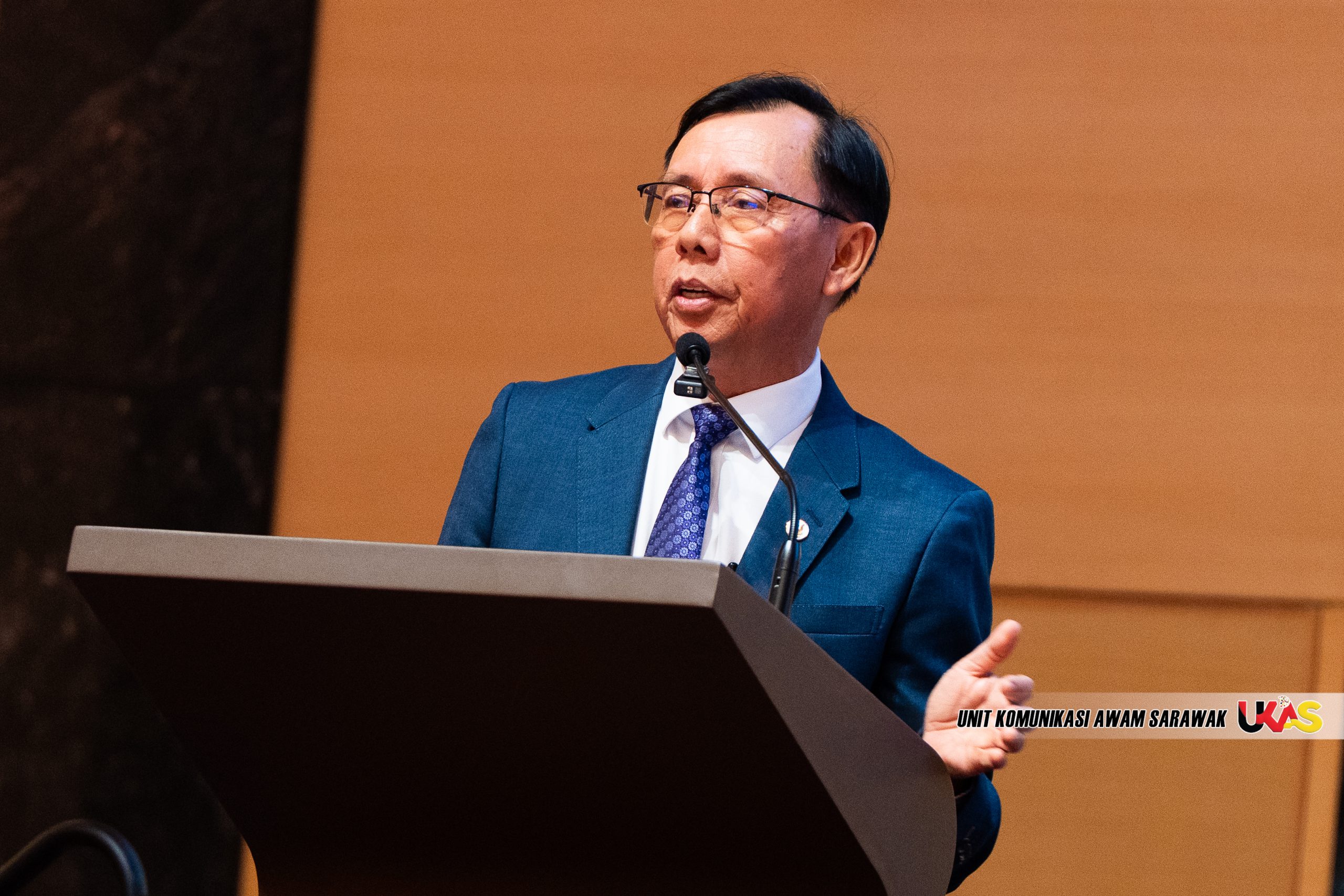
BINTULU: Sarawak can no longer depend on subsistence farming if it wants to secure its food future and become a net food exporter by 2030.
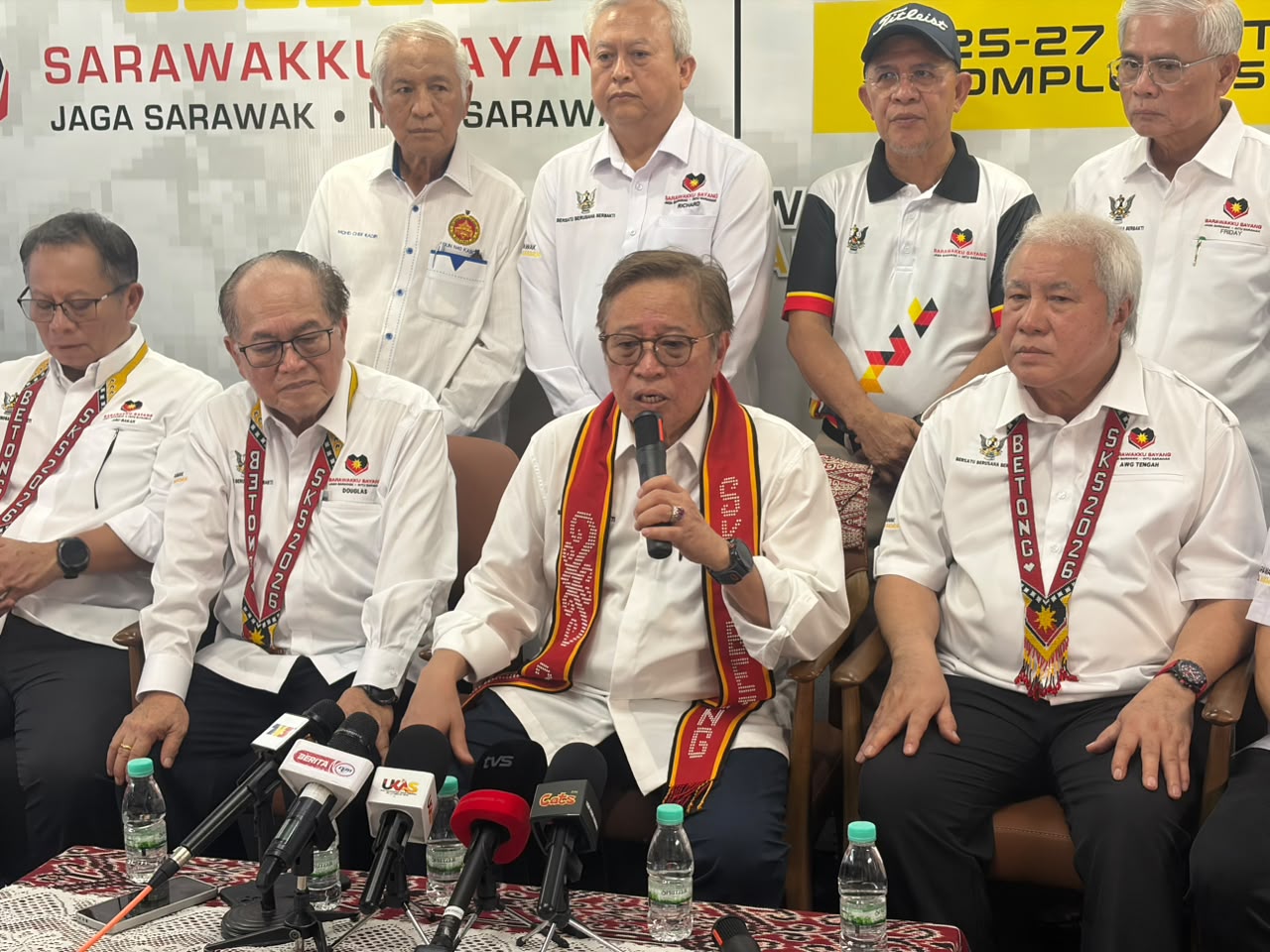
Minister for Food Industry, Commodity and Regional Development Datuk Seri Dr Stephen Rundi Utom said the state is transforming its agriculture sector into a modern, technology driven and commercially sustainable industry under the leadership of Premier Datuk Patinggi Tan Sri Abang Johari Tun Openg.
“For many years, our farming practices were largely subsistence-based. We have changed that by focusing on returns.
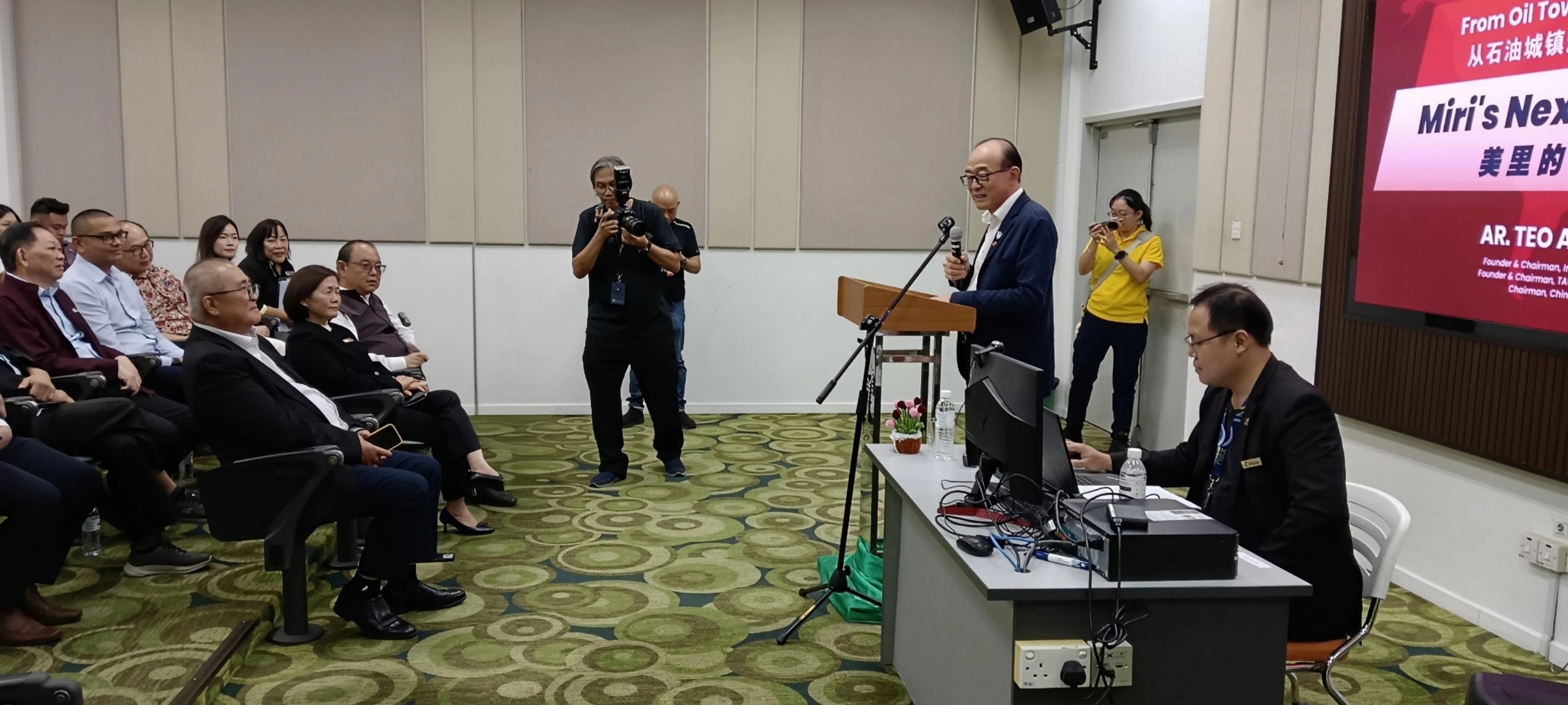
“Every single drop of sweat must be translated into dollars and cents,” he said when delivering his speech at the opening of the 3rd Congress on Sustainable Agriculture and Food Security (COSAFS) 2026 here today (Aug 3).
Rundi said transforming the agriculture sector requires a complete supply chain, spanning research and development, production, processing and marketing.
While farmers are capable of producing quality crops, the lack of strong downstream industries and limited market access often reduce their earnings, especially when seasonal produce floods the market and prices fall.
“If we stop at production, that will be the end of their efforts. We must go beyond that by strengthening processing, market access and the entire supply chain,” he said.
He added that the Sarawak government is working closely with Universiti Putra Malaysia (UPM) Sarawak and other research institutions to improve paddy and rice production, backed by the Premier’s unwavering support for strengthening the state’s food security.
Describing COSAFS 2026 as an important international platform, he said it brings together researchers, policymakers, industry leaders, entrepreneurs and students to exchange ideas, share best practices and forge meaningful collaborations.
“The discussions over the coming days will not only advance scientific knowledge but also contribute to better policies, stronger industries and more resilient food systems for the future,” he said.