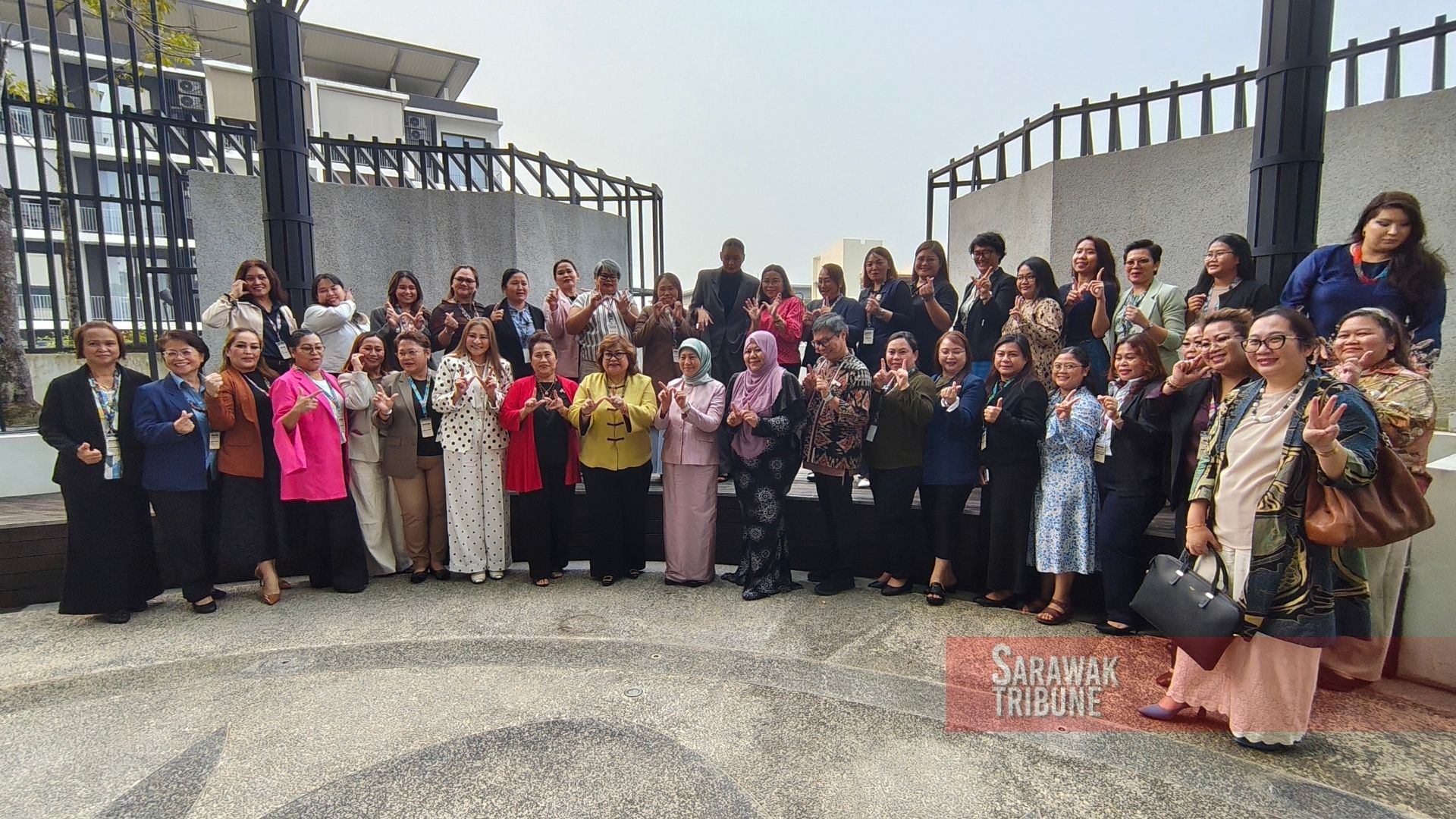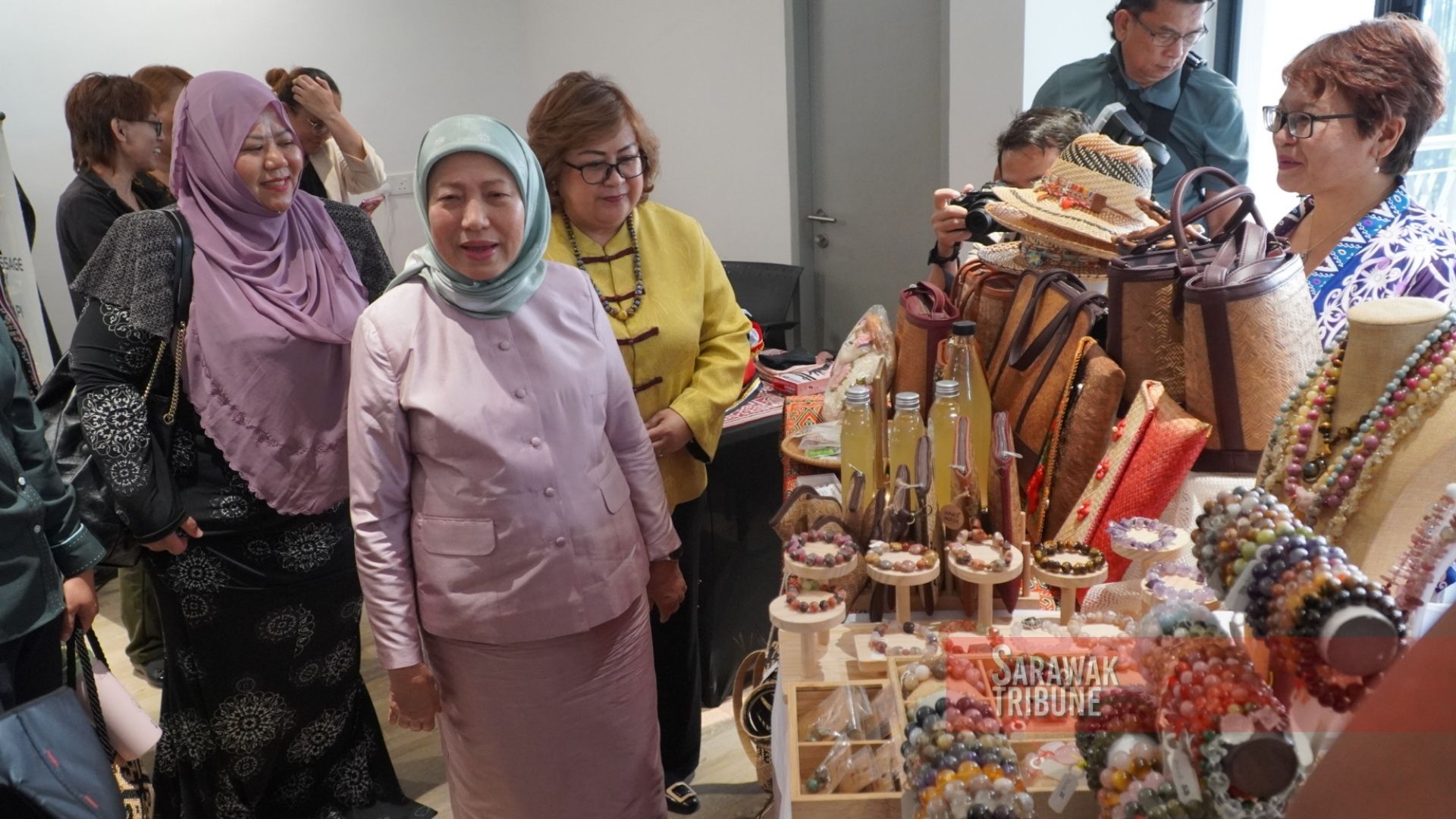
KUCHING: Kuching is strengthening its position as a regional gastronomy hub with a week-long line-up of international culinary events, bringing together about 200 delegates from 25 countries, award-winning chefs and hundreds of culinary professionals from across the globe.
Kuching South City Council (MBKS) Mayor Datuk Wee Hong Seng said the international gathering reflects the city’s growing reputation as a destination where gastronomy, culture and sustainable development come together.
“It is indeed a great honour for Kuching to host this prestigious international gathering. Over the next few days, around 200 delegates from 25 countries will come together to exchange ideas, build partnerships and explore how gastronomy can contribute to more sustainable and liveable cities,” he said during the opening of the 2026 Cities of Gastronomy Annual Meeting on Tuesday (Aug 4).
Wee said UNESCO’s recognition of Kuching as a Creative City of Gastronomy in 2021 goes far beyond the city’s well-known cuisine, acknowledging its commitment to preserving cultural heritage, strengthening communities, encouraging innovation and creating sustainable economic opportunities.
He pointed out that gastronomy is also a significant economic driver, supporting an entire ecosystem that includes farmers, fishermen, food producers, transporters, market vendors, hawkers, restaurateurs, hoteliers and tourism operators.
“Our food tells the story of who we are. It reflects the traditions of our Malay, Chinese, Dayak, Melanau and many other communities, all of whom have contributed to the rich culinary identity that defines Sarawak today.
“This is precisely why Kuching’s UNESCO journey aligns so well with the Post Covid-19 Development Strategy (PCDS) 2030. It demonstrates that preserving culture and growing the economy are not competing priorities. When managed well, they reinforce one another,” he said.
As part of the annual meeting, the UNESCO Gastronomy Pavilion is being held from Aug 3 to 9 at the Kuching Festival Fair, featuring authentic cuisines prepared by chefs from UNESCO Creative Cities of Gastronomy in China, the Philippines, Saudi Arabia, India and Brazil.
For the first time, visitors can also experience the Tuak Corner, where nine local vendors are showcasing the diversity of Sarawak’s traditional tuak while highlighting its cultural significance and indigenous heritage.
Following the conclusion of the international pavilion, the venue will continue operating until Aug 16 with cooking demonstrations by award-winning local chefs.
Another major highlight is the Borneo Culinary World Cup 2026, taking place from Aug 5 to 7, featuring 10 competition categories and 48 sub-categories ranging from pastry and international cuisine to Dayak cuisine, Malaysian and Borneo noodles, artistic carving displays and the Black Box Challenge using local ingredients such as midin and terung Dayak.
The competition has attracted around 300 participants, with more than 70 internationally recognised chefs from 24 countries serving as chief judges, head judges, judges, guest judges and rookie judges.
Wee said the strong international participation reflects growing confidence in Kuching’s ability to host world-class culinary events while reinforcing its position as a regional hub for gastronomy and culinary excellence.
He also encouraged delegates to explore Kuching beyond the conference, including its heritage streets, markets and local food culture, expressing hope they would return home with lasting friendships and fond memories of Sarawak.
“For a few days this week, Kuching will probably have one of the highest concentrations of internationally recognised culinary professionals anywhere in this region,” he added.