KUCHING: The Election Commission’s (EC) proposed redelineation exercise involving 17 additional Sarawak State Legislative Assembly (DUN) seats may come too late to be implemented for the upcoming state polls.
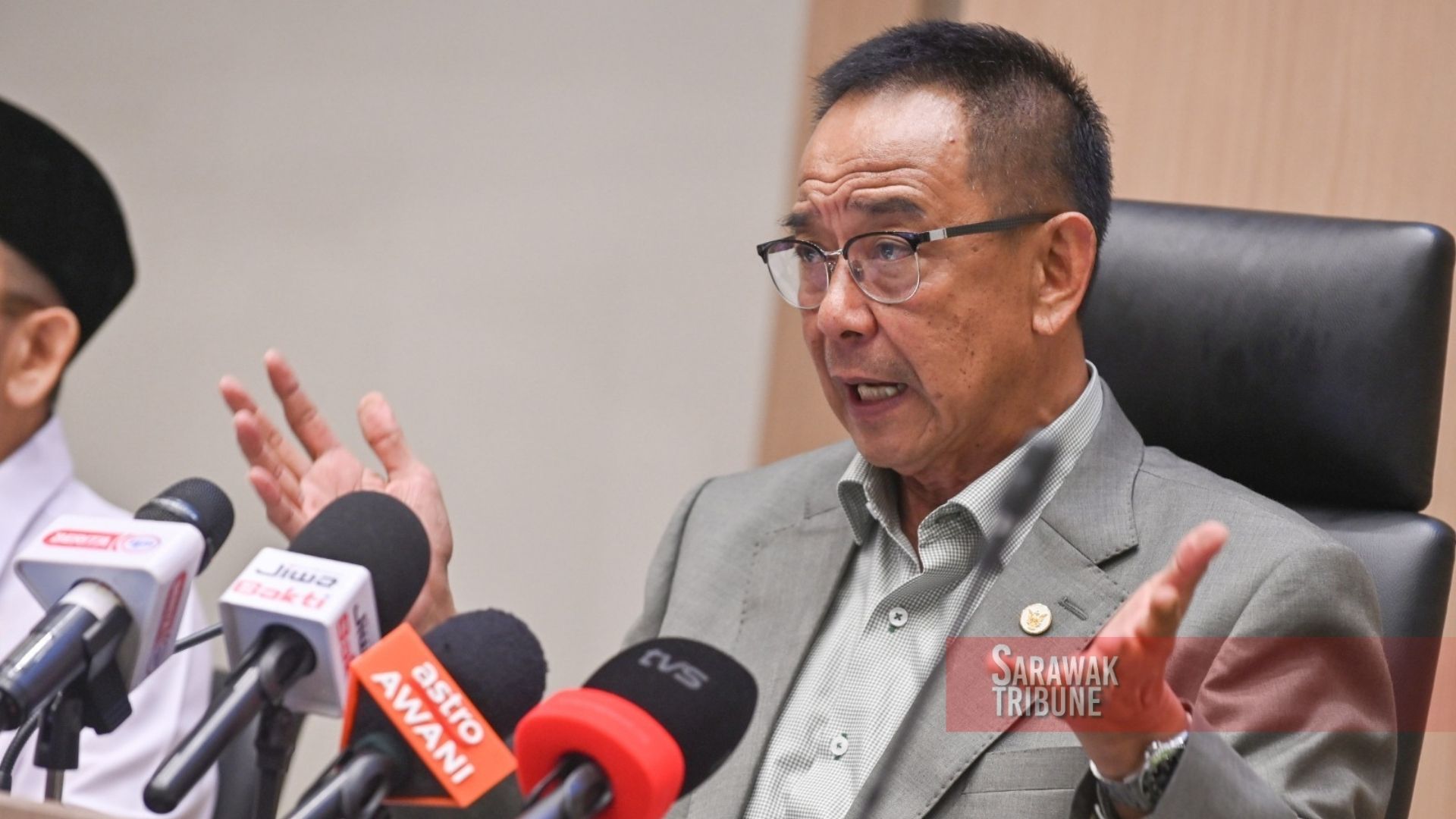
Parti Pesaka Bumiputera Bersatu (PBB) Information Chief Datuk Seri Abdul Karim Rahman Hamzah said the exercise should have commenced much earlier after the Sarawak Legislative Assembly approved the addition of the 17 seats more than a year ago.
“The action should have been taken earlier as the process of adding seats involves certain procedures before the proposal can proceed to the next stage.
“The question is whether the remaining period from August until February 2027 is sufficient to complete all statutory procedures so that the new seats can be used in the upcoming state election,” he told a press conference here today (Aug 5).
Abdul Karim said the public display process alone could take between two and three months, after which any objections would have to be considered before the proposal could be tabled in Parliament for approval.
“If the EC is allowed not to comply with the Election Act under the Constitution, perhaps the 17 seats could be used in this election. However, we have our own laws.
“So, to me, this move is merely giving Sarawak people false hope, while the additional seats may eventually not be delivered,” he said.
Nevertheless, he acknowledged that the EC’s move demonstrated some progress, although he remained doubtful that all 17 new seats could be contested in the coming state election.
Abdul Karim said the additional seats are necessary as several constituencies in Sarawak cover areas almost the size of an entire state in Peninsular Malaysia.
“Therefore, increasing the number of DUN seats would make it easier for the people to voice issues in their areas, while allowing assemblymen to provide more effective services without having to travel 10 or 14 hours to reach their constituencies.
“There is no hidden agenda behind this effort to add seats, other than improving the effectiveness of service delivery to the people,” he said.