SARIKEI: Sarawak is ready to advance carbon trading based on its own state-specific model and requirements through legislation that has already been approved at the state level, even though a similar mechanism has yet to be fully enforced at the Federal level.
Deputy Minister of Urban Planning, Land Administration and Environment Datuk Len Talif Salleh said existing state laws provide a foundation for Sarawak to explore and develop the carbon trading industry in a more structured manner.
He said this also creates opportunities for local and international companies to participate in the carbon industry, which is gaining increasing global attention.
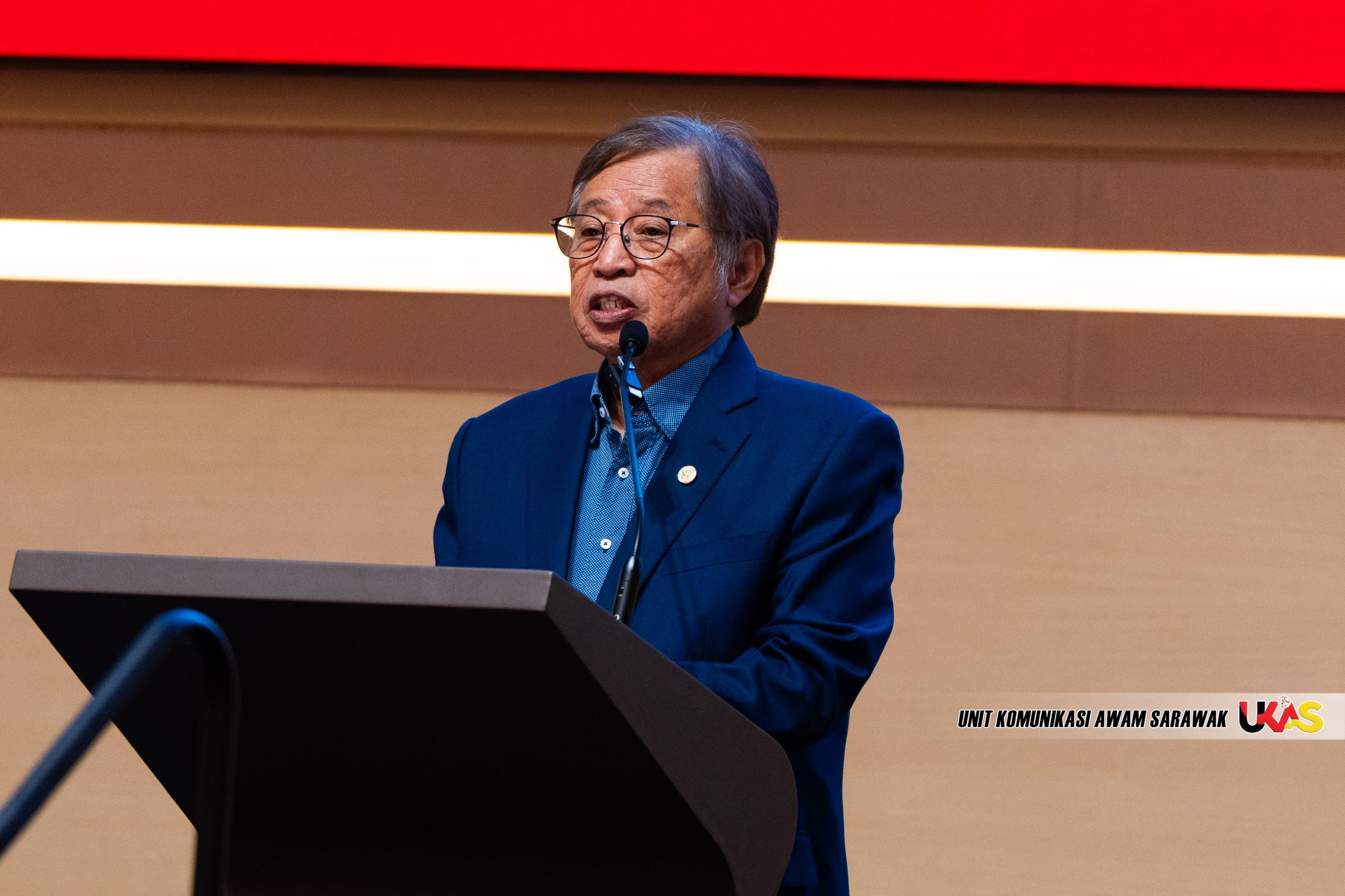
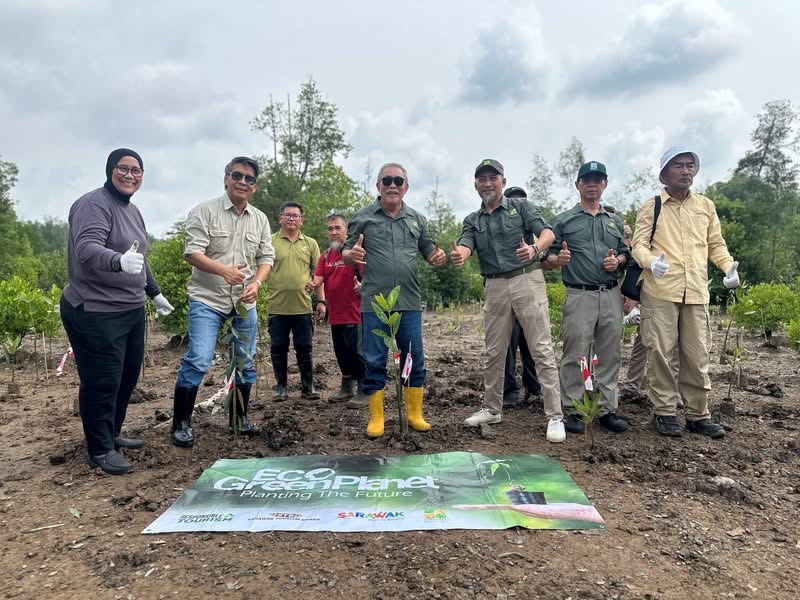
“Although there is currently no specific federal law on carbon trading, Sarawak already has its own legislation. This allows us to initiate carbon trading based on a model that suits the state’s needs, while attracting interest from investors and industry players,” he stated when officiating the EcoGreen Tree Planting 2026 Programme at Dewan Masyarakat Kampung Rajang here yesterday.
Len stressed that Sarawak’s carbon trading potential is closely linked to efforts to conserve forests and natural ecosystems, including mangrove areas that have the ability to absorb and store carbon.
In this regard, he expressed his appreciation to the Sarawak Tourism Board (STB) for selecting Rajang Mangrove National Park as the location for the EcoGreen Tree Planting 2026 Programme.
He said the programme aligns with the Sarawak Government’s continuous efforts to preserve natural ecosystems and strengthen climate change mitigation initiatives.
Len also revealed that Rajang Mangrove National Park is the largest protected mangrove area in Sarawak and the third largest in Malaysia, giving it significant ecological value.
Meanwhile, he said that the Kuala Rajang Islamic Welfare Board has been granted a permit to manage carbon trading activities in the area.
He reiterated the development demonstrates that conservation areas are not only important from an ecological perspective, but also hold potential to contribute to green economic development through carbon trading mechanisms.