KUCHING: A total of 1,503 children across SeDidik centres statewide have undergone AI-powered developmental screening under Sarawak’s Developmental Screening and Intervention Programme, placing the initiative on track to hit its 1,800-child target.
Minister for Women, Early Childhood and Community Wellbeing Development, Datuk Seri Fatimah Abdullah, emphasised that the initiative underscores the state’s commitment to early detection and intervention for children with developmental delays before they enter primary school.
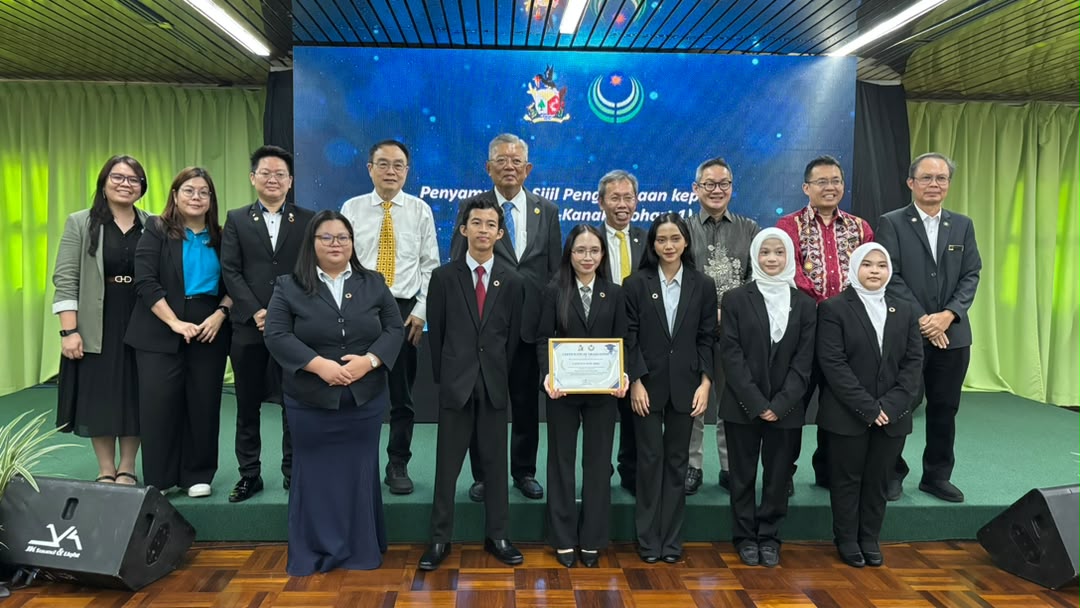
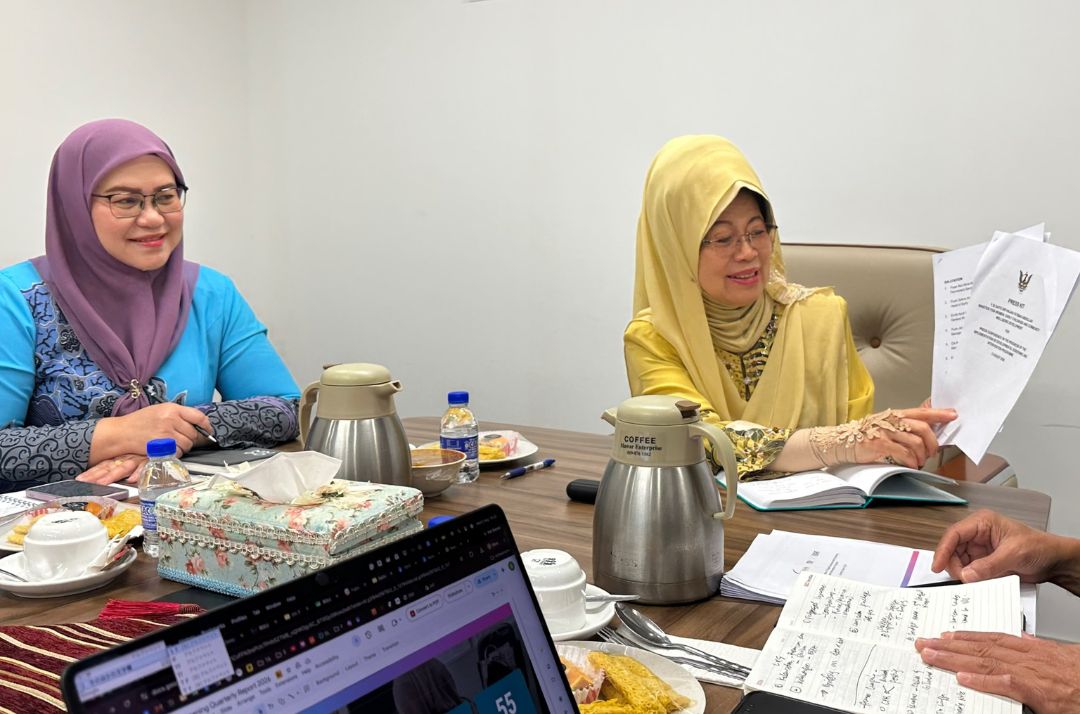
“We have an open-door policy – every child can come in, regardless of whether they are neurotypical or have disabilities,” Fatimah said after receiving the programme’s progress report at Baitulmakmur II today.
The collaboration between state-owned early childhood education provider, SeDidik, and Japanese tech firm, Toy8, offers an alternative route for families unable to access hospital-based assessments.
Toy8 founder, Shun Matsuzaka, revealed that out of the initial batch of 484 children assessed, 55 have been identified for a structured six-month intervention programme.
Designed for children aged three to five, the intervention utilises an AI-backed digital application featuring educational games developed alongside a former Nintendo game director.
To support the statewide rollout, seven SeDidik master trainers certified 140 teachers across Sarawak to conduct the initial screenings.
Fatimah noted that early intervention is critical to address behavioural challenges before formal schooling begins.
“If these children are not properly assessed and supported, it leads to broader issues for the child, family, and community,” she said.
“Early intervention makes a child’s behaviour more manageable, expanding their opportunities in formal education.”
She added that Sarawak is the first state in Malaysia to deploy AI-based developmental screening across an entire early education network. SeDidik currently enrolls about 205 children with diagnosed disabilities alongside others under observation.
A cost-benefit analysis presented by Toy8 showed the programme delivers a 2.23-to-1 Social Return on Investment (SROI) – meaning every RM1 invested yields at least RM2.23 in social and economic returns through reduced healthcare costs, improved educational outcomes, and boosted parental productivity.
Fatimah noted that the positive SROI data provides a compelling case for the continued expansion and funding of the statewide initiative.