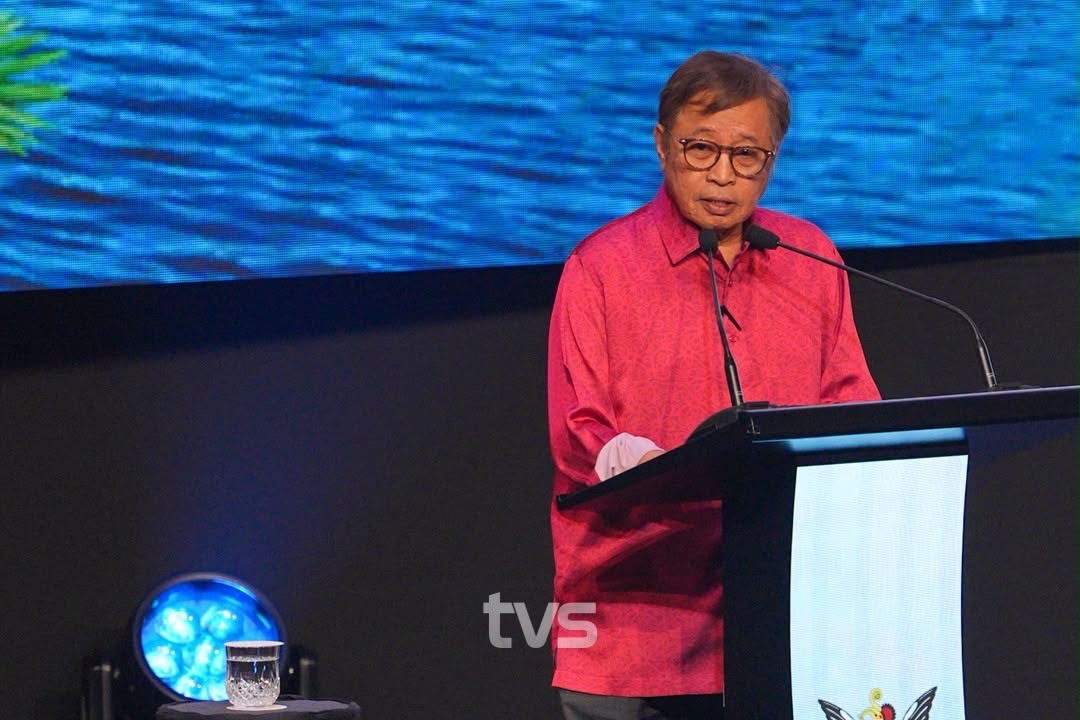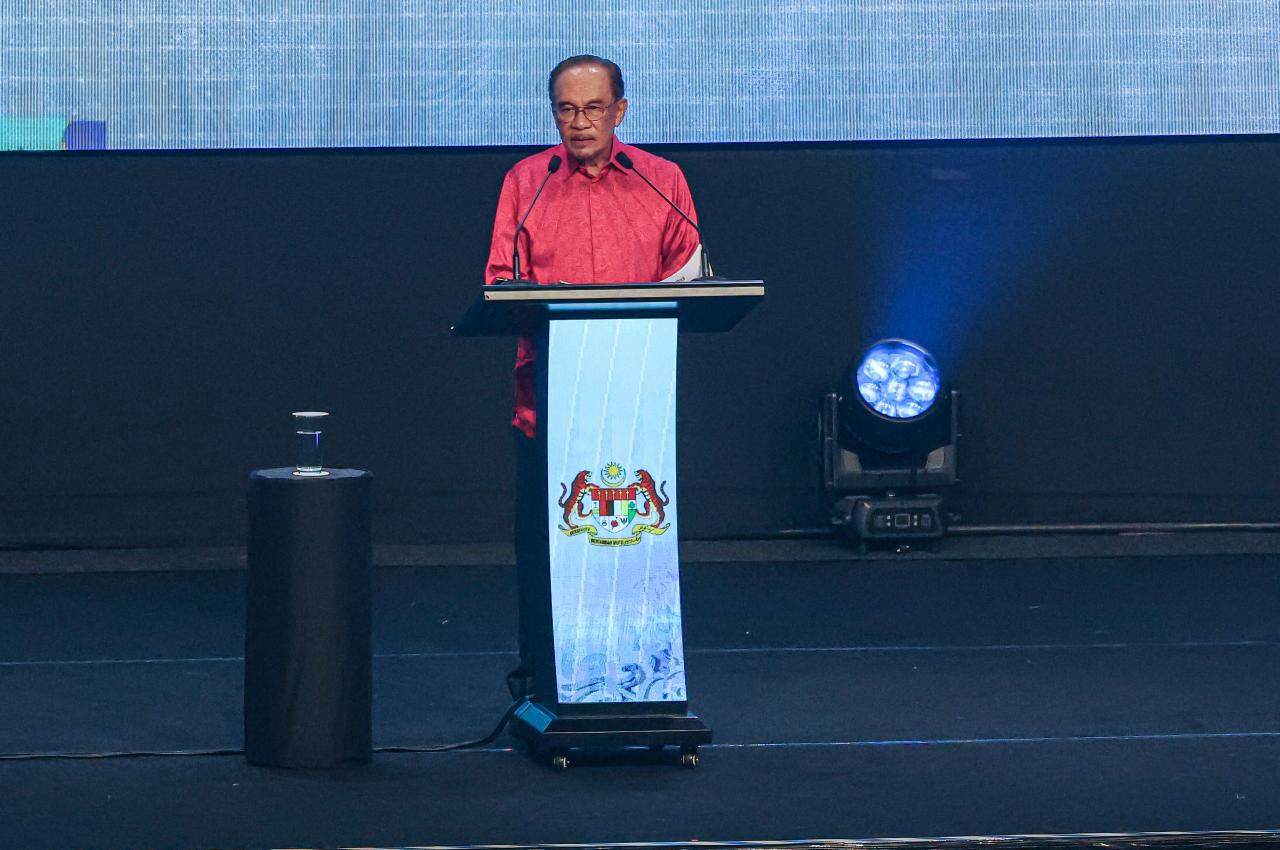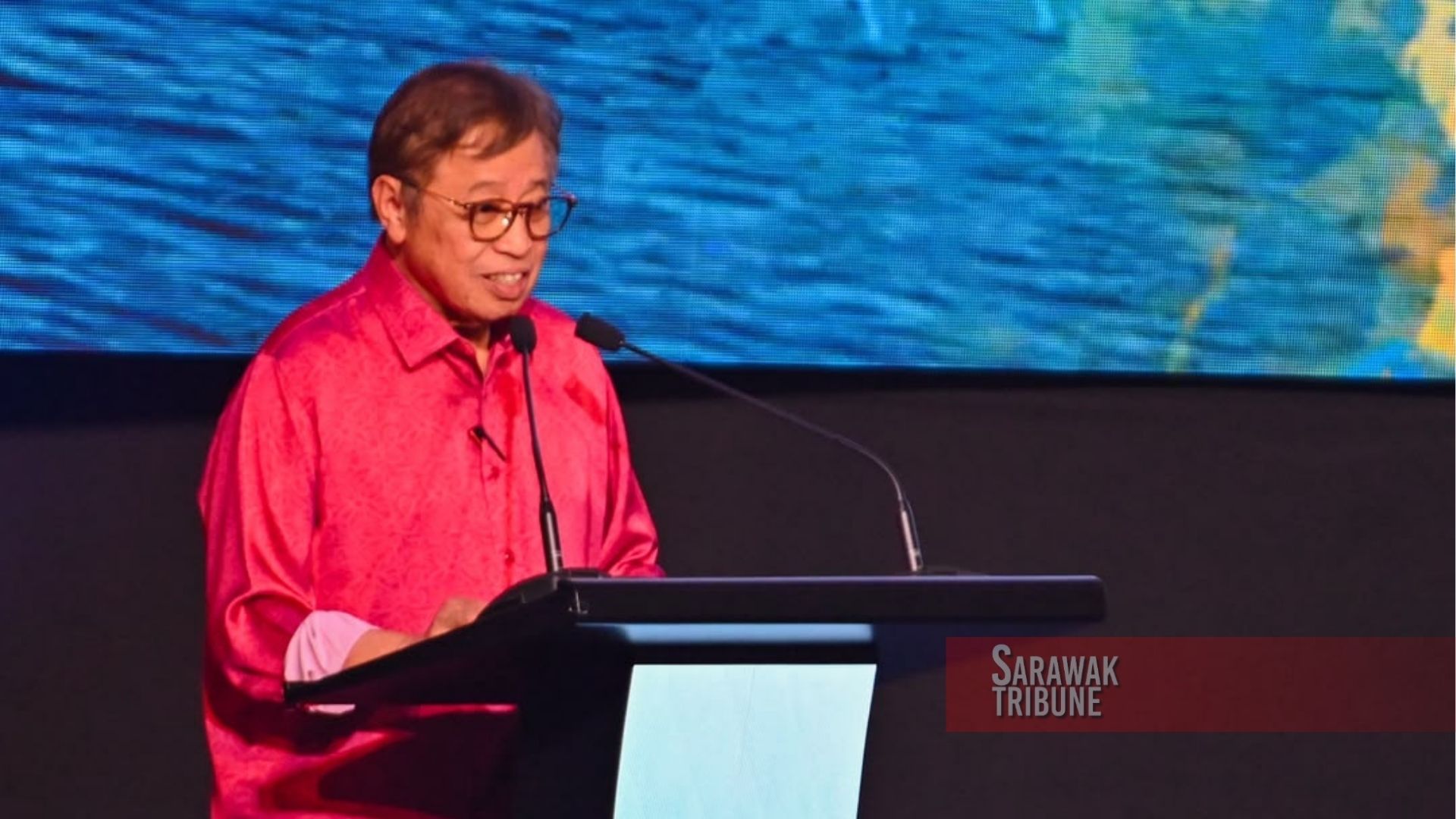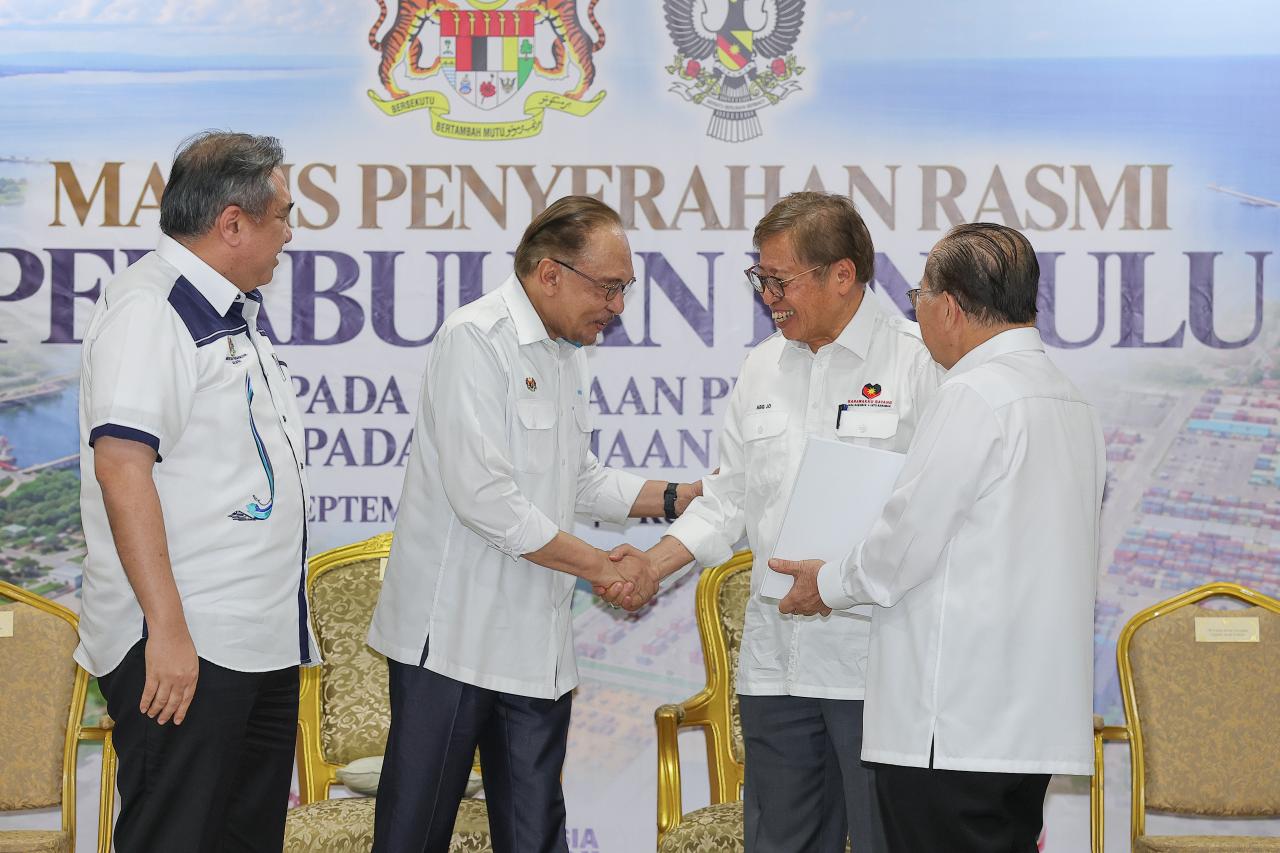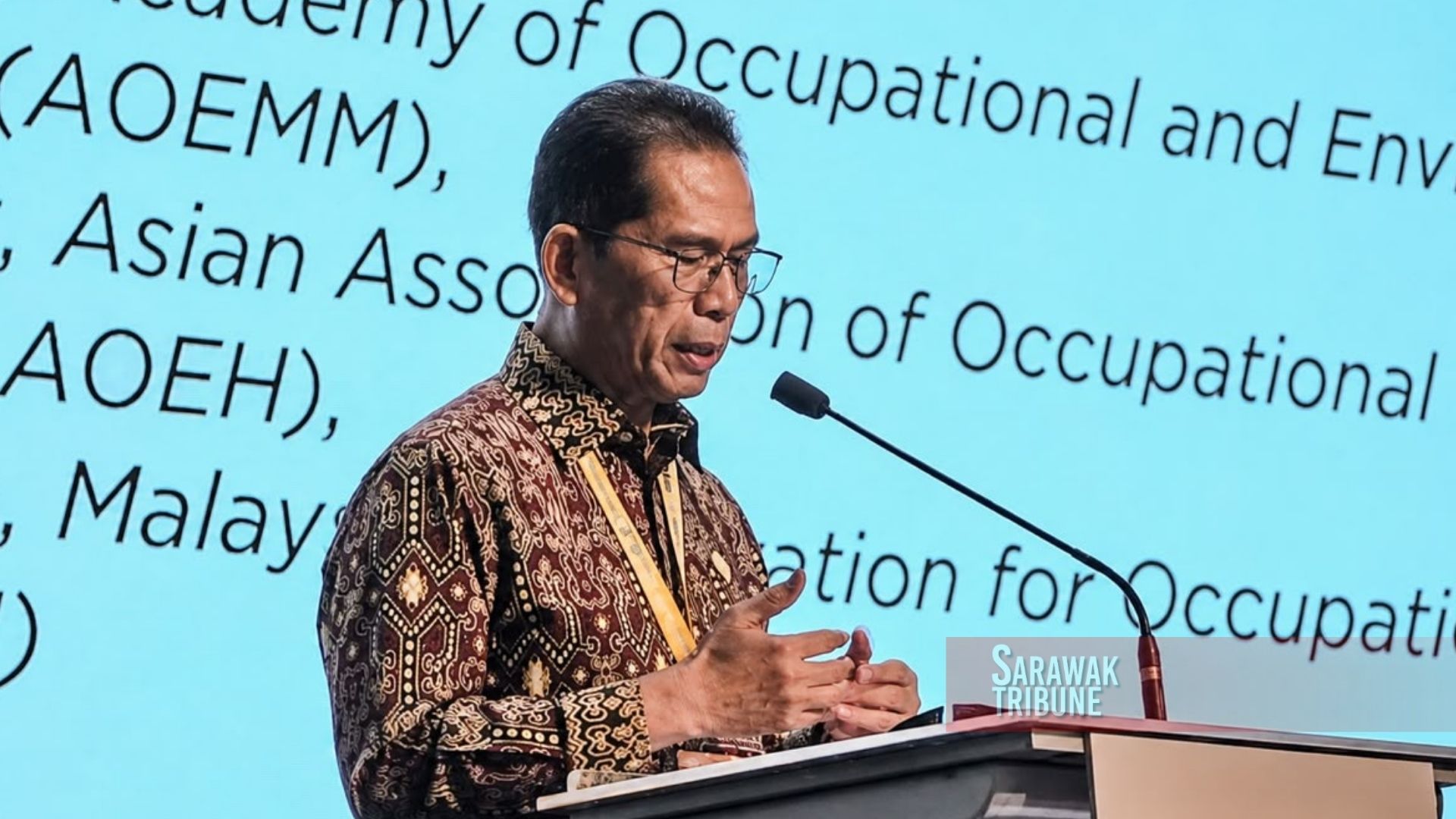
KUCHING: Sarawak is playing host to the 24th Asian Congress on Occupational Health (ACOH) 2026, marking the first time the congress is being held outside Kuala Lumpur and bringing together delegates from 33 countries to discuss emerging workplace health challenges.
ACOH 2026 Congress Chair and President of the Academy of Occupational and Environmental Medicine Malaysia (AOEMM), Dr Abu Hasan Samad, said the congress provides a platform for governments, healthcare professionals, researchers and industry leaders to exchange knowledge and strengthen occupational health practices.
He noted that Malaysia last hosted ACOH in Kuala Lumpur in 1997, making this year’s edition its return after 29 years and the first to be held outside the federal capital.
“After 29 years, we are able to bring ACOH back to Malaysia, and more importantly, to the Land of the Hornbills, Sarawak.
“For that, I would like to say thank you to the Sarawak Government for the strong support for us.
“Your presence here reflects not only professional commitment, but a shared global responsibility to safeguard the health, safety and well-being of workers everywhere,” he said during the opening ceremony at the Borneo Convention Centre Kuching (BCCK) today.
Dr Abu Hasan said the congress, themed ‘Shaping a Sustainable Future: Global Perspectives on Occupational Health’, reflects both the opportunities and responsibilities facing occupational health practitioners in an increasingly complex working environment.
He said the gathering comes as climate change, artificial intelligence (AI), digital transformation, and changing employment patterns continue to reshape workplaces, requiring greater collaboration across borders and sectors.
“These complex challenges cannot be addressed in isolation. They require collaboration across borders, across disciplines and across sectors.
“They require governments, academia, healthcare professionals, employers, workers and industry to work together in developing practical, evidence-based solutions that will protect workers today while preserving the workplaces of tomorrow,” he added.
He said the four-day congress features keynote addresses, plenary lectures, scientific symposia, forums, workshops, oral and poster presentations, as well as technical visits covering a broad range of occupational health issues.
These include cross-cultural approaches to occupational medicine, digital transformation, climate change and work, psychologically safe workplaces, occupational health in the informal economy, disability management, non-communicable diseases at work, industrial hygiene and global partnerships for occupational health.
He also hoped the congress would strengthen professional networks, inspire new collaborations and foster lasting partnerships among delegates from different countries and cultures.
“Some of the most meaningful ideas often emerge not only during formal sessions, but also through conversations over coffee, networking events and the sharing of experiences among colleagues from different countries and cultures.
“I also encourage all of you to experience the warmth and hospitality of Sarawak.
“We hope you will take this opportunity to appreciate our rich cultural diversity, our unique heritage and the natural beauty that makes Sarawak one of Asia’s most remarkable destinations,” he said.