As Sarawak accelerates its development, environmental consultancy is playing an increasingly important role in ensuring growth does not come at the expense of nature and communities. For Eco Enviro Resources (Sarawak) Sdn Bhd, scientific expertise, technology and local talent are key to helping the state pursue a more sustainable future
Charting a sustainable path for Sarawak’s growth
As Sarawak moves towards greater economic growth, infrastructure expansion and industrial development, the question of how to balance progress with environmental protection has become increasingly urgent.
Behind every responsible development project lies a team of environmental professionals working to understand the impact on nature, communities and future generations.
For Eco Enviro Resources (Sarawak) Sdn Bhd (ERS), environmental consultancy is not merely about fulfilling regulatory requirements. It is about helping shape a future where development and conservation can move forward together.


Established in 2024 as a Sarawak-based environmental consultancy, ERS provides environmental solutions through scientific assessment, laboratory capabilities and community engagement. The company is backed by the strategic support of ES Group, an established industry player with more than three decades of experience since 1992, allowing ERS to leverage technical resources and quality standards while remaining rooted in Sarawak.
Led by Operations Director and Principal Consultant Ledionnie Ajis, ERS believes environmental planning must be an essential part of every development decision.
“Development is important, but we also need to ensure that our natural resources are protected.
“Our role is to provide solutions on how projects can be carried out sustainably while reducing environmental impacts,” she told the Sarawak Tribune in an interview.
Bringing environmental expertise closer to Sarawak
ERS provides a broad range of services including Environmental Impact Assessments (EIA), Environmental Monitoring Reports (EMR), Environmental Management Plans (EMP), biodiversity assessments and sustainability-related consultancy.
Ledionnie said Sarawak’s growing development landscape presented an opportunity for ERS to contribute its expertise while working alongside existing environmental players and stakeholders.
“We are committed to building strong local capability here in Sarawak. Our aim is to provide competitive services while maintaining the highest quality and standards,” she said.
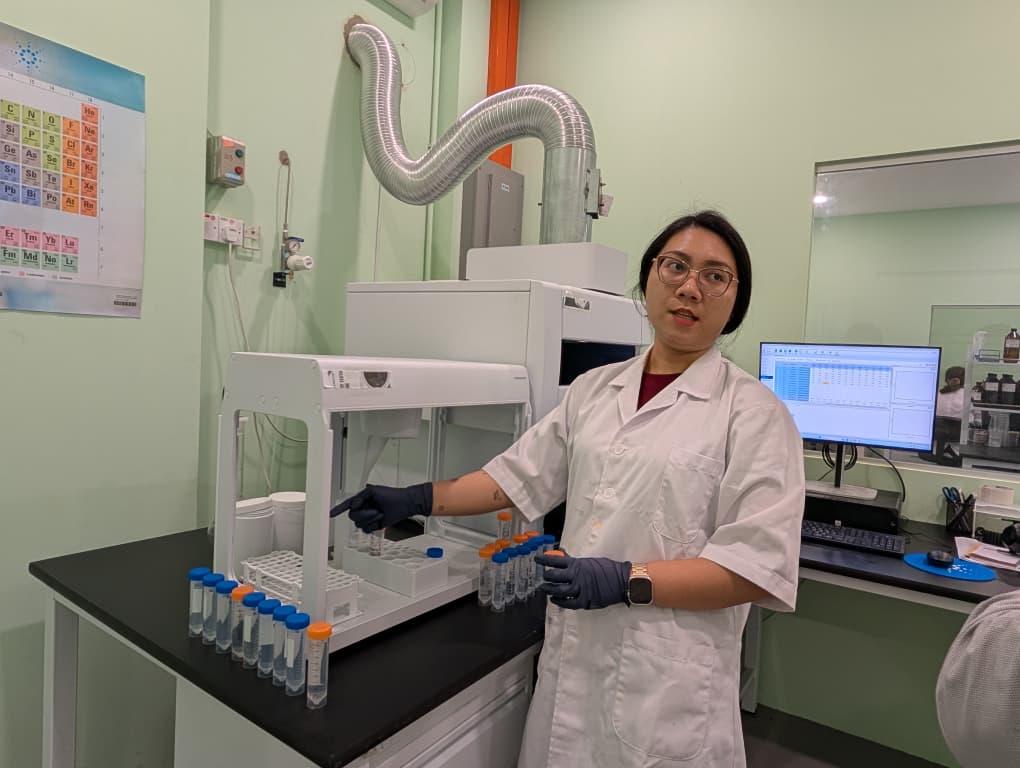
One of ERS’ key strengths is its in-house laboratory, which allows the company to conduct environmental testing internally. The facility supports analysis of marine and river water, groundwater, soil and ambient air, as well as noise and vibration monitoring.
“Not many environmental consultancy firms have their own laboratory capabilities.
“This allows us to provide more integrated services because assessment and analysis can be managed within the same organisation,” Ledionnie said.
A team equipped for Sarawak’s environmental challenges
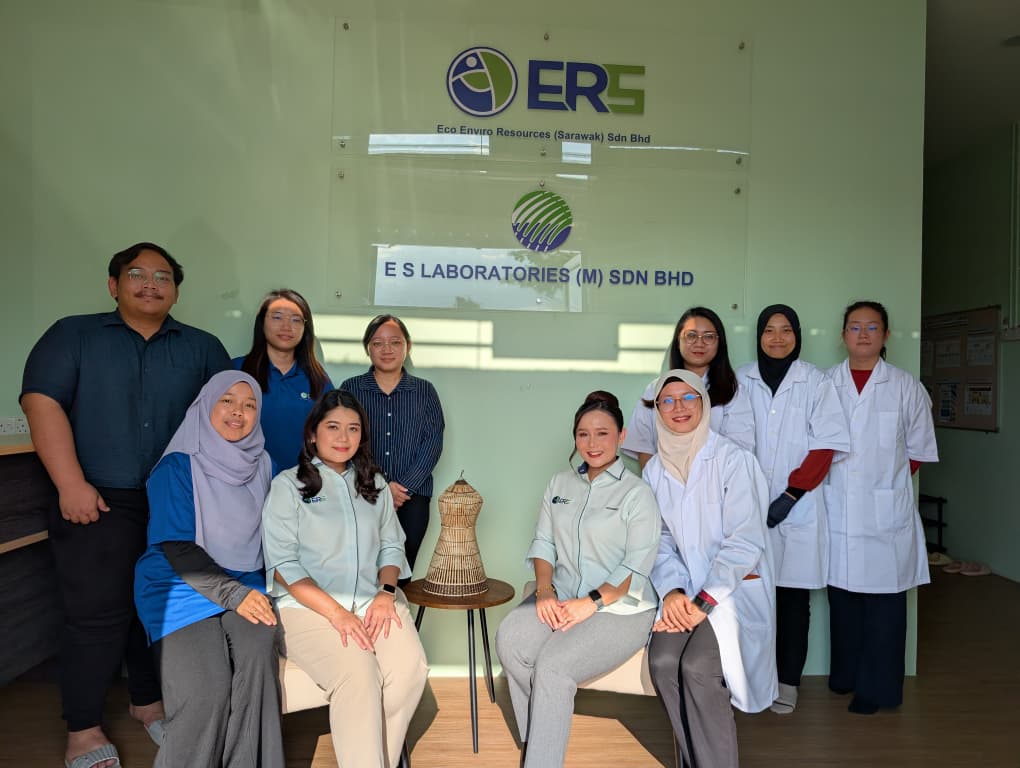
Behind ERS’ operations is a growing team of environmental professionals, technical executives and field personnel responsible for assessments, sampling and technical reports.
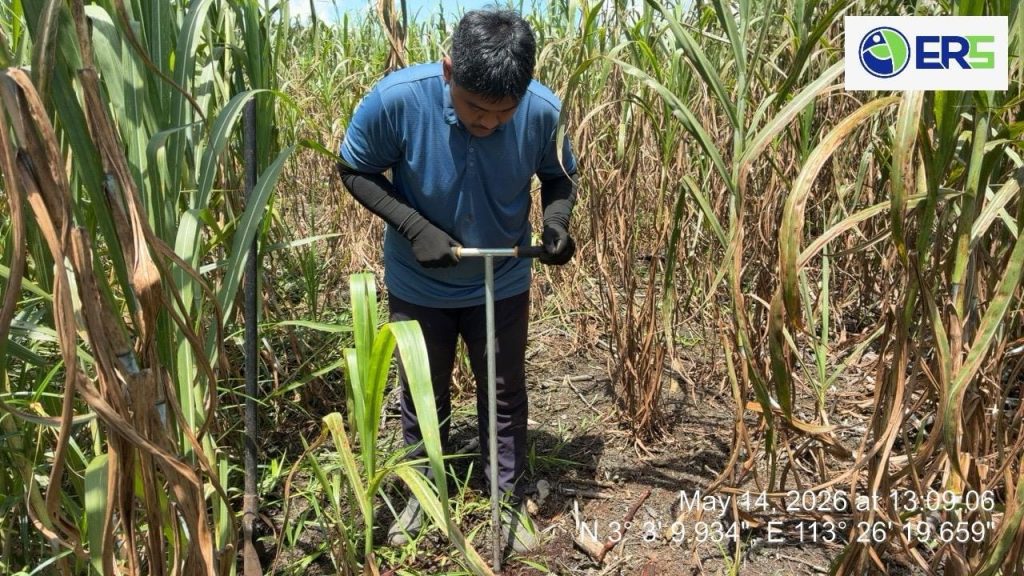
Technical Director Claudia Lulian said environmental executives handle technical documentation and reporting, supported by field technicians who conduct environmental sampling and site assessments.
As demand increases, ERS plans to expand its manpower and establish dedicated teams to cover different regions of Sarawak. Many of its current projects are concentrated in northern Sarawak, from Bintulu to Lawas.
“We plan to expand our field teams so that we can better serve the northern, central and southern regions of the state,” she said.
The expansion is also part of ERS’ commitment to developing local environmental talent.
“It is not just about hiring people. We want to train them, develop their skills and ensure they can grow into experienced environmental professionals,” Claudia said.
Technology supporting accurate environmental decisions
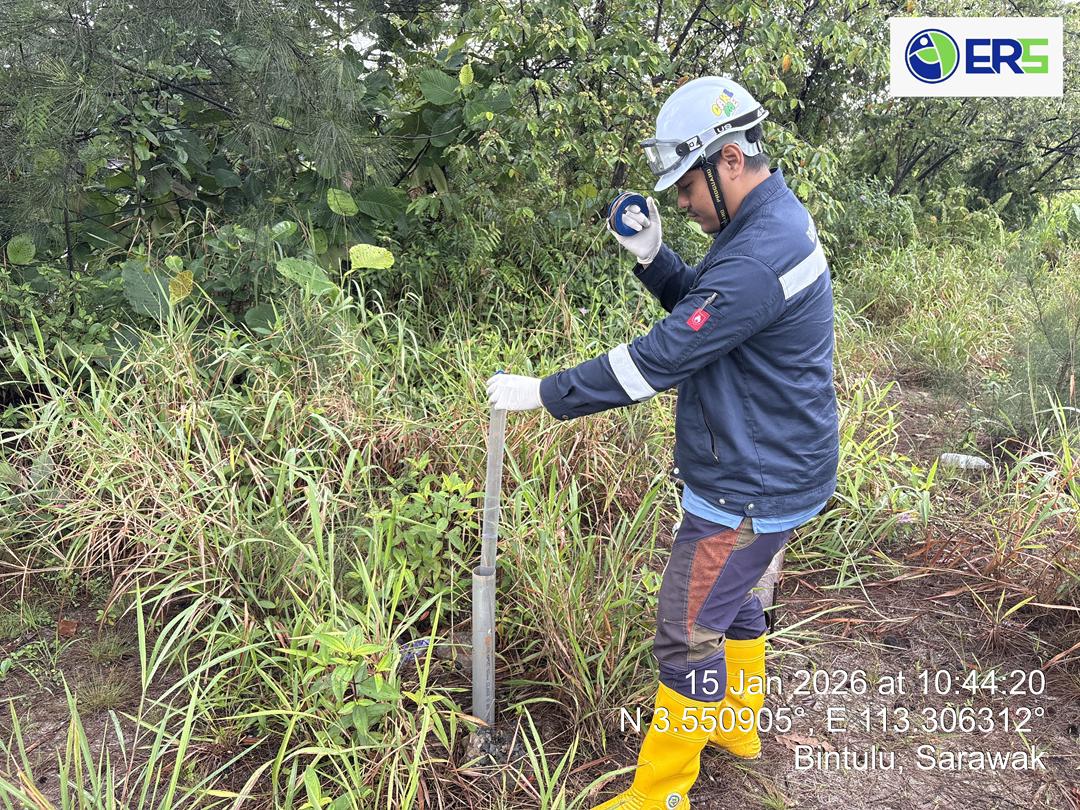
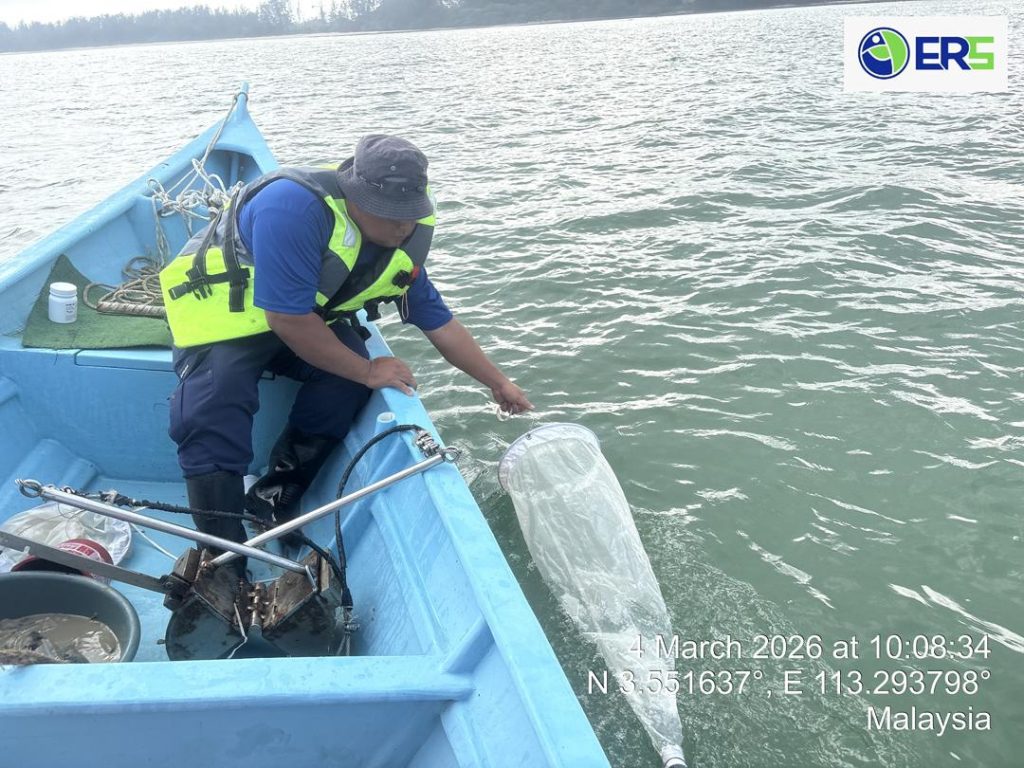
Environmental protection depends heavily on reliable scientific data, and ERS uses specialised laboratory and field equipment to support accurate assessments.
Among the technologies used is Inductively Coupled Plasma (ICP), which enables detailed analysis of elements found in environmental samples. In the field, the company uses multi-parameter probes for water quality monitoring and portable air monitoring equipment to measure indicators such as pH levels, dissolved oxygen and particulate matter.
All monitoring activities are conducted in accordance with established environmental standards and in compliance with the Environmental Quality Act 1974 (Act 127) and the Natural Resources and Environment Ordinance, 1993 (Cap. 84) of Sarawak.
“Different environmental parameters require different sampling methods and durations.
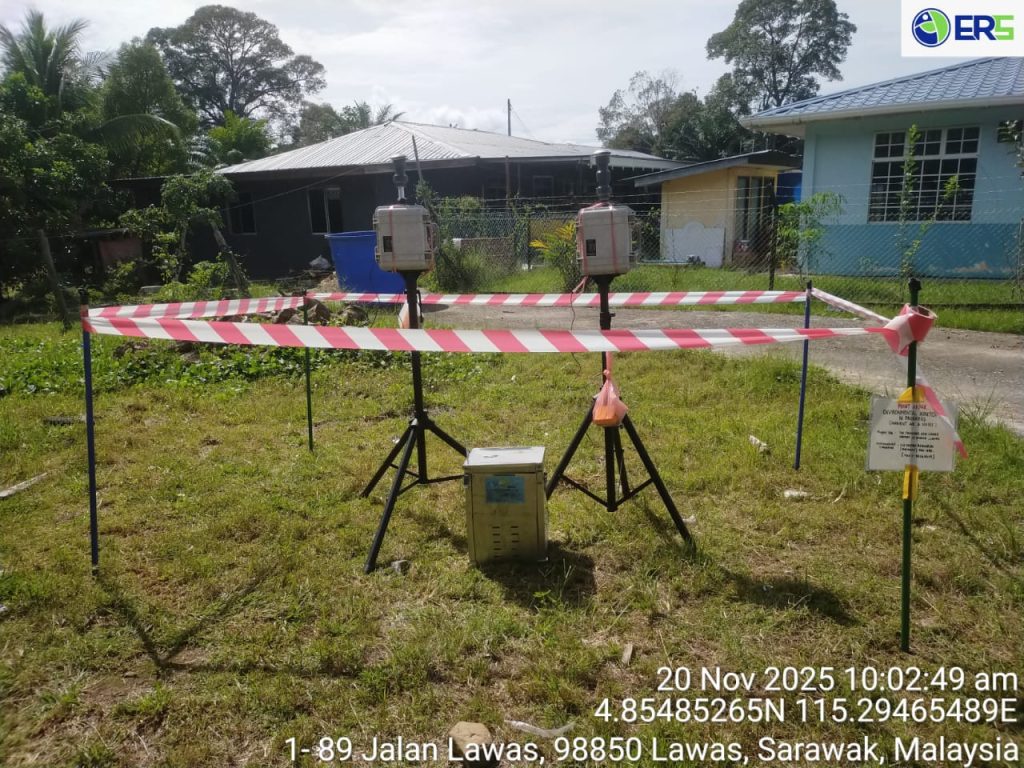
“We have to ensure every sample collected follows the required standards so that the results accurately reflect the actual environmental conditions,” Claudia said.
She stressed that maintaining data integrity was one of the most important responsibilities of environmental consultants.
“The data must represent the actual situation on the ground. Environmental decisions depend on the accuracy and reliability of these assessments,” she said.
Protecting nature before development begins
ERS’ role begins before construction through environmental assessments that identify potential risks and mitigation measures.
Ledionnie explained that baseline studies are conducted to understand existing environmental conditions, including air quality, water quality and ecological sensitivity. The findings then guide how projects should be carried out.
“For example, land clearing should not simply happen all at once.
“Sometimes development needs to be carried out in phases, with proper mitigation measures to reduce environmental impacts,” she said.
She added that every project requires a different approach because no two locations have identical environmental conditions.
“Even if two projects involve roads, the surrounding environment may be completely different.
“The mitigation measures must be tailored according to each project,” she said.
Development must include communities
Environmental planning is not only about protecting ecosystems but also understanding how development affects people.
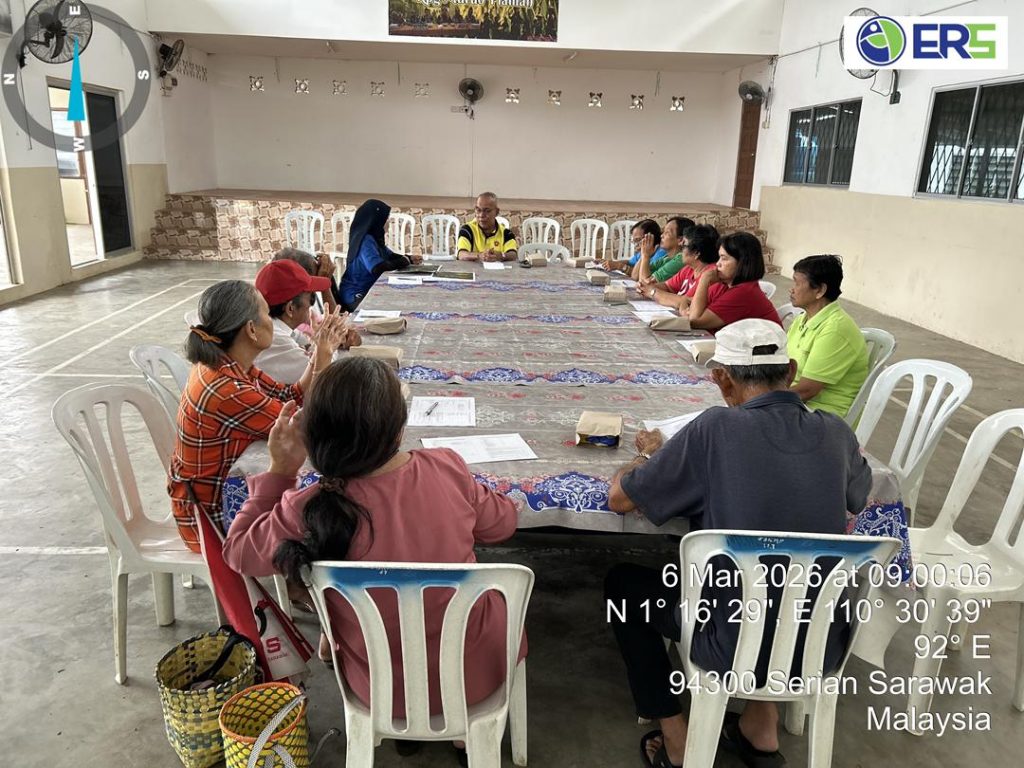
ERS incorporates social considerations through stakeholder engagement and Social Impact Assessments (SIA), allowing issues involving land use, livelihoods, compensation and future impacts to be identified and addressed.
“We need to understand the concerns of communities because the environment also includes the human element.
“We engage with stakeholders to understand how projects may affect their lives and how those impacts can be managed,” Ledionnie said.
While environmental reports provide clear recommendations, ensuring they are implemented on the ground remains a challenge.
Ledionnie said every stakeholder shared responsibility for ensuring mitigation measures prescribed in EIA reports and EMPs were effectively implemented throughout the construction and project development lifecycle.
“The measures are already stated clearly in the reports. The challenge is making sure they are implemented properly,” she said.
Environmental monitoring and audits help ensure compliance, while public feedback can also highlight issues requiring attention.
Growing the next generation of environmental professionals
For Ledionnie, one of the biggest challenges facing the industry is encouraging more young people to consider environmental careers.
She recalled that when she entered the field 20 years ago, environmental studies were not widely recognised as a popular career choice.
“Many people asked me what environmental science was. They thought it was not a meaningful field compared with engineering or other professions.
“But today, the importance of environmental protection is much clearer,” she said.
She hopes more young people will recognise that environmental careers provide an opportunity to contribute directly to society.
“Environmental consultancy is not only for environmental science graduates.
“We need engineers, biologists, chemists and people from different backgrounds because sustainability requires many areas of expertise,” she said.
Claudia echoed the message, stressing that the environment extends far beyond forests and wildlife.
“The environment is the air we breathe, the water we drink and the resources that sustain our lives.
“When we protect the environment, we are ultimately protecting ourselves and future generations,” she said.
Expanding environmental solutions across sarawak
Looking ahead, ERS plans to expand its footprint across Sarawak by strengthening its technical capabilities, upgrading its laboratory facilities and introducing more sustainability-focused services.
Ledionnie said the company’s three- to five-year plan was to bring its expertise closer to industries and communities throughout the state as demand for environmental consultancy continues to grow.
She added that ERS hopes to eventually extend its services beyond Sarawak, including exploring opportunities in Sabah.
The company is also keen to strengthen its Environmental, Social and Governance (ESG) service portfolio to meet growing demand for sustainability solutions among businesses.
“We need to continue offering more variety of services.
“Environmental consultancy is evolving, and sustainability and ESG are becoming important areas that companies need to consider,” Ledionnie said.
Claudia said ERS’ connection with ES Group provides an advantage as the company grows, allowing the Sarawak team to tap into established expertise while developing local capabilities.
“We are here not only to provide services but also to build local expertise.
“Through training and knowledge transfer, we hope Sarawakians can develop the skills needed to sustain this industry in the future,” she said.
With plans to expand its reach, strengthen its workforce and enhance its technical capabilities, ERS aims to play a bigger role in supporting Sarawak’s sustainability journey.
As Sarawak continues its transformation, ERS believes environmental responsibility must remain at the centre of development — ensuring that progress today does not compromise the resources needed by future generations.