Calorie-based self-sufficiency drops to 37 per cent for first decline in five years
TOKYO: Japan’s food self-sufficiency rate on a caloric intake basis reached a record low 37 per cent in the fiscal year that ended March, marking a decline for the first time in five years, Kyodo News reported, citing farm ministry data.
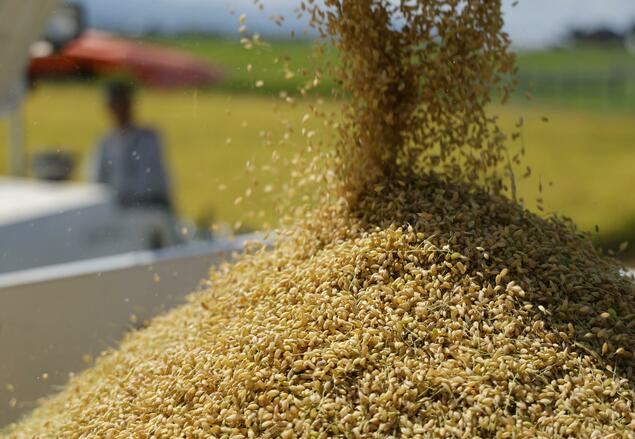
The figure, on par with the lowest since comparable data became available in 1965, comes as soaring prices for rice, a staple largely supplied domestically, reduced overall consumption while increasing the share of imports.
The food self-sufficiency rate refers to the ratio of domestically consumed food supplied by producers in the country. The other times it has fallen to 37 per cent were in fiscal 1993, due to a historically poor rice crop that year; fiscal 2018; and fiscal 2020.
Despite the government setting a target of reaching 45 per cent by fiscal 2030, the rate has instead fallen 1 percentage point after remaining at 38 per cent for the past four years.
Japan’s food self-sufficiency has remained relatively low in terms of either calorie or production value, with countries such as Australia and Canada exceeding 100 per cent, according to the Ministry of Agriculture, Forestry and Fisheries.
By major item on a weight basis, the self-sufficiency rate for rice fell by 2 points from the previous year to 95 per cent, its lowest level in 16 years. Wheat and meat remained unchanged at 16 per cent and 53 per cent, respectively, while seafood rose to 53 per cent and vegetables fell to 77 per cent.
The overall self-sufficiency rate on a production value basis rose 2 points to 66 per cent, lifted by higher prices for rice and other domestically produced foods such as chicken eggs.
The ministry also released the food self-sufficiency rate by prefecture for fiscal 2024. On a calorie basis, Hokkaido took the top spot for the eighth consecutive year at 227 per cent, followed by Akita at 221 per cent and Yamagata at 147 per cent.
The rate stood at 0 per cent for Tokyo and 1 per cent for Osaka Prefecture. – BERNAMA