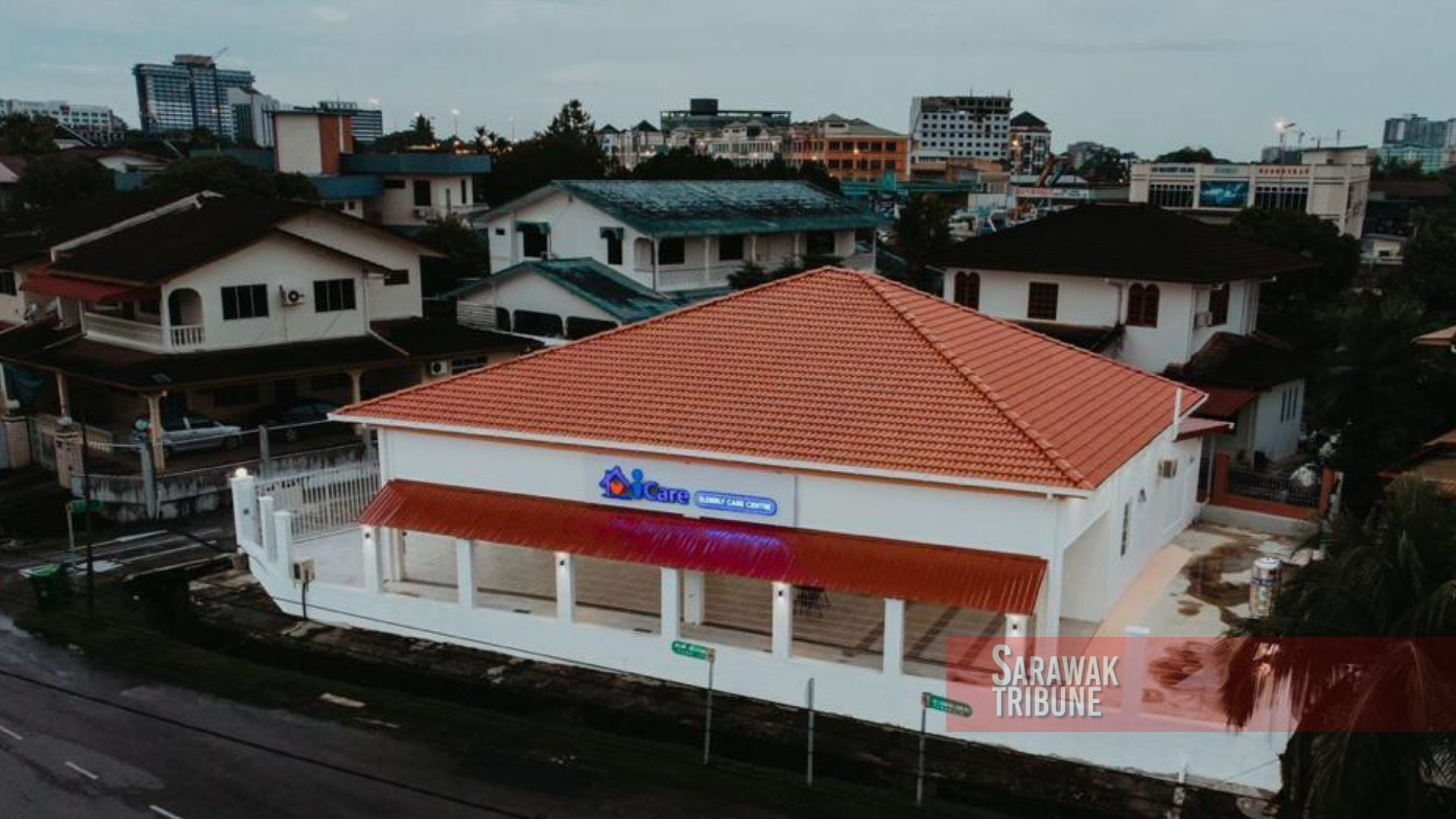
KUCHING: For elderly care centres, the haze means more than closing windows and cancelling outdoor activities – it means keeping a closer watch on every breath, oxygen reading and change in condition among residents.
With unhealthy air quality persisting across several areas of Sarawak, care facilities are tightening precautions to protect elderly residents, particularly those with respiratory and other underlying health conditions.
At iCare Elderly Care Centre in Jalan Jelutong here, Sales and Marketing representative, Khafidhah Aqma, said the facility was keeping its air conditioning running around the clock while windows remained closed to minimise exposure to outdoor haze.
Residents’ oxygen saturation (SpO₂) and body temperature are checked twice in the morning and twice in the evening, with closer monitoring for those more vulnerable to respiratory complications.
“If a resident’s SpO₂ reading falls below 96 per cent, we increase the frequency of monitoring and observe them closely for any changes in their condition,” she told Sarawak Tribune.
Staff also monitors residents for symptoms such as coughing and breathing difficulties, with the centre’s regular doctor contacted when concerns arise.
Khafidhah said in critical situations, family members or next of kin are informed immediately to discuss appropriate action, including ambulance arrangements where necessary.
“We have also temporarily suspended outdoor activities, including a planned water-based activity, while maintaining flexible visitation arrangements so residents can continue receiving family visits,” she said.
She said the centre was trying to balance the need to minimise residents’ exposure to haze with the importance of maintaining family interaction, which remained important to their emotional well-being.
Khafidhah added the centre currently had sufficient oxygen supplies for residents who require them, along with essential personal protective equipment such as masks and gloves.
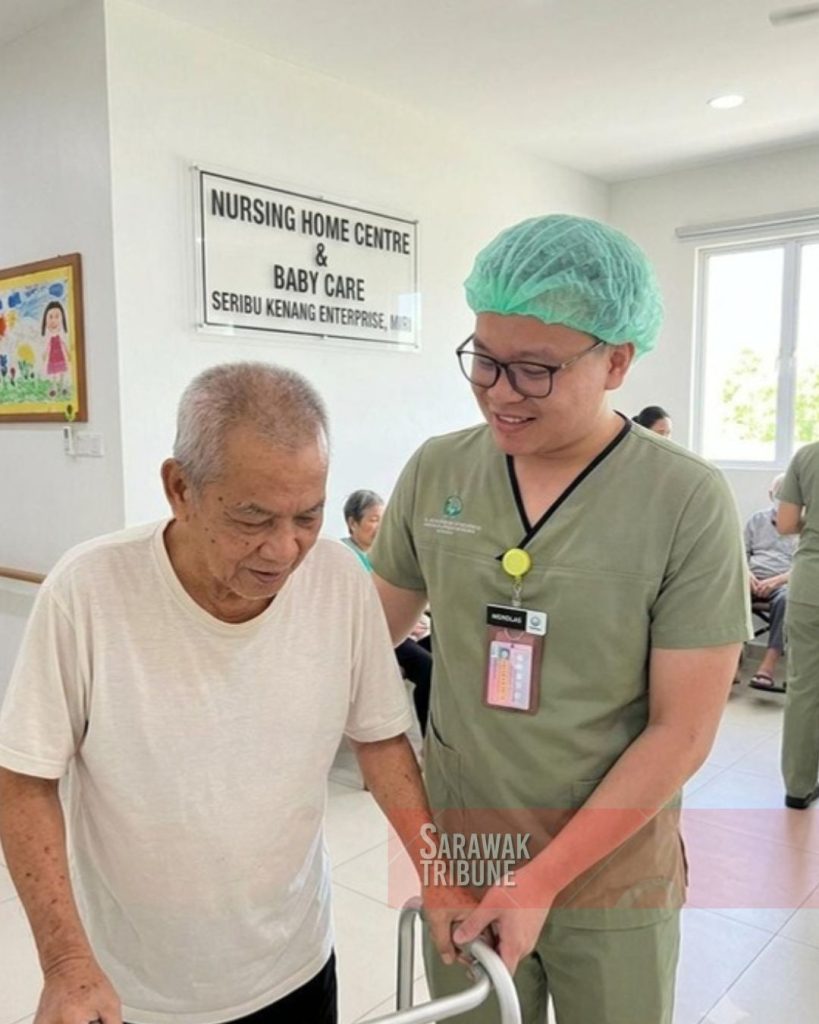
In Miri, Rumah Seribu Kenang has adopted more intensive precautions, particularly for residents considered at higher risk from poor air quality.
Manager Nursing and Caregiver, Nicholas Likong Minggat, said the centre had closed windows and ventilation openings, switched air conditioning to recirculation mode, and installed High-Efficiency Particulate Air (HEPA) filters in common areas and residents’ bedrooms.
The facility also monitors API readings regularly through the Department of Environment’s portal to determine the appropriate response.
For residents with chronic respiratory conditions, heart disease, those who are bedridden and those with weakened immunity, staff have increased monitoring of vital signs, particularly SpO₂ and respiratory rates.
“Nursing staff conduct more frequent rounds to look for signs of breathing difficulties, extreme fatigue or changes in lip or nail colour,” Nicholas said.
The centre also ensures oxygen cylinders, nebulisers and emergency medication such as inhalers are readily accessible.
He said outdoor activities, including morning exercises and gardening therapy, have been cancelled and replaced with lower-intensity indoor activities, while visitors are required to wear N95 or KF94 masks.
Nicholas said staff was also mindful of the emotional impact of prolonged confinement on elderly residents, particularly those with dementia or Alzheimer’s disease.

“Music therapy, board games and video sessions have been introduced to keep residents engaged and reduce boredom and anxiety,” he said.
He said the centre’s main concern was a sudden deterioration in residents’ health requiring emergency treatment, compounded by possible logistical difficulties if hospitals became congested.
While current stocks of N95 masks, basic medicines and air filters were sufficient in the short term, Nicholas said additional supplies could be needed if the haze persisted for more than a month.
He also called for more accurate local API warnings, assistance with medical-grade air filters and N95 masks for senior citizens, as well as updated clinical guidelines for managing high-risk elderly residents during environmental crises.